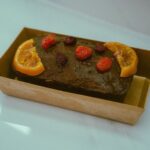
This buttercream tastes like vanilla and butter rather than pure sugar because it keeps the ratio at 1:1 butter to powdered sugar, half the sugar of standard American buttercream.
You will need about an hour to bring the butter to 65–75°F before the 20 minutes of active beating begins, and that slow warm-up is the step that trips most people up.
Too cold and the frosting breaks; too warm and it turns soupy.
Not-Too-Sweet Buttercream Frosting

Standard American buttercream usually piles on twice the sugar to butter, which is why so many cakes taste like nothing but sweetness.
This version keeps the ratio at 1:1 butter to powdered sugar, enough structure to pipe a clean rose but low enough in sugar that vanilla and salt come through. The result is frosting that actually tastes like something.
I reach for this recipe when I need a layer cake or cupcakes to carry real flavor. If the cake itself is already sweet, a less sugary buttercream balances the bite rather than compounding it.
Room temperature butter is the make-or-break detail here.
Buttercream pipes best at 65–75°F, cool enough that it still holds shape but soft enough to whip airy. Too cold and the frosting breaks; too warm and it turns soupy before it ever reaches the cake.
I cut the butter into tablespoon slices and let it sit on the counter for about an hour, which for most kitchens lands right in that range.
A single batch yields enough to frost a two-layer 8-inch cake or 24 cupcakes.
Active time runs about 20 minutes, plus that hour of waiting for butter to soften. The long beating, 12 to 15 minutes on medium speed, is what builds the silky texture.

This tub of buttercream frosting is enough to cover two 8-inch 2-layer cakes, three 9 in. X 13 in. Cakes or 55 cupcakes

A TRUE, BRIGHT WHITE — NO YELLOW TINT — A clean, pure-white buttercream for wedding cakes, all-white designs, and a bright base that keeps your colors true.

Buttercream Icing Mix With Premium Quality - Use real butter for that authentic buttercream taste or In place of butter, use shortening or vegan butter for Dairy Free & Vegan buttercream.
Ingredients

Not too sweet buttercream frosting starts with restraint. Each ingredient pulls weight, and the small list keeps the flavor clean.
- 1 cup unsalted butter (2 sticks), 65–75°F. Room-temperature butter creams properly and carries the richness. Unsalted lets me set the salt level myself; brands vary too much otherwise.
- 1 cup powdered sugar, sifted. This is half what most American buttercreams call for. The frosting still needs sugar for structure and a slight crust, but the drop keeps it from cloying.
- 2–3 tablespoons heavy cream, at least 35% fat. The fat percentage matters; lower-fat dairy will break the emulsion.
- 1 teaspoon good-quality vanilla extract. Madagascar bourbon is my standard, though Mexican vanilla works if you want something darker.
- 1/4 teaspoon fine sea salt. The salt does not make it salty; it makes the sweetness taste like something instead of just sweet.
Milk Street’s version uses far more cream to build an emulsion, and the principle holds here too: forcing water-based cream into fat-based butter creates stability and air.
"A cup of heavy cream may seem like a lot, but it’s the key to this frosting’s supple, cloud-like texture and sweet, but not cloying, flavor."
Even with less cream than Milk Street’s ratio, drizzling it in slowly while beating preserves that same light structure.

ONLY ONE INGREDIENT: 100% Non-GMO Roasted Organic Peanut Powder with no additives. Naked PB contains no added sugar or salt and is GMO, dairy, soy and preservative free.

Includes 1.25 lbs. of Buttermilk powder in Reusable container for easy storage. Enhance your baked goods with added richness with this Premium buttermilk powder for baking! Made in USA.

One 2 pound bag of Powdered Sugar
Method

- Pull the butter out early and let it sit until it hits 65–75°F, cool to the touch but soft enough to dent with a finger. Sift the powdered sugar so you do not end up with tiny lumps in the finished frosting.
- Beat the butter 5–10 minutes until it turns noticeably lighter in color, almost off-white, and the texture looks fluffy rather than waxy. Use the paddle if you want fewer air bubbles, though it will take longer; the whisk is faster but adds more volume.
- Add the powdered sugar and salt in increments, a spoonful at a time, with the mixer on low. Scrape the bowl bottom and sides between additions so no butter hides in the corners.
- Pour in the heavy cream and vanilla slowly while the mixer runs on low speed. This lets the liquid emulsify into the butter instead of splattering or breaking the mixture.
- Turn the speed up and whip 5–15 minutes. The buttercream should look thick, silky, and pale, holding a peak that bends slightly at the tip.
- Judge the consistency and adjust. If it feels stiff or resists spreading, beat in more cream a teaspoon at a time. If it droops or will not hold shape, work in more sifted sugar.


Unwrapped white buttermints are great as decoration or as a party favor to help make your celebration memorable

How to paint with Edible Art Metallic Decorative Paint by Sweet Sticks: Before you start, Tip 1: Shake the bottle well, to ensure the solid and liquid ingredients mix together to form an even consistency to paint with; you can also open the bottle and give the mixture a stir with the end of your paint brush before shaking; shake the bottle each time before you use the paint, including between sessions; if your paint is transparent it means the ingredients haven’t mixed together
Yield and Timing

This batch yields about 2 cups of frosting, enough for 12 cupcakes or a thin layer over a 9-inch two-layer cake. Total active time runs 15 to 25 minutes, mostly beating.
The longer you run the mixer, the more air you work in. A full 15 minutes of whipping produces the fluffiest, lightest texture, though I find 5 minutes perfectly adequate when I want a smoother, denser finish that holds sharper edges.
Either way works; the difference is mostly about what you are frosting. Cupcakes and casual layer cakes benefit from that extra volume, while a cake you plan to smooth-scrape for decorating steadies down with the shorter beat.

One 32 fluid ounce carton of Heavy Whipping Cream, Ultra-Pasteurized

One 16 fluid ounce carton of Heavy Whipping Cream, Ultra-Pasteurized

One 16 oz carton of Organic Valley Ultra Pasteurized Organic Heavy Whipping Cream
Storage

An airtight container in the refrigerator keeps this buttercream good for up to one month. Let it sit out until it reaches room temperature, then re-whip before you spread or pipe.
Cold storage can stress the emulsion. If the frosting separates or curdles after chilling, beat it on medium-high for 2 to 3 minutes.
Still broken? Warm a small portion in the microwave for 10 seconds, beat that back in, and the rest usually smooths out.
This less-sweet formula is slightly less stable in heat than traditional American buttercream. For outdoor summer events, I would add 2 tablespoons shortening or keep the cake chilled until serving time.

READY-TO-USE CONVENIENCE: Save time and effort with pre-made buttercream that’s perfectly smooth and ready to spread, ideal for both quick projects and detailed cake designs.
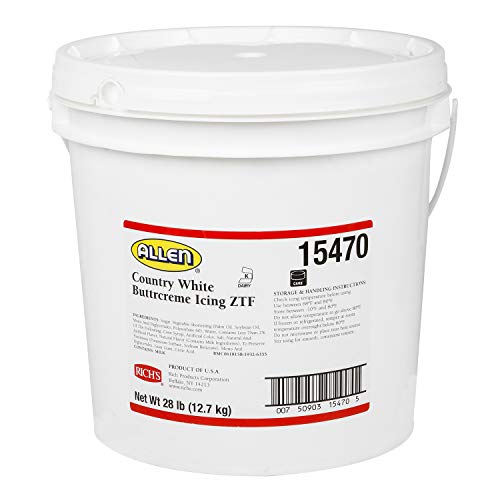
FABULOUS FLAVOR Our sweet, smooth buttercream-style cake frosting is designed for easy application on cookies, cakes and more

EASY – Only water and butter needed to whip up an irresistible frosting
Substitutions and Variations

Vegan butter sticks swap in cleanly for dairy butter, though the finish is slightly less rich.
For a chocolate version, add 1/4 cup cocoa powder sifted with the sugar, or beat in 2 ounces of cooled melted chocolate after the cream; both deepen the flavor but also heighten sweetness perception, so pull back the sugar by 2 tablespoons.
Almond, lemon, or coffee extracts substitute one to one for vanilla. A half vanilla bean, seeds scraped, replaces the extract with more layered flavor if you want to push past the standard.

No Prep Needed – Skip the mixing! This premium buttercream is ready straight from the tub—perfect for busy bakers and last-minute decorating.

PROFESSIONAL SILICONE PASTRY BAGS: Compared with others,ELK's piping bags uses the 60HA elastic silicone, which is the perfect material for the piping tips set. The slight elasticity ensures its reusability, allowing the viscous liquids to flow smoothly inside. It won’t blow out even if you knead the thick batter with it. Its high stretchiness means that all of the squeezing efforts you make gets transferred to bulging sides as it stretches out, instead of forcing the frosting out the bottom.

Bakery-Style Results: Wilton Royal Icing helps you achieve bakery-style results for cake, cupcake, and sugar cookie icing; it also sets in a way that allows cookies to be stacked on top of each other
What Goes Wrong and How to Fix It

Curdled buttercream almost always means the butter was too cold, below 65°F. The mixture looks broken and grainy, but keep beating for 3 to 5 minutes and it usually comes together.
If your kitchen is chilly, warming the bowl slightly with clean hands pressed against the metal helps move things along.
Gritty texture is a different problem.
The sugar was not sifted, and once the frosting is made, there is no fixing it. Sift before you measure next time.
If the batch turns out too soft to hold a piped rosette, 15 minutes in the refrigerator firms the butter enough to re-whip to shape. Two extra tablespoons of sugar will also stiffen it, though that edges the sweetness up slightly.
Too stiff to spread across a cake layer needs the opposite move: cream, one teaspoon at a time, beaten in fully before you judge whether it needs another.
Greasy separation after chilling is normal for this formula.
The butter firms in the cold and the emulsion breaks. A quick re-whip restores the silky texture you started with.

Hoosier Hill Farm Butter Powder is a delicious and versatile ingredient made with real butter churned from sweet cream. A great addition to soups, sauces, and homemade mixes, our Butter Powder is made with 100% hormone-free milk, contains no fillers, and is naturally gluten-free.

RICH & CREAMY PEANUT BUTTER: High-quality peanut butter made with dry roasted peanuts for rich, satisying flavor

Sweet and creamy Buttermilk Powder is the perfect pantry staple for pancakes, biscuits, and recipes calling for buttermilk.
Frequently Asked Questions

Made with good fats from plant-based oils, good source of omega-3 ALA.*

How to paint with Edible Art Metallic Decorative Paint by Sweet Sticks: Before you start, Tip 1: Shake the bottle well, to ensure the solid and liquid ingredients mix together to form an even consistency to paint with; you can also open the bottle and give the mixture a stir with the end of your paint brush before shaking; shake the bottle each time before you use the paint, including between sessions; if your paint is transparent it means the ingredients haven’t mixed together

How do I make buttercream less sweet?
Cut the powdered sugar to a 1:1 ratio with butter.
Most American buttercreams use twice as much sugar as butter, which drowns out every other flavor. At equal parts, the frosting still pipes and crusts, but vanilla and salt actually register on your tongue.
How long can I store buttercream frosting?
Up to one month in an airtight container in the refrigerator. Let it warm to room temperature before you use it, then re-whip to restore the silky texture.
If the emulsion breaks after chilling, beat on medium-high for 2 to 3 minutes; if it still looks separated, warm a small portion in the microwave for 10 seconds and beat that back in.
Can I use vegan butter in buttercream?
Yes, vegan butter sticks substitute cleanly for dairy butter. The finish is slightly less rich, but the method and ratios stay the same.
What does buttercream frosting taste like?
Standard American buttercream tastes mostly of sugar. This less-sweet version tastes of butter, vanilla, and salt first, with sweetness as a supporting note rather than the whole story.
What to use instead of icing sugar for buttercream?
This recipe needs powdered sugar for structure and the slight crust it forms.
There is no direct substitute that keeps the same texture and stability. If you want frosting with no powdered sugar at all, switch to Swiss meringue or ermine frosting instead.
Can you give me a recipe for bakery frosting?
This recipe produces the smooth, pipeable texture associated with bakery frosting.
The 12 to 15 minutes of beating on medium speed builds the silky, light structure, and the lower sugar ratio lets the butter flavor come through the way professional bakers often prefer.