You don’t always need to refrigerate a cookie cake, but it depends on your frosting and kitchen temperature. Simple buttercream lets you store the cake at room temperature for about three days in an airtight container, as long as your kitchen stays below 75°F. If your kitchen runs warmer, or if your frosting contains cream cheese, fresh fruit, or whipped cream, you’ll need to refrigerate to prevent spoilage.
Room temperature storage keeps that soft, chewy texture you want, while cold air can dry out the cookie. Before serving a chilled cake, let it sit out for 20–30 minutes so the frosting softens. Temperature, wrapping, and frosting type all affect your cookie cake’s freshness.
Do Cookie Cakes Need Refrigeration?

How long you can leave a cookie cake out depends on what’s on top. Cookie cakes with simple buttercream can sit at room temperature for about three days in an airtight container. Refrigeration is optional here and depends on your climate and personal preference.
If your frosting includes cream cheese or dairy-heavy buttercreams, use refrigeration. These perishable toppings spoil faster, so chilling them protects your treat and extends shelf life.
Warm kitchens make cooler storage preferable, though cold air dries buttercream slightly. When refrigerating, wrap your cake snugly to block moisture loss and fridge odors. Before serving, let it soften at room temperature for the best texture and creamiest bite.

【Premium Quality】This cookie storage container is made of food-grade plastic, which is sturdy, durable, BPA free and odorless. The transparent design allows for easy identification of contents

The Staple of Your Kitchen: Whether you want to take your lunch to-go, organize for meal-prep, or send some delicious cookies to your loved ones while making sure the food remains fresh along the way, these plastic storage containers are what you need!
How Long Can a Cookie Cake Sit Out?
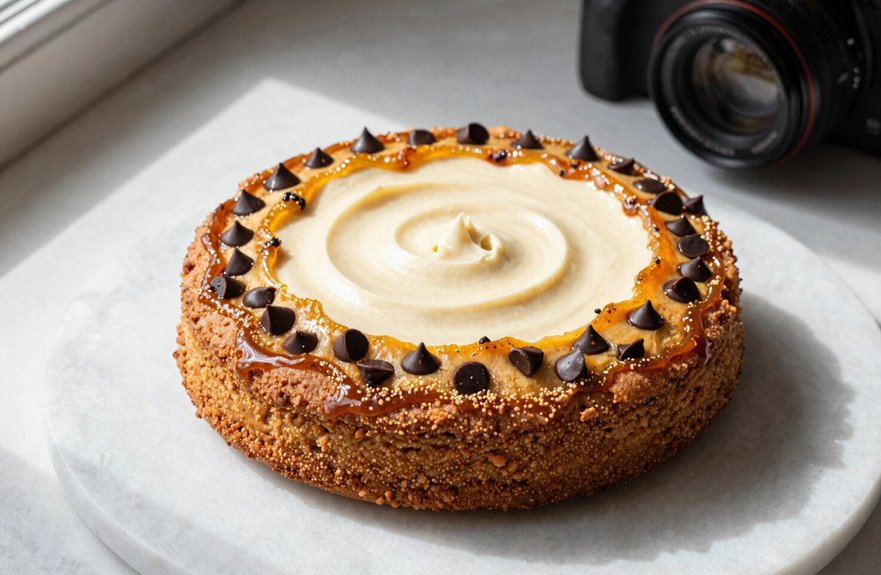
If you’re storing your cookie cake the right way, you can leave it out for up to three days. Keep it in an air-tight container at room temperature, away from sunlight and heat. This keeps your cookie soft and chewy, not dry and crumbly.
You’ll want to watch for signs of spoilage before taking a bite. Sniff for odd smells, check for mold spots, and feel for slimy or rock-hard textures. If anything seems off, toss it out.
Frosting changes storage requirements. If your cookie cake has cream cheese frosting, it can’t sit out as long. The dairy spoils faster at room temperature. Cut portions and rewrap them tightly to extend freshness another day or two.

Essential Cake Decorating Tools: Getting ready to decorate but not sure what tools you need? RFAQK offers a complete set that includes everything you need to start decorating Cakes like a PRO! 48 Numbered Easy to Use icing tips, with E-Book in PDF, a booklet and a complete video course showing the outcome of each Icing Nozzle,2 icing couplers, 20 disposable icing bags (12-inch), 1 Reusable pastry bag (12-inch), Flower nail & lifter, Cleaning brush, Storage box that keeps everything organized
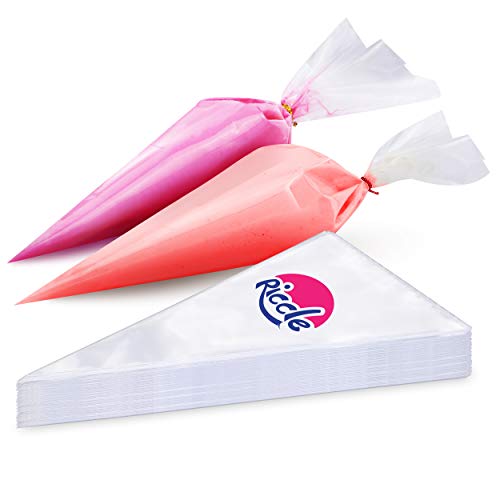
Thick Pastry Bags: Did your previous bags leaked? Are you afraid to squeeze them? Not now! Made of durable, anti-burst, non-slip and food grade plastic that is flexible, strong, reliable and thick enough to bear pressure of squeezing and frosting without any burst or leakage

READY-TO-USE CONVENIENCE: Save time and effort with pre-made buttercream that’s perfectly smooth and ready to spread, ideal for both quick projects and detailed cake designs.
Which Cookie Cake Frostings Need Refrigeration?

What kind of frosting sits on your cookie cake? That answer shapes how you’ll store your treat.
Buttercream frosting keeps well at room temperature for two to three days. You can leave it on the counter, though you’ll want refrigeration for longer storage. Cream cheese frosting requires immediate refrigeration. The dairy content spoils quickly, and you risk foodborne illness if left unrefrigerated.
Dairy-based frosting with milk or cream follows similar rules to buttercream. Room temperature works briefly, but cold storage extends freshness. Watch for perishable fillings like fresh fruit or whipped cream tucked inside layers. These require refrigeration regardless of the outer frosting type.
Before serving, let your chilled frosting warm up. Thirty minutes on the counter restores that soft, spreadable texture.

Eight 14 oz cans of Duncan Hines Whipped Cream Cheese Frosting

One 16 oz can of Duncan Hines Creamy Cream Cheese Frosting

OREO CRÈME FROSTING: Irresistible whipped frosting inspired by the center of an OREO Cookie; Tastes great on gluten free cakes, cupcakes, cookies and more
Is Your Kitchen Too Warm for Room-Temperature Storage?
First, check if your kitchen feels warmer than 70–75°F, since that’s when cookie cakes start drying out faster. If your thermostat reads high or the room feels stuffy, hunt for a cool, shady spot like a pantry away from the stove or a counter out of sunbeams. You can also use a well-insulated container to trap moisture and keep your treat fresh for the full three days.

The bundt cake bag size:16*14 Inches. The clear plastic cake wraps are suitable for 8" Cake and toast bread.

Please note and verify if the dimensions are suitable: The packaging bag has a flat, unfolded size of 8 inches x 3.4 inches. When filled with food, it provides a capacity of 3.4 inches in height x 1.5 inches in width x 5 inches in depth.

Ideal for Baked Goods: MT Products plastic cookie containers (9.5" x 5" x 2.8" measured from the longest sides) are designed with an inside slant to neatly hold cookies, brownies, salad, loaf, hoagie pastries, or other desserts.
Heat Factor Check
During warm months, you’ll want to check your kitchen’s temperature before deciding where to store your cookie cake. The heat factor plays a significant role in keeping your treat safe and tasty.
- Your frosting feels tacky or sticky after sitting out
- Your kitchen thermometer reads above 75°F (24°C)
- You notice soft spots or shine forming on the icing
When heat climbs past 80°F (27°C), your cookie cake faces real trouble. Room temperature storage works only in cooler spaces. Perishable frostings like cream cheese require refrigeration in warm conditions because bacteria grows rapidly. Buttercream holds up better, but 85°F (29°C) causes it to melt. For frosting stability and safe storage, monitor conditions carefully. If your kitchen feels too warm, refrigerate your dessert to prevent spoilage.
Cool Spot Hunt
Where exactly should you stash your cookie cake. You’re hunting for that perfect cool spot in your kitchen, and temperature control directly affects how long it stays fresh.
If your kitchen stays below 75°F, you’ve found your room-temperature sweet spot. Tuck your cookie cake into an airtight container and slide it away from sunny windows for about three days of optimal texture.
When your kitchen creeps above 75°F, heat speeds up drying and your cookie cake loses its soft chew faster. You have two options: find an air-conditioned corner for room-temperature storage, or switch to refrigeration. Warm kitchens require tighter wrapping and airtight containers to lock in moisture. Cookie cake shelf life depends on managing your kitchen’s temperature and taking action quickly.
How to Wrap Cookie Cakes for the Fridge
You’ll want to start with plastic wrap, pressing it snugly against every curve of your cookie cake to lock in moisture. Then you’ll secure that wrap with a tight seal, making sure no air sneaks in around the edges. Finally, you’ll tuck the wrapped cake into an airtight container, giving it double protection against the dry, smelly air inside your fridge.

The Staple of Your Kitchen: Whether you want to take your lunch to-go, organize for meal-prep, or send some delicious cookies to your loved ones while making sure the food remains fresh along the way, these plastic storage containers are what you need!

【Premium Quality】This cookie storage container is made of food-grade plastic, which is sturdy, durable, BPA free and odorless. The transparent design allows for easy identification of contents

Value Pack:The package comes with 100 pcs clear plastic food containers,value quantity enough for daily use.External size:5.2x4.5x2.8 inch/13.3x11.5x7.1cm, Internal size:4.3x4.2x1.4 inch/11x10.6x3.5cm.
Appropriate Wrapping Papers
A snug layer of plastic wrap acts like a cozy blanket for your cookie cake, locking out the dry air that turns soft cookies crunchy. Gather the right materials before you start.
- Plastic wrap hugs your cake tight, stopping moisture loss before it starts.
- Aluminum foil adds a second shield against fridge odors that sneak in.
- An airtight container gives your dessert a safe home inside the cold refrigerator.
If your treat has perishable frosting, like cream cheese, proper wrapping becomes extra important. Wrap it well to keep your cookie cake soft and tasty for everyone to enjoy.
Secure Sealing Methods
Now that you’ve gathered your supplies, it’s time to lock in freshness with the right technique. You’ll want to start with proper cooling. Let your cookie cake sit until it reaches room temperature, about one hour. Warm cake traps condensation, which ruins your texture.
Next, tear off a piece of parchment paper and press it gently against the frosted surface. This step provides moisture retention, keeping your cake soft and chewy. Wrap the entire cake tightly in plastic wrap, covering every edge. Then slide your wrapped cake into an airtight container for double protection against dry fridge air.
Label your container with today’s date and frosting type before refrigeration. You’ll be able to grab a perfectly preserved slice whenever you need it.
Optimal Container Choices
What container works best for keeping your cookie cake fresh? You’ll want an airtight container that fits snugly. When you refrigerate your treat, moisture loss and odor absorption are significant concerns, so wrap it tight in plastic first, then place it inside the container.
- A clear glass or plastic airtight container lets you peek without breaking the seal
- Double-wrap with foil before freezing to block freezer burn and odor absorption
- Freezer-safe bags with squeezed-out air preserve your cake for three months
If you’re headed to the freezer, add that foil layer outside the plastic. Label everything with the date so you know when to enjoy it. Let your cake sit out 20–30 minutes before serving for optimal texture and flavor.
How to Keep Refrigerated Cookie Cakes From Drying Out
Since you’ve decided to refrigerate your cookie cake, you’ll want to take a few simple steps to keep it soft and fresh. First, wrap your cookie cake tightly in plastic wrap. Then place it in an airtight container or resealable bag. This blocks moisture loss that happens when cold air pulls water from your treat.
Use a shallow airtight container rather than a deep bowl. Less condensation forms, so the surface stays softer. If your cookie cake has buttercream frosting, seal those edges well. Exposed frosting dries faster than the rest.
Before you serve, let your cookie cake sit at room temperature for 20–30 minutes. The chill fades, and the texture turns creamy again. For extra softness, warm portions at 300–325°F for 5–10 minutes. The warmth restores moisture to the cake’s interior and improves its texture.

No Prep Needed – Skip the mixing! This premium buttercream is ready straight from the tub—perfect for busy bakers and last-minute decorating.

All In One Kit: 12 Russian flower nozzles, two leaf nozzles, two couplers, 30 disposable pastry bags and one reusable silicone bag; supplies and tools for cake, cupcake and cookie projects

Signs Your Cookie Cake Has Spoiled
Even a well-stored cookie cake won’t last forever, so you’ll want to check for trouble before you take a bite. Cookie cake spoilage shows up in ways you can see, smell, and feel.
- Mold growth appears as fuzzy green, white, or black spots on the surface or edges
- Off smells hit your nose first. Sour or sour-dairy odors mean something’s wrong
- Discoloration and texture changes show as dark patches, slimy surfaces, or unexpected dryness
Your senses are reliable indicators. If you spot any of these warning signs, discard the cake. Perishable fillings spoilage is especially risky; when cream cheese frosting turns bad, the whole cake must be discarded. Consuming spoiled food can cause foodborne illness.


CREAM CHEESE FLAVORED FROSTING: A delicious artificially flavored cream cheese frosting; Goes great with baked goods such as cakes, cupcakes, and cookies

VANILLA FLAVORED FROSTING: A delicious artificially flavored vanilla frosting; Goes great with baked goods such as cakes, cupcakes, and cookies
How to Freeze Cookie Cakes for Longer Storage
You can freeze cookie cakes unfrosted or fully frosted by wrapping them tightly in plastic wrap, then adding a heavy-duty freezer bag or foil for extra protection. When you’re ready to eat, thaw them in the fridge overnight or leave them at room temperature for one to two hours. Keep your freezer at 0°F or lower, and try to use the cake within two to three months for the best taste and texture.

Measures 8inch long by 10inches tall. Strips are not pre-cut and can be cut with a clean scissor to match your cake size. Suitable for a tall 6inch round cake. For larger Cakes, you will need more strips.

BAKE & DECORATE LIKE A PRO: Our Cake Baking Strips are made of Aluminized Cotton to conduct heat evenly, so layers come out moist, even and ready to ice; say goodbye to cracking and doming; level layers mean bakery-grade cakes can be made at home

What You Get: 300pcs (30 Sheets x 10) adorable cake patterns gift wrapping sealing stickers, please choose as the quantities and patterns. They are adorable and come in a variety of colors and quantities. Please note the length of each items for your choice
Freezing Preparation Steps
Wondering how to keep your cookie cake fresh for weeks? You’ll want to freeze it right. First, let your cookie cake cool completely on the counter. Warmth creates ice crystals that ruin texture.
Wrap your treasure tight. You need two layers: plastic wrap first, then aluminum foil, or slide it into an airtight container. If you’ve got a frosted beauty, wait until that buttercream sets hard before wrapping. This stops cracks and keeps moisture locked in.
Follow these steps:
- Cool the cookie cake fully before wrapping
- Label with the date so you track shelf life without guessing
- Wrap frosted cakes extra carefully to guard against freezer burn
Your frozen treat stays tasty for one to three months. Thawing details follow next.
Thawing and Serving
How do you bring your frozen cookie cake back to life. Thawing starts with patience. Move your cookie cake from frozen storage to the refrigerator, and let it rest for several hours or overnight. This slow thawing keeps your dessert moist and prevents sogginess.
Once it’s thawed, set it on your counter. Bring it to room temperature before serving time for the best soft, chewy bite. If you’ve got frosting, check that it’s stable. Cream cheese and buttercream need extra care, and they might soften a bit.
After thawing, you’ve got a small window. Enjoy your cookie cake within one to two days, either at room temperature or with light refrigeration. Label your frozen treats with dates so you’ll always know what’s ready to serve.
Thawing and Serving Frozen Cookie Cakes
When you’re ready to enjoy a frozen cookie cake, patience pays off. Thawing in the refrigerator overnight keeps your frosting smooth and prevents cracking. For faster results, leave the cake at room temperature for 1–2 hours, watching for softness without melting. Once thawed, let it sit at room temperature again before cutting. This restores the perfect chewy bite, especially with buttercream or cream cheese toppings.
- Your knife glides through soft, yielding layers instead of crumbling frozen chunks
- Creamy frosting stays fluffy, not weeping or separating on the plate
- The cookie’s edges give slightly while the center stays moist and tender
Watch out for perishable fillings. Don’t leave those out longer than two hours. Store leftovers in an airtight container, and refrigerate after thawing if you’re not finishing within a day or two.

Quality Materials: Crafted from food-grade plastic, this cookie container is built to last. It's resistant to low temperatures, ensuring it maintains its shape in the freezer and remains odor-free, keeping your food safe


2 Pack - Rectangular plastic food storage containers
Transporting Cookie Cakes in Hot Weather
Once your cookie cake is thawed and ready, getting it where it needs to go in summer heat requires planning. You want your buttercream to stay intact, so grab an insulated cooler and some ice packs before you head out. Chill the cake for 15 minutes first to harden the frosting, then move fast.
Keep your transport time short, and don’t let the cake sit in direct sun. Aim for morning or evening trips when it’s cooler outside. If you’re stopping somewhere, find a cool room below 75°F, like an air-conditioned house or shaded porch. Your insulated cooler blocks heat exposure between stops. For long drives, use a rigid container with a tight lid, and place the cake on a flat, non-slip surface so it doesn’t slide around.

READY-TO-USE CONVENIENCE: Save time and effort with pre-made buttercream that’s perfectly smooth and ready to spread, ideal for both quick projects and detailed cake designs.

Heavy-Duty & Burst-Resistant Design: Our tipless piping bags for royal icing are twice as thick as standard options, delivering superior durability and flexibility. Engineered to withstand intense pressure from stiff frostings and repetitive use without bursting, tearing, or leaking.

16INCH LARGE CAPACITY: Our 16-inch large piping bags can hold a generous amount of cream, eliminating the need for constant refills. Whip up more delectable cakes and cookies in less time!
Fixing Dry Cookie Cake After Refrigeration
If you’ve popped your cookie cake in the fridge and it came out dry and crumbly, you can fix it. Refrigeration often steals moisture from your cake, leaving you with an unwelcome surprise.
First, wrap airtight and let your cookie cake sit out until it reaches room temperature. This alone restores some softness. Next, brush the surface lightly with simple syrup, just a thin layer, then add fresh frosting to lock in moisture. Finally, try warming slices briefly with damp parchment paper between layers; this rehydrates without ruining your decoration.
To avoid this hassle next time, skip long refrigeration or store properly sealed.