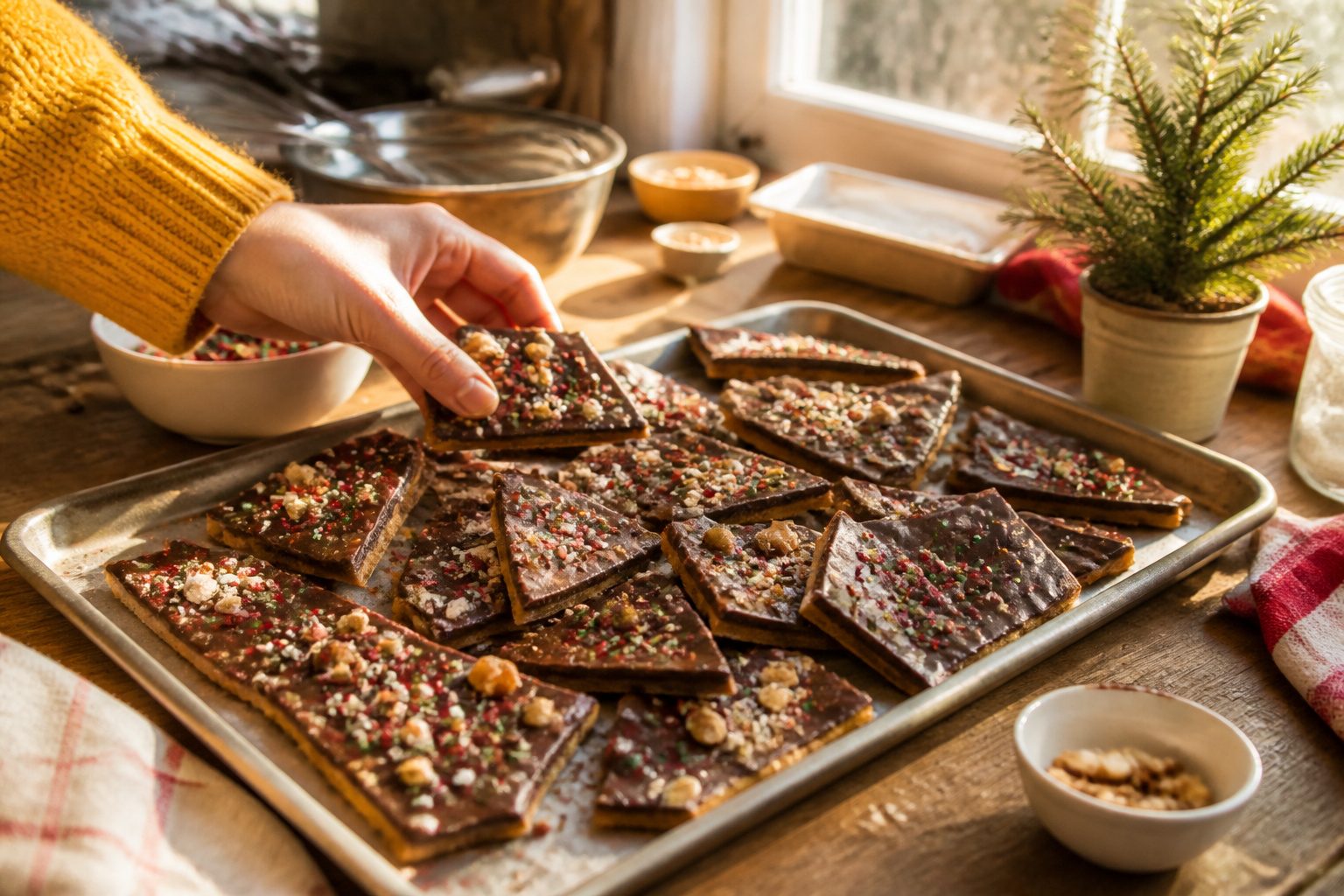
Graham cracker Christmas bark is a layered holiday candy built on a toffee-soaked cracker base that gets topped with chocolate and broken into shards.
The step that separates decent bark from ruined batches is also the hardest one to trust: once your butter and brown sugar mixture starts to boil, you stop stirring entirely and let it go for three minutes uninterrupted.
Touch it during those three minutes and the toffee separates into grainy, oily failure.
1. Toffee Graham Bark
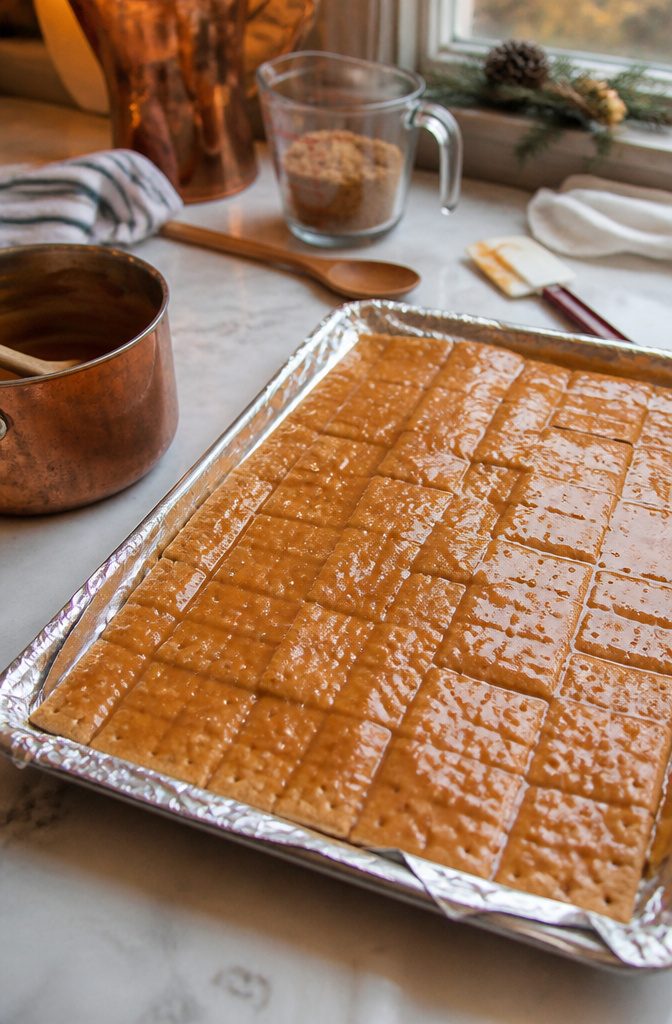
The toffee layer sets this apart from simpler barks, and getting it right means not stirring once the mixture starts to boil.
I melt 1 cup butter with 1 cup packed brown sugar over medium-high heat, stirring only at the start to combine, then leave it alone for exactly 3 minutes while it boils across the whole surface.
Interrupting this stage is what causes separation and a grainy texture, so set the timer and step back.
Arrange graham crackers edge-to-edge on a foil-lined baking sheet, pour the hot toffee over them, and spread to coat evenly.
Bake at 350°F for 5 to 8 minutes until the surface bubbles uniformly and turns deep golden; the sources range up to 15 minutes, but bubbling color is your real cue, not the clock.
Let it cool a few minutes before topping with chocolate, almonds, or cherries, then break once fully set.

One 14.4 ounce box of Amazon Saver Graham Crackers

Add a touch of crushed grapham cracker pieces to your desserts with these perfectly sized, flavorful bits.

The information below is per-pack only
2. Chocolate Bark with Candy Melts

Two cups of chocolate chips or candy melts scattered across the hot baked crackers will soften on their own in the residual warmth of a turned-off oven, about a minute.
Spread them into an even layer once they lose their shape, working quickly before they set.
Milk chocolate melts the smoothest and carries that classic toffee-bar sweetness. Bittersweet or semisweet chocolate reads less sugary, though the higher cocoa percentage means it needs a little longer in the warmth to fully liquefy.
White chocolate, whether real or from candy melts, sets up pale and takes color well from crushed candy cane or holiday sprinkles layered on top.
Candy melts buy you reliability: they are formulated to melt without seizing, and they harden to a snap without blooming.
Real chocolate demands a bit more attention but tastes richer. For this bark, candy melts win on ease if you are packaging pieces as gifts; bittersweet chocolate wins if you are eating them straight from the sheet pan.

Smooth & Easy Melting Wafers – Designed to melt into a smooth consistency that makes it easy to dip, coat, drizzle, mold, and decorate a wide variety of homemade candies, baked goods, and desserts.

SMOOTH & EVEN MELT Crafted for consistent performance, these white melting wafers melt smoothly and evenly, creating a glossy, professional-quality finish perfect for dipping, coating, and molding.

Smooth Melting, Easy Creating: These melting wafers are ideal for dipping, coating, molding, and decorating cookies, pretzels, cake pops, and homemade treats.
3. S’mores Bark

The s’mores version leans hardest on contrast between the snap of the base and the pull of toasted marshmallow.
I build it on a dark chocolate layer, since the slight bitterness keeps the whole thing from turning cloying once the milk chocolate and marshmallows land.
Mini marshmallows work better than full-size ones cut up; they toast more evenly under a broiler or kitchen torch and leave fewer bare spots.
I add the extra graham cracker pieces in two stages. Some go down onto the warm chocolate to anchor them, and the rest sit on top of the marshmallows so they keep their crunch.
Time the toast so the marshmallows blister without melting flat; about 30 seconds under a broiler, watched the whole time, or a slow pass with a torch if you have one.
Without that char, you have melted sugar and no campfire flavor.
The result is messy in the best way. The bark breaks into shards with stretchy marshmallow pulls running through them, and the graham cracker gives you something to bite against.
Cleanup means a soak for the knife, but the sticky layer is worth it for the one variation that actually needs to be eaten the day it’s made. Marshmallow firms up overnight.

Premium Quality: Crafted to deliver a rich, creamy flavor and a velvety smooth texture for superior tasting treats.

Rich, delicious Hoosier Hill Farm Chocolate Melting wafers are easy to use: simply microwave and dip or drizzle!

Trending Application: Perfect for Dubai Chocolate Bars - Create viral chocolate treats with smooth, easy-melting wafers. Milk chocolate melts evenly and quickly with no tempering required. Ideal for chocolate melts, these wafers are perfect for creating glossy coatings, silky ganache, or luxurious chocolate fondue. Craft the viral Dubai Chocolate Bar at home with ease.
4. Halloween Bark
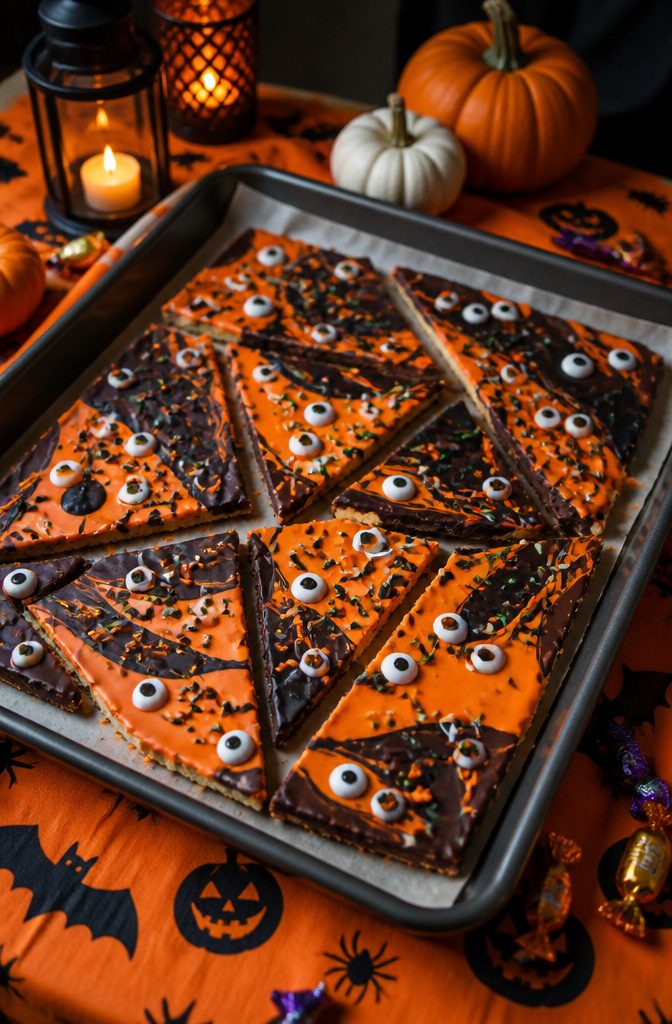
The same graham cracker base works for Halloween if you swap the color palette.
Orange and black candy melts cover the crackers the same way white or dark chocolate does at Christmas; keep the melts thin enough that the shell shatters instead of bending.
Once the coating is wet, Halloween sprinkles and candy eyes press in easily, though the eyes will want to slide if the layer underneath is too hot or too thick.
I find the eyes read best in clusters of three or five rather than scattered evenly, which looks accidental.
The whole sheet sets up in about the same time as the holiday version, and the cleanup is identical, broken pieces and all.
The only real trade-off is that black candy melt tastes more like wax than cocoa; I use it sparingly, in stripes or a drizzle, and let the orange carry most of the weight.

One 10 oz bag of Jet-Puffed Mini Marshmallows

Includes .5 lbs. of mini dehydrated marshmallows in Reusable container for easy storage. These dehydrated marshmallow bits come in a delicious vanilla flavor. Perfect Dehydrated marshmallow bits For Cereal, Cocoa, Ice Cream, Coffee toppings, hot chocolate marshmallows and Desserts

S'more Marshmallows with a Square Shape, Sweet & Fluffy, Fat-Free, Perfect for S'mores, Treats & Hot Chocolate
5. Variations with Nuts
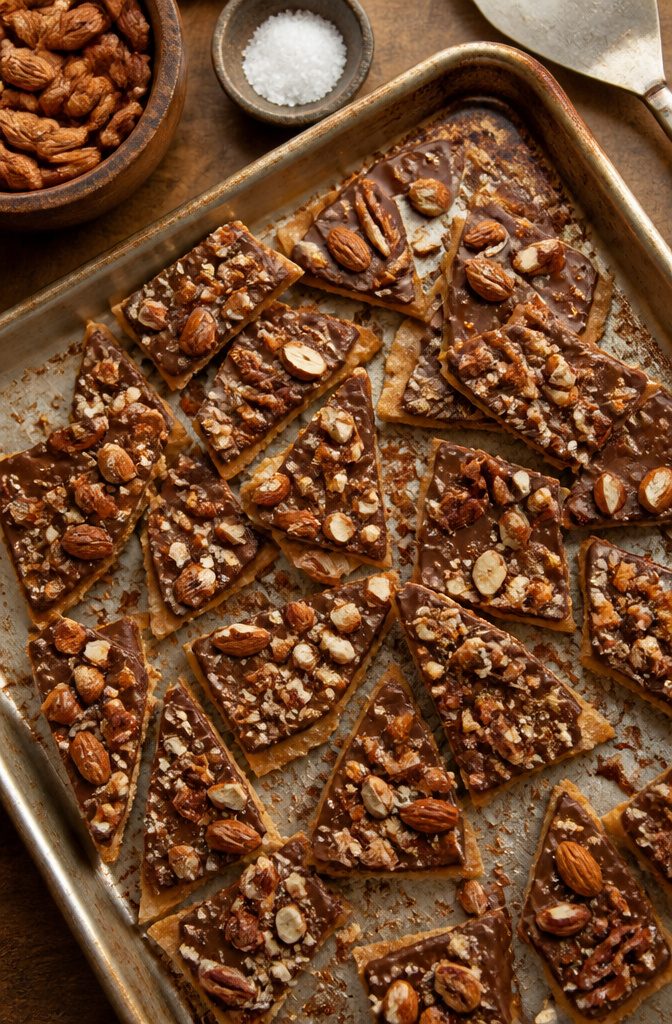
Almonds and pecans are the two nuts that actually belong on graham cracker Christmas bark, and the choice between them comes down to how much work you want to do before the chocolate even hits the crackers.
Slivered almonds land cleanly on top, giving you thin crunch without fighting the bite of the graham base. Chopped pecans are heavier and sweeter, which can overwhelm the caramel if you pile them on too thick.
Either way, toasting the nuts first is the step too many recipes skip. Five minutes in a dry skillet or a 350-degree oven deepens their flavor from background noise to something that carries the whole piece.
One recipe stirs pecans straight into the hot butter and brown sugar, which toasts them as the caramel cooks and saves a pan.
That approach works, but it also coats the nuts in sugar and softens their edges. If you want real crunch, toast them separately and scatter them on after the chocolate layer while it is still warm enough to grab.
The Kitchn’s team tested their way through cracker and topping swaps, and their core finding applies here:
we started with a simple saltine toffee recipe, then played around with different crackers, flavors, and toppings
This means your graham cracker bark is already a variation, so treat the nuts as another layer of that same experiment. Almonds if you want the graham to stay central; pecans if you are building something closer to praline.

[100% FOOD-GRADE SILICONE] - Our Christmas chocolate molds silicone are whipped up with high-quality food-grade silicone. So, not only do your chocolates come out tasting fantastic, but you've also got that extra assurance that they're made with your health in mind. No weird stuff – just pure, worry-free chocolate-making goodness.

Perfect for Christmas Creations: Ideal for making festive gummies, candies, chocolates, chocolate-covered Oreo decorations, cupcake toppers, and other delightful Christmas treats Add a joyful holiday touch to every dessert

4 Cavities per Mold Each cavity is approx 2.5" x 4" inches, entire mold is 8 x 9
6. Variations with Dried Fruits

Dried tart cherries are the first fruit I reach for when I want to cut through the sweetness of a graham cracker bark base.
Their chew gives the brittle toffee something to work against, and the sour edge keeps you from tasting only sugar.
Other dried fruits work too, though some need more prep than others. Apricots, cranberries, and figs all bring that same tart-sweet tension, but chop any piece larger than a blueberry before you scatter it.
Whole dried cherries or fig halves will clump in one bite and leave the next bare, and nobody wants to excavate a slab with a knife just to get even coverage.
Smaller pieces also let the fruit distribute through the chocolate or toffee layer rather than sitting on top like a trail mix dump.
I tend toward unsweetened or lightly sweetened fruit here, since the bark itself carries plenty of sugar already. The exception is sweetened dried cranberries, which hold their shape better and don’t turn leathery in the fridge.

The information below is per-pack only

Premium Graham Cracker Crumbs for Baking Excellence: Crafted for both professional kitchens and home bakers, More Than A Crumb graham cracker crumbs offer a rich, toasted flavor and fine texture that’s perfect for creating smooth, sturdy graham cracker crusts, cheesecake bases, and layered desserts. A must-have baking ingredient for anyone who loves quality and consistency.

DELIGHTFUL CRUNCH & RICH FLAVOR: Our Graham Cookie Gems feature a traditional graham flavor enriched with honey and molasses. These bite-sized treats offer a crisp texture and a nostalgic sweetness that makes every handful a moment of joy.
Ingredients and Substitutions

Every graham cracker bark starts with the same four components. Here is what goes on your grocery list, plus the swaps that actually work.
- Graham cracker sheets are the classic base. Most recipes call for full perforated sheets, about 12 for a standard batch. Ritz or Club crackers step in cleanly if you want something saltier and more buttery; saltines work too, though they are thinner and soak up the toffee faster.
- Unsalted butter and brown sugar form the toffee layer. Use one cup of each, packed firmly. The water and vanilla extract in some recipes are optional helpers, but the butter and sugar are non-negotiable.
- Chocolate chips finish the bark. Two cups of semi-sweet, milk, or bittersweet chips melt right onto the hot toffee. I would skip white chocolate here; it sets softer and the bark loses its snap.
- Salt is worth adding even if your crackers are already salty. A pinch in the toffee balances the sweetness without reading as savory.
Gluten-free crackers from brands like Schär hold up fine, and a half-and-half mix of graham crackers with pretzels gives you a salty crunch that plain graham lacks.

SMOOTH & SILKY MELT These milk chocolate melting wafers melt evenly and consistently, creating a glossy, professional finish perfect for dipping, coating, and molding.


Oil Based Food Coloring for Chocolate: Professional chocolate coloring kit for chocolate and candy melts. 16 colors oil food color set ,specially designed for use with high-fat contents, these colors can soluble well with butter, fat and oil substances, perfect choice for coloring chocolates and candy melts. Elevate your chocolate creations with vibrant and rich colors. Shake well before use for the best results
Baking Tips
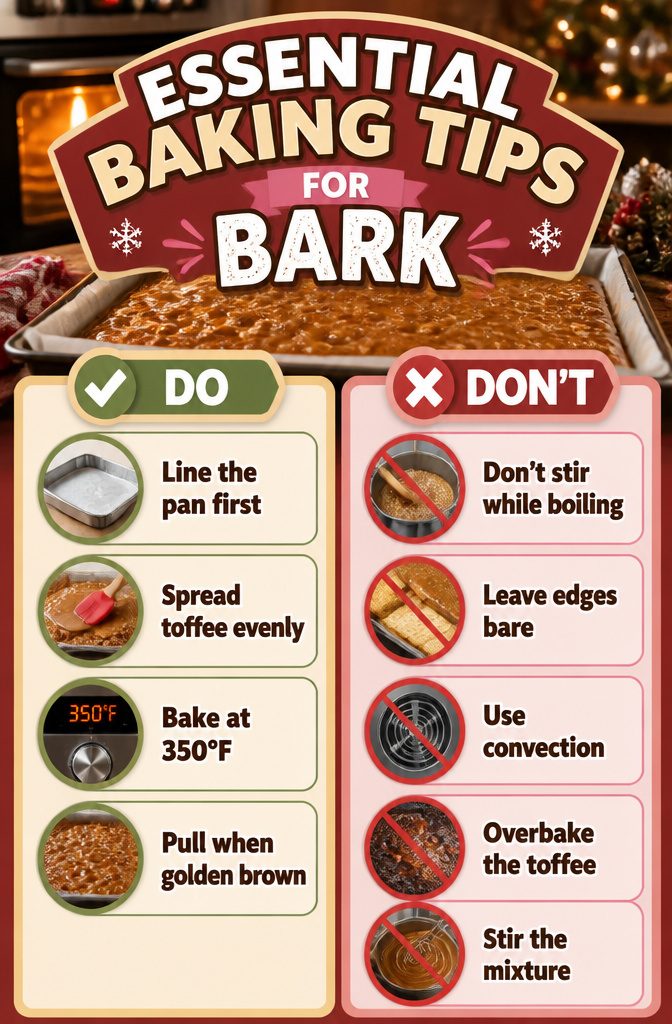
Oven temperature is where most versions settle: 350°F, no convection needed. The toffee layer needs that steady, moderate heat to bubble without scorching.
A few technique points keep the bake from going sideways:
- Line the pan with parchment or foil first. Cleanup afterward is the difference between a two-minute rinse and twenty minutes of chisel work on caramelized sugar.
- Spread the hot toffee all the way to the edges with a spatula. Bare crackers at the perimeter stay dry and separate; coated ones become actual bark.
- Do not stir the mixture once it boils. Stirring while the sugar cooks invites graininess or separation. Let it sit, bubble, and darken on its own.
- The bake window runs 5 to 15 minutes. Pull it when the surface is bubbling evenly and the color shifts to deep golden brown. Lighter than that and the toffee stays chewy; darker and the edge tastes burnt.

Delicious Merckens Milk chocolate is developed specifically for use in candy making.

SMOOTH MILK CHOCOLATE FLAVOR, MELTS EVERY TIME: Creamy milk-chocolate-flavored confectionery coating wafers that melt smooth and set with a firm, glossy finish. No tempering, no seizing, no chocolate thermometer. Made with vegetable oil rather than cocoa butter, which is exactly why it behaves so predictably for dipping and drizzling.

Effortless Melting: Our Milk Chocolate Melting Wafers 2LB ensure seamless melting. Ideal for chocolate fountain machines, they pair perfectly with white chocolate chips and dark chocolate bars, delivering a smooth, rich finish.
Storage and Freezing
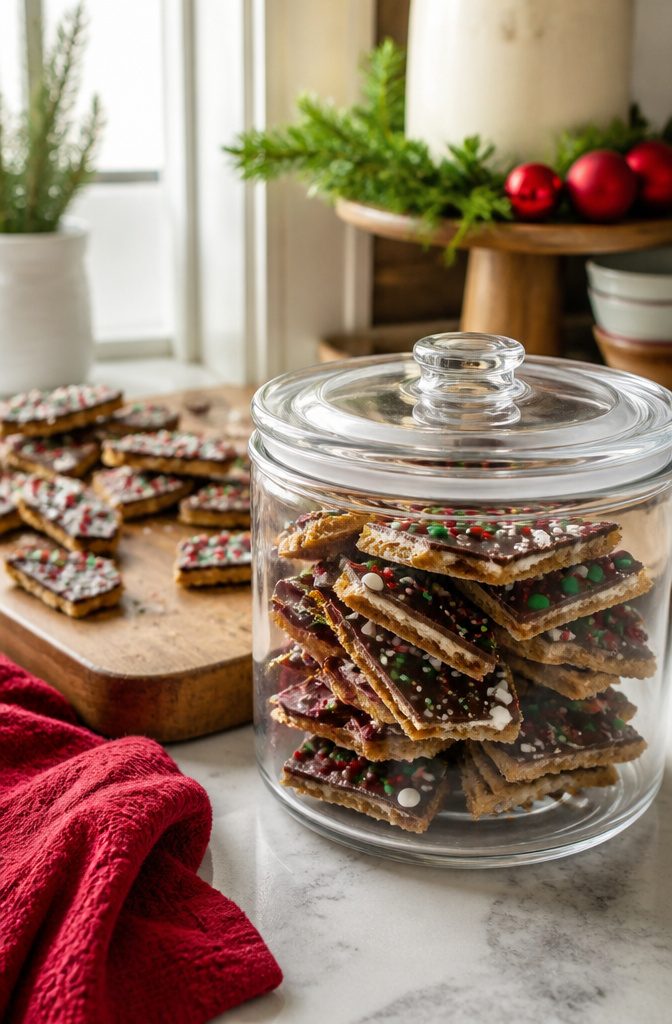
An airtight container kept at room temperature holds the bark for up to two weeks, or the refrigerator buys you the same window with a firmer set.
I lean toward the fridge if my kitchen runs warm, since the chocolate stays snappy and the layers don’t soften against each other. Room temperature works fine too, around 70°F, so long as the container sits out of direct sun.
Freezing stretches that timeline considerably. Lay the broken pieces in a single layer with space between them, freeze for an hour until hard, then seal them in a container and store for up to three months.
The key through all of this is keeping moisture out. The bark stays crisp as long as it stays dry; any humidity in the container turns the graham layer chewy within a day or two.

The information below is per-pack only

Made without artificial ingredients

Mini Size, Big Fluff: Tiny, soft vanilla marshmallows that melt quickly. They're just right for hot drinks, baking, and topping desserts, with a light, airy texture in every bite.
Serving and Timing
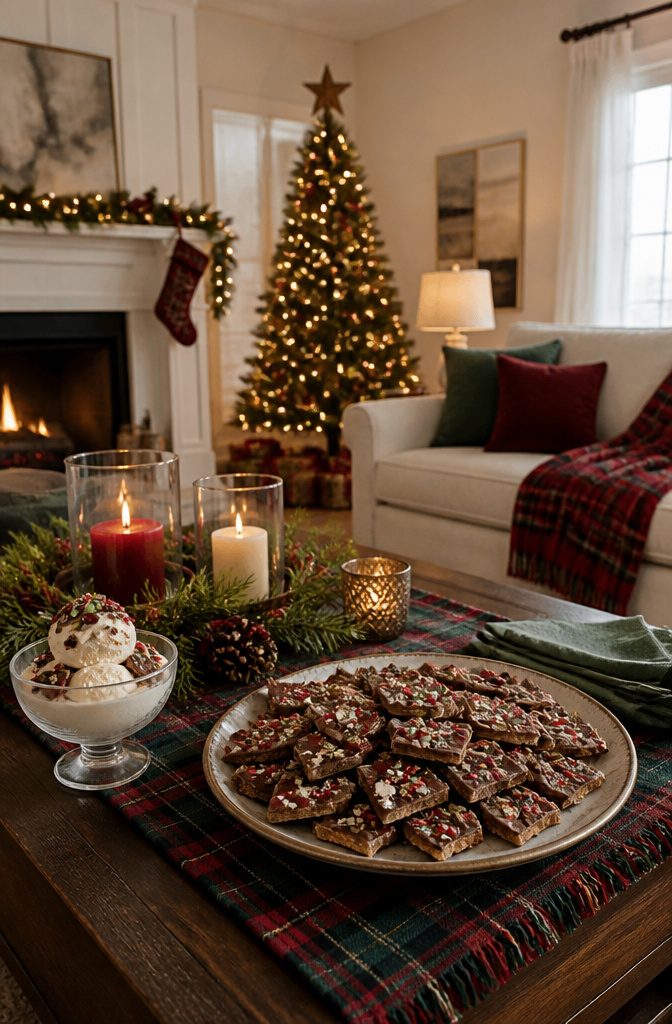
Most recipes list this as 30 minutes from start to finish, though that assumes the chocolate sets quickly in the refrigerator. The graham crackers themselves need no baking, so the clock is really about melting and layering.
I like this best as a holiday treat set out on a cookie tray or packed into waxed paper as an edible gift.
One commenter mentioned crumbling pieces over vanilla ice cream, which sounds rich enough that I would save it for a plated dessert rather than the gift batch.
Let the bark cool completely before you break it.
Warm chocolate will smudge and the layers will slide. Refrigerate for 15 minutes to set the base layer, but do the final break after the whole slab has fully hardened at room temperature or in the fridge.
Rushing this costs you the clean, jagged edges that make bark look like bark instead of a chocolate accident.

CHRISTMAS SILICONE MOLD:You will get 1pcs of red snowman silicone mold,The dimensions of the Christmas molds is 12.8×8.7×0.63inch,where The candy is:1.77×1.18inch,

7 Classic Christmas Shapes for Holiday Cheer: This christmas chocolate mold comes with 7 iconic Christmas designs—Santa Claus, gift boxes, jingle bells, Christmas trees, gingerbread men, warm gloves, and snowflakes. Each shape features clear, cute details that bring instant festive vibes, making your homemade creations look like tiny, charming holiday decorations.

Christmas Fondant Molds Sets: You will get 3pcs lovely pink Christmas silicone fondant molds in different sizes, including snowflakes, Xmas trees, gingerbread men to provide exquisite decoration for your cakes and snacks
Frequently Asked Questions
How long does it take to make graham cracker Christmas bark?
Most recipes list 30 minutes from start to finish, though that assumes the chocolate sets quickly in the refrigerator.
The graham crackers themselves need no baking, so the clock is really about melting and layering. Let the bark cool completely before you break it so the layers stay clean and the edges stay jagged.
What can I use instead of graham crackers?
Ritz or Club crackers substitute cleanly if you want something saltier and more buttery.
Saltines work too, though they are thinner and soak up the toffee faster. Gluten-free crackers from brands like Schär hold up fine, and a half-and-half mix of graham crackers with pretzels gives you a salty crunch.
Can I freeze graham cracker bark?
Yes. Lay the broken pieces in a single layer with space between them, freeze for an hour until hard, then seal them in a container and store for up to three months.
Keep moisture out; any humidity in the container turns the graham layer chewy within a day or two.