
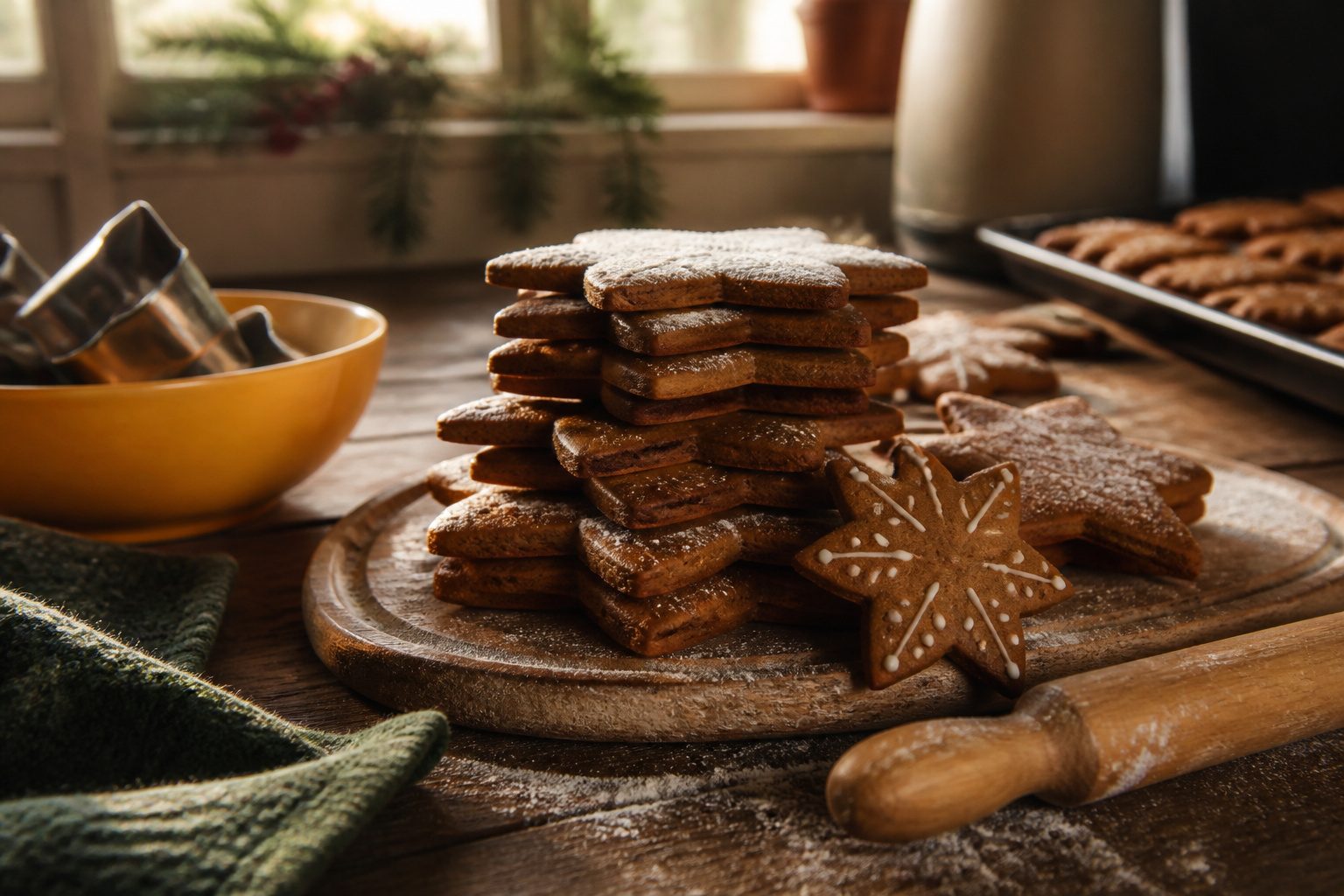
These gingerbread cookies carry a near-bitter molasses depth and a forward ginger heat that separates them from the usual muddy holiday-spice blend.
What makes this version worth your time is the fat choice: shortening keeps them soft and chewy for days on a party plate, while butter gives the classic snap.
The dough needs a two-hour chill, then rolls to a quarter inch for clean cutter edges. Grandma’s unsulphured molasses is the brand that delivers the backbone without tipping into bitterness.
What These Cookies Are

Gingerbread cookies at Christmas stand apart from the rest of the holiday tray for three reasons, and the first is molasses depth. An unsulphured dark molasses like Grandma’s brand gives that near-bitter backbone without drowning out the spice.
The second is the spice balance itself: ginger forward, with cinnamon and clove in supporting roles rather than a muddy blend where no single note lands.
Third is the texture decision that shapes every other choice in the recipe, whether you want snap or chew.
The dough here uses standard grocery-store ingredients and comes together in two bowls, one for wet and one for dry.
It needs about 2 hours of chill time before rolling, which firms the butter and lets the flour hydrate so your shapes hold clean edges.
At a 3-inch cutter, this batch yields 54 cookies, enough for a platter and a few to set aside for decorating later.

One 12 fl oz jar of Grandma's Robust Molasses

RICH, AUTHENTIC MOLASSES FLAVOR – Golden Barrel Supreme Baking Molasses delivers a deep, robust Barbados-style flavor with the perfect balance of sweetness and richness for baking, cooking, and candy making.
RICH IN NATURAL NUTRIENTS: Each serving provides iron to support energy, potassium to promote heart health, and calcium to help strengthen bones delivering nutrition along with every spoonful of molasses.
Ingredients
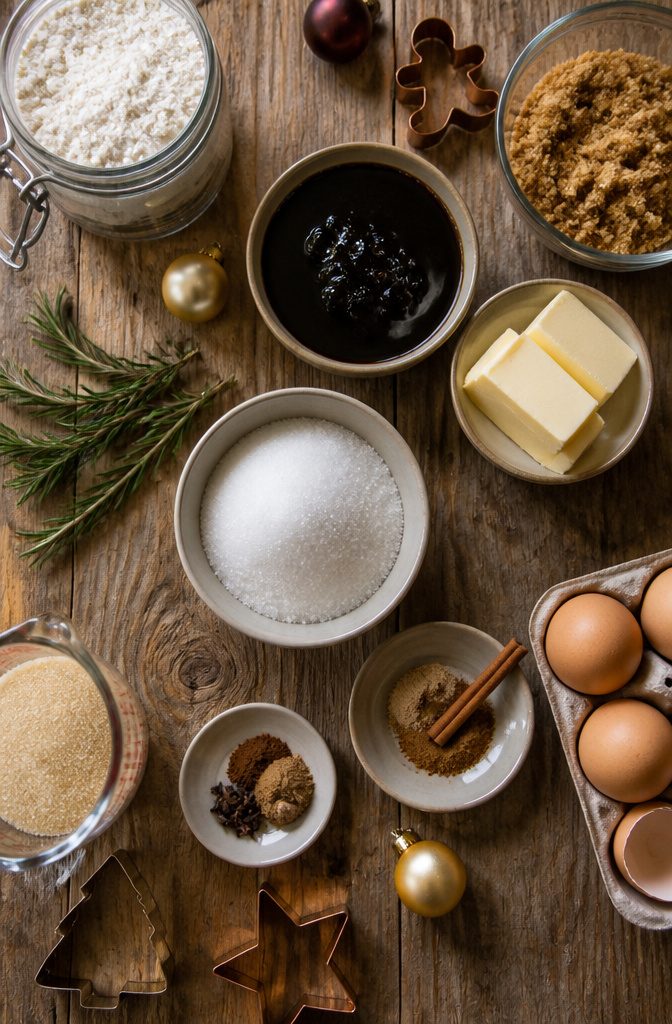
The ingredient list for these gingerbread cookies christmas bakes is straightforward pantry fare, with one decision that shapes the whole batch.
- 5¼ cups (656 g) all-purpose flour, plus more for rolling
- 1 cup mild-flavored (light) molasses; Grandma’s is the brand readers ask about most, and it delivers clean sweetness without the bitterness of darker grades
- 11 tablespoons unsalted butter, room temperature
- ⅔ cup vegetable shortening
- 1 cup (200 g) granulated sugar
- 1 large egg
- 1 teaspoon baking soda dissolved in 2 teaspoons water
- ¾ teaspoon Diamond Crystal or ½ teaspoon Morton kosher salt
- 1 tablespoon ground cinnamon
- 2 teaspoons ground ginger
- 1½ teaspoons ground cloves
The shortening is what separates the classic crisp cookie from the softer variation; swap it for butter and the texture shifts closer to shortbread.
For the icing:
- 2 cups powdered sugar
- 2–3 tablespoons milk
Skip the lemon zest and buttermilk from some older recipes unless you want a tangier, more complex profile that reads less traditional on the holiday plate.

GINGER? OH SNAP: Gingerbread flavor with a Death Wish spine. Natural flavors of ginger, cinnamon, clove, molasses and even more ginger over bold, medium roast arabica and robusta ground coffee. Strong enough to wake the dead, or at least the dead inside.

Ground Cloves - This premium organic ground clove offers a bold, aromatic, and slightly sweet flavor with a warm, spicy kick, perfect for both sweet and savory dishes.

One 2.75 ounce bottle of ground Ginger
Make the Dough
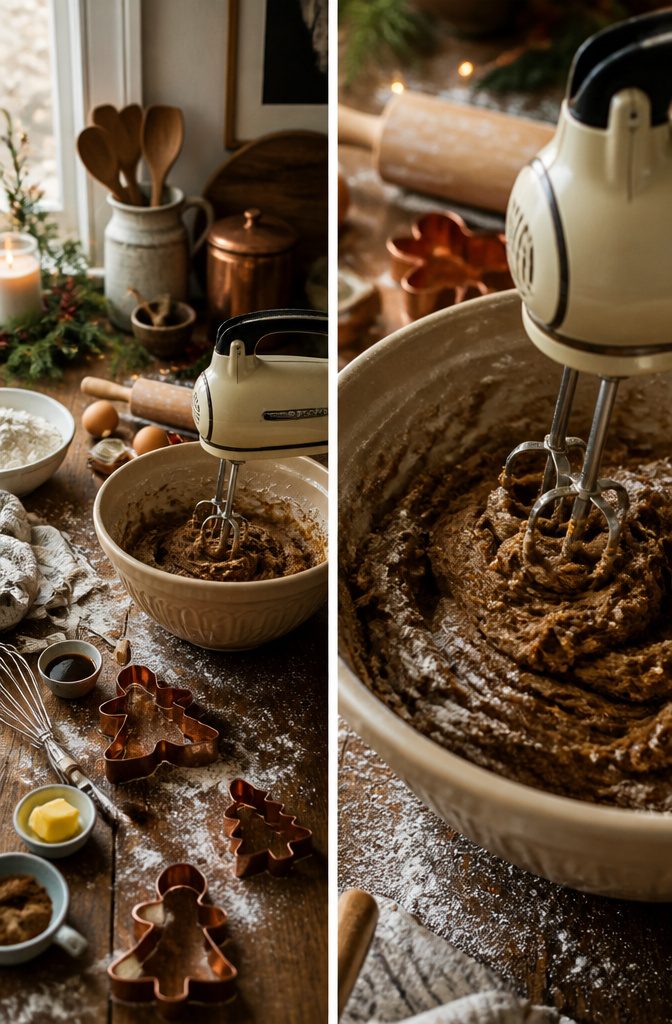
- Whisk the dry ingredients together first: flour, baking soda, baking powder, salt, ginger, cinnamon, cloves, and nutmeg. Setting this aside before the butter softens too much keeps the timing smooth.
- Cream the butter and brown sugar with an electric mixer on medium-high for 1 to 2 minutes, until the mixture looks smooth and holds together rather than sandy. Scrape the bowl once; the molasses will hide unmixed pockets if you skip this.
- Beat in the egg and molasses until combined. I use unsulphured molasses here, not blackstrap, which turns bitter in cookies this size.
- On low speed, add the flour mixture gradually. The dough comes together thick and slightly sticky; stop as soon as the last flour disappears.
- Shape the dough into a thick disk, wrap in plastic, and refrigerate at least 2 hours or up to 2 days. The rest firms the butter and lets the spices settle into the flour; warm dough tears when rolled and bakes unevenly.

These metal Gingerbread Man cookie cutters are ideal for using with baking cookies, sugar paste, petal paste, DIY cooking etc.

【Christmas Cookie Cutters Set】Our set includes 12 pieces gingerbread man cookie cutters

3 Pieces Christmas Cookie Cutters: Includes three different-sized gingerbread man cookie cutters: Large: 5.3" x 4.1", Medium: 4.5" x 3.5", Small: 3.5" x 2.8", Height: 0.98".
Roll, Cut, and Bake
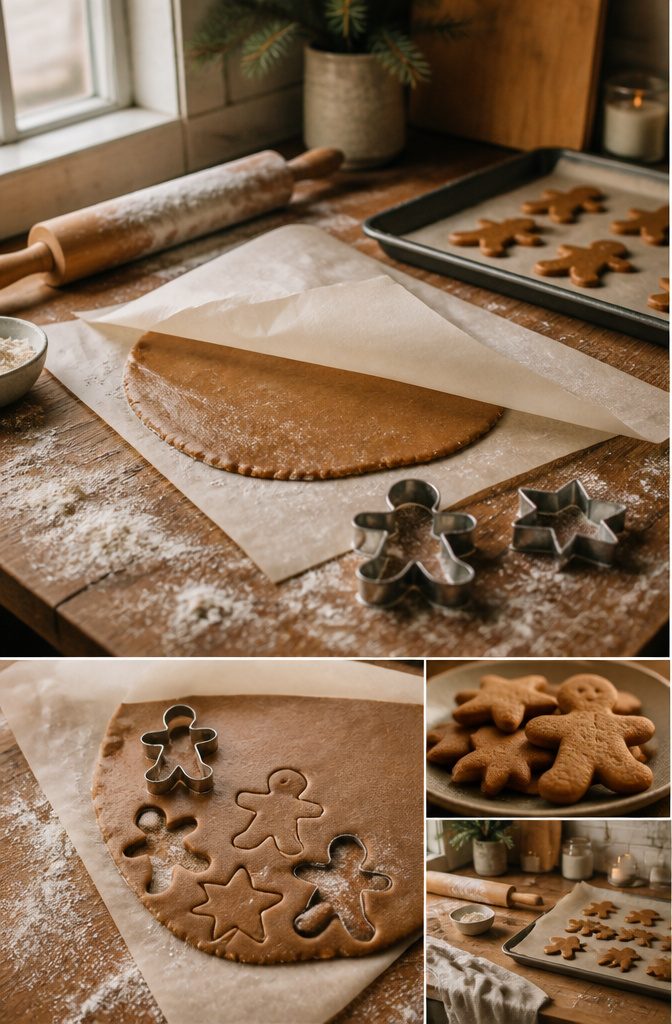
- Let the dough sit on the counter until it bends without cracking, then roll it to 1/4-inch thickness between two sheets of parchment paper or on a floured surface. Parchment keeps you from adding extra flour, which I prefer; a floured counter works fine if the dough is properly chilled.
- Cut shapes with your cookie cutters and place them on parchment-lined baking sheets spaced 1 inch apart. Group similar sizes together so nothing overbakes or underbakes in the same batch.
- Bake at 350°F for 8 to 15 minutes depending on the cutter size. Small shapes may need only 8 minutes; large gingerbread men run closer to 12, or 13 if you want them crisper. The edges should be firm and slightly darkened while the centers are just set; rotate the sheet halfway through for even color.
- Cool the cookies on the pan for 3 to 5 minutes, then transfer to a wire rack. They must cool completely before you touch them with icing, or the decoration will soften and slide.
Decorate

Royal icing holds sharp lines forever, but the simpler glaze wins on taste and speed.
Two cups powdered sugar whisked with two to three tablespoons milk gives you a thick, smooth icing that sets firm enough to stack. Thicken with more sifted sugar, thin with another drop of milk.
Pipe with a squeeze bottle for clean control, or use a zip-top bag with the corner snipped.
Flood the cookie surface first if you want full coverage, then pipe details on top once that base layer has a minute to skin over.
Add candies or sprinkles while the icing is still wet; they will not stick to a dried surface.
The simple glaze needs one to three hours to harden, depending on humidity in your kitchen. Royal icing sets faster and harder, which matters if you are packing these for a cookie exchange.
I reach for the powdered-sugar-and-milk mix anyway. The cookies are for eating, not for architecture, and the softer icing does not fight the chew of the gingerbread.

One 2 pound bag of Powdered Sugar

ROYAL ICING MIX AND ROYAL FROSTING MIX, MERINGUE POWDER ALREADY IN – Just add water: beat 15 oz of mix with 5–6 tablespoons of water for 6–9 minutes and you have stiff-peak royal icing. No separate meringue powder, no sifting.

Resealable pouch. It’s easy to mix just add water!
Soft Cookies Versus Crisp
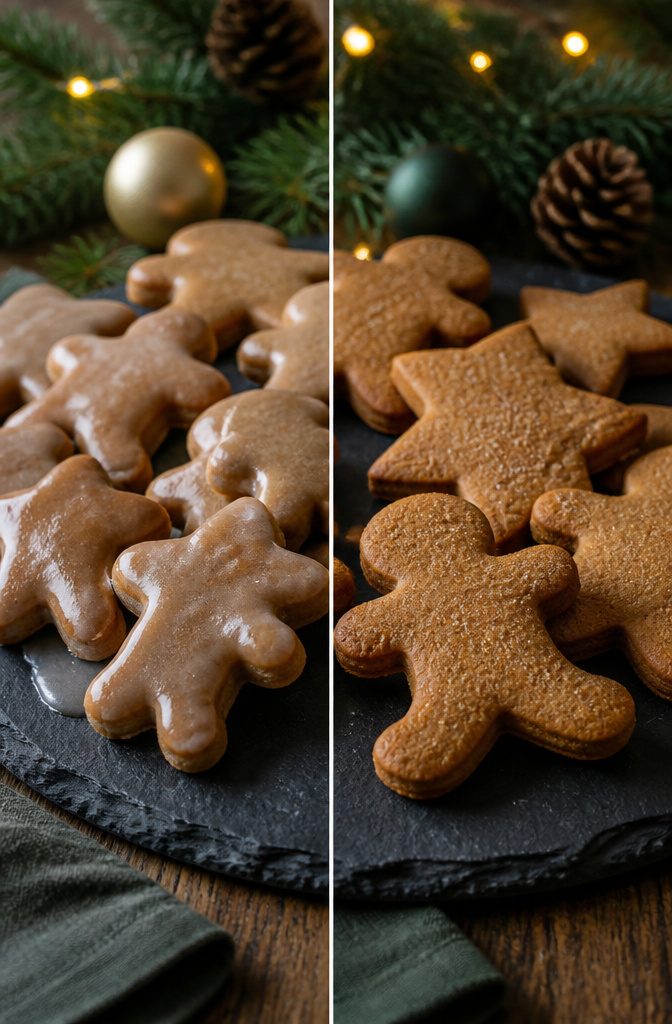
The fat you choose decides the texture before the oven even turns on. Shortening gives you soft, chewy gingerbread cookies that bend rather than crack; butter delivers the classic snap and a more pronounced spice flavor.
I reach for shortening when I want a cookie that stays tender on the plate for days, though the real cost is clear: it mutes the molasses and ginger slightly compared to butter’s fuller taste.
Thickness and time do the rest of the work. A quarter inch is the standard for even baking and that sturdy-soft middle, but rolling closer to three-eighths inch keeps the center plush if that is your goal.
Pull the soft version at 9–10 minutes, while the edges are just set and the centers still puffed; even an extra minute or two pushes you into crisp territory.
For snap, butter plus the full 11 minutes and a true quarter inch does the job.
I prefer the shortening route for Christmas cookie plates that sit out during parties, since the softer cookie is easier eating and holds up to royal icing without crumbling.
The flavor loss is slight enough that a little extra spice in the dough covers it, and the texture you get back is worth that small adjustment.

Kosher & Gluten Free

This one-gallon plastic jug contains 128 fluid ounces of dark molasses suitable for all - in home kitchens or commercial food service.
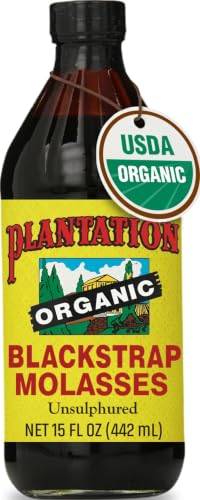
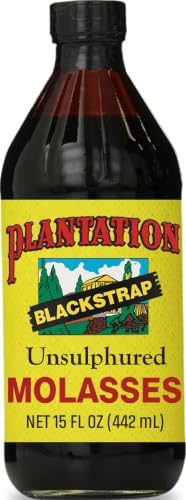
USDA ORGANIC & KOSHER: Certified USDA Organic and Kosher, Plantation Blackstrap Molasses is made from organically grown sugar cane and contains no sulphur, preservatives, or artificial ingredients.
Flavor Variations

The traditional spice trio in gingerbread cookies is ginger, cinnamon, and cloves. A few recipes swap in additions like balsamic vinegar or orange juice, and the difference matters more than it sounds.
Balsamic vinegar does two things to the molasses base: the acid reacts with baking soda to create a more tender crumb, and the reduced grape must adds a faint caramel-fig note that deepens the molasses rather than competing with it.
You will not taste vinegar in the finished cookie. That said, you can substitute white vinegar and lose almost nothing if you do not already keep balsamic around.
The complexity is real but subtle, and for a cookie that will spend its life under royal icing, I would not buy a bottle just for this.
Orange juice works differently.
It brightens the dough with citrus lift, which can read as festive or as slightly out of place depending on whether your decorating palette leans spiced or sweet. It does not affect texture the way acid does.
The "award-winning" label you will see on some gingerbread recipes typically means a state fair ribbon or a magazine test-kitchen pick.
Those contests prize structural integrity and clean spice balance, cookies that hold a sharp edge through baking and judging. Home bakers should borrow the proportions, not chase the title.

McCormick Ground Cloves are always ground from hand-selected whole cloves

Fresh harvest and naturally dried.

McCormick Ground Ginger is sweet & zesty with a hint of citrus flavor
Storage and Make-Ahead
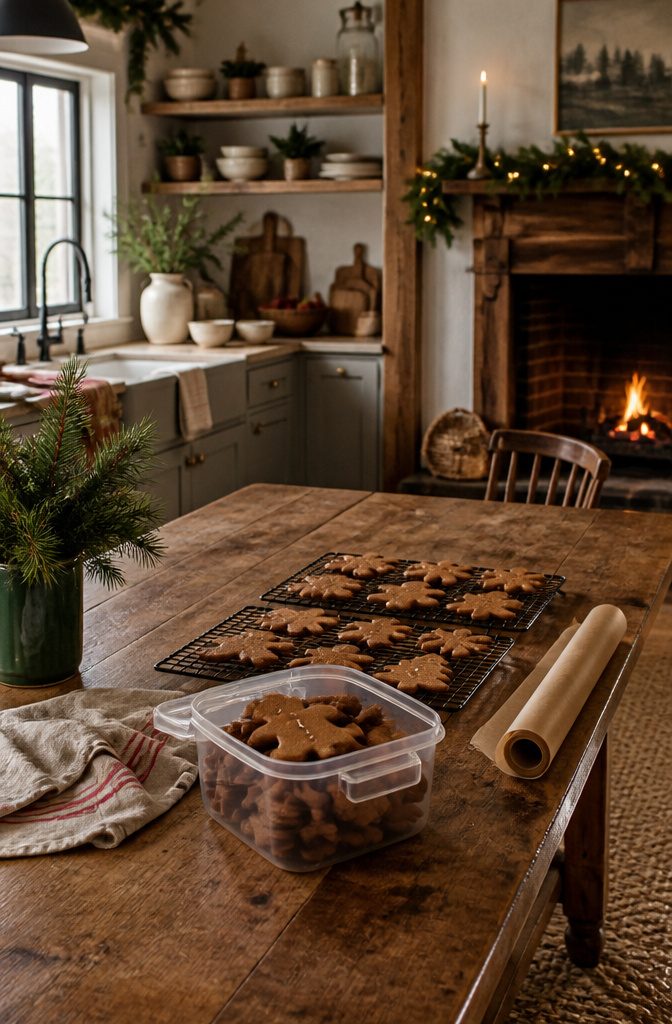
Baked gingerbread cookies keep at room temperature in an airtight container for up to 5 days, though some recipes stretch that to a week.
For Christmas morning, that window matters. I bake no earlier than the weekend before if I want the snap and spice still sharp; day-of is better, and the dough makes that easy.
Unbaked dough wrapped tight holds 2 days in the refrigerator, or up to 3 months in the freezer.
Thaw it overnight in the fridge, then let it sit 10 to 20 minutes until soft enough to roll. Frozen baked cookies keep up to 2 months and need only a counter thaw, no reheating.
The dough’s the better make-ahead play: fresher aroma, less risk of breakage, and the scent of baking fills the house exactly when you want it to.

Food Grade Materials: Made of sturdy 0.4mm materials, ensure they will last for a long time.The top edge of the cookie cutters is wrapped in PVC material silicone, making it easy to tell the front and back of the cookie cutters, while protecting your fingers as you use them.
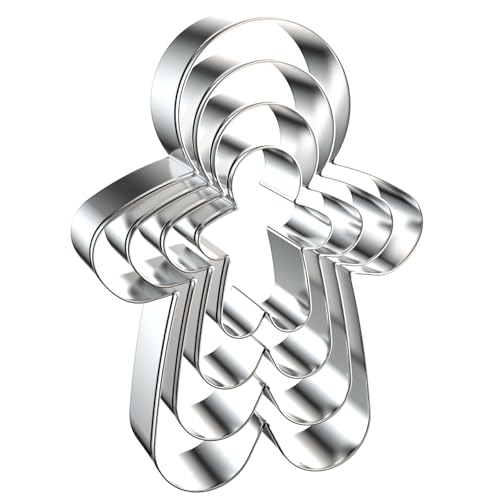
The gingerbread man cookie cutter set includes four different sizes: 5", 4", 3", and 2". Each cutter has a 1" deep cut and is suitable for cutting dough, fondant or craft clay. Make a Christmas story with our gingerbread man cookie cutters!

Gingerbread Man Cookie Cutter: “Run, Run as fast as you can…” to the dessert table to snatch a timeless gingerbread cookie before they hop off the table and out the door. Classic gingerbread man shape brings the storybook nostalgia and festive fun to baking, cookie swaps and family traditions.
Substitutions
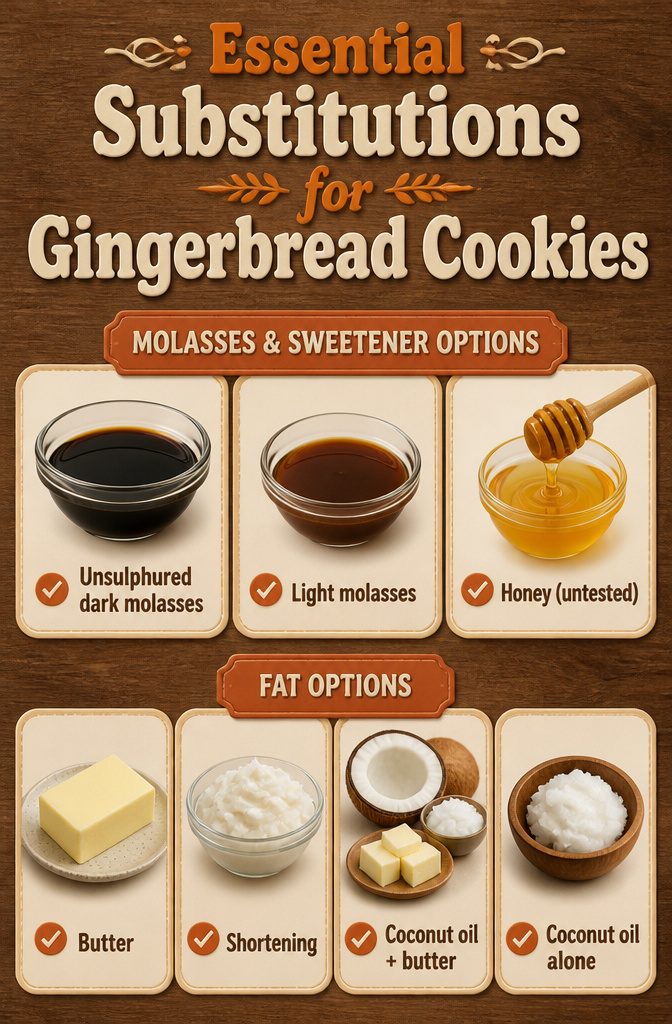
Unsulphured dark molasses is what gives gingerbread its signature depth, and swapping it changes more than color. Grandma’s Molasses is the brand I reach for; it carries enough body to stand up to ginger and cinnamon without turning bitter.
Light molasses works in a pinch, but the cookies come out milder, closer to a spiced sugar cookie than true gingerbread.
Honey is sometimes suggested as a replacement, though I have not tested this myself and the flavor profile shifts entirely, losing that near-burnt edge that defines the cookie.
Butter and shortening split the difference between flavor and structure. All-butter dough spreads more, yielding a flatter, crisper edge that some home bakers prefer; shortening holds a cleaner shape, which matters if you are cutting intricate trees or snowflakes.
A 3/8 cup coconut oil plus 1/2 cup butter combination is a substitution I have seen work well in reader comments, though I have not run this ratio in my own kitchen.
Straight coconut oil alone is another option I have not personally tested. What I do know: the fat choice is the single biggest factor in whether your gingerbread cookies christmas batch keeps its outline under the rolling pin.
Frequently Asked Questions
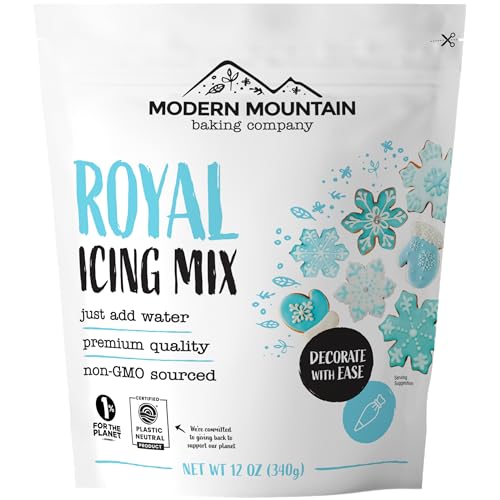
ROYAL ICING WITHOUT THE ROYAL PAIN: Skip the fussy frosting recipes and measuring madness. Just add water to our premium royal icing mix and you're ready to decorate cookies quick. No adding meringue powder, no complicated ratios, no separating egg whites, and definitely no wondering if you got it right. From first-time to full-time decorators, everyone deserves professional results without the professional hassle.

ROYAL ICING MIX FOR COOKIES - Premium royal icing mix for decorating sugar cookies, gingerbread houses, cakes, cupcakes, and desserts with smooth professional-looking results. BEST BY DATE IS EMBOSSED ON THE SEAL SECTION OF THE POUCH.

VERSATILE HOLIDAY ROYAL ICING Adjust the amount of water added to our icing mix to achieve any consistency you desire. Use a thicker texture to create flowers, leaves, and decorations that need to hold their shape. This consistency also makes assembling gingerbread houses a breeze! Add a bit more water to create the ideal piping consistency for borders, outlines, ornate details, and lettering. Simply add even more water to obtain flood icing when you need to smoothly coat cutout sugar cookies.
How do you make gingerbread cookies?
Mix the dry ingredients in one bowl and cream the butter, shortening, and sugar in another, then beat in the egg and molasses.
Combine both mixtures, chill the dough for at least 2 hours, roll to 1/4 inch thick, cut shapes, and bake at 350°F for 8 to 15 minutes depending on size. Decorate after cooling completely with a simple glaze of powdered sugar and milk.
How long do gingerbread cookies take in the oven?
Small shapes need about 8 minutes, while standard 3-inch gingerbread men take 11 to 13 minutes at 350°F. Pull them when the edges are firm and slightly darkened but the centers are just set; even a minute or two longer pushes the texture from soft into crisp.
How long do gingerbread cookies last?
Baked gingerbread cookies keep at room temperature in an airtight container for up to 5 days. For the best spice and snap, bake no earlier than the weekend before you plan to serve them; day-of is ideal.
What is the best way to store gingerbread cookies?
Keep completely cooled cookies in an airtight container at room temperature. The dough is the better make-ahead option: it holds 2 days refrigerated or up to 3 months frozen, and baking fresh fills the house with aroma exactly when you want it.
Can I use a different type of molasses?
You can, but the flavor shifts.
Unsulphured dark molasses like Grandma’s brand gives the signature depth without bitterness; light molasses works in a pinch but yields a milder cookie closer to a spiced sugar cookie. Blackstrap turns bitter in cookies this size.
What can I use instead of butter?
Vegetable shortening replaces butter for a softer, chewier cookie that stays tender for days, though it slightly mutes the molasses and spice.
An all-butter dough spreads more and delivers the classic snap with fuller flavor. Some readers have had success with a combination of coconut oil and butter, though I have not tested that ratio myself.
How to make some Christmas cookies?
This gingerbread dough uses standard pantry ingredients and comes together in two bowls. It yields about 54 three-inch cookies, enough for a holiday platter plus extras to set aside for decorating later.
Is gingerbread for Christmas?
Gingerbread has become a Christmas tradition in the United States, prized for its warm spice profile and the ritual of cutting and decorating shapes.
This recipe leans into that tradition with a straightforward glaze rather than tangier additions like buttermilk or lemon zest that read less classic on the holiday plate.
What is the best ever recipe for ginger cookies?
The best gingerbread cookies balance molasses depth, ginger-forward spice, and a clear texture choice before you start.
This recipe uses unsulphured dark molasses, a standard trio of ginger, cinnamon, and cloves, and lets you decide between shortening for chew or butter for snap.