

These cookies balance sharp, jammy cranberry against a sweet, chewy center, with a total time of about 30 minutes depending on batch size.
The thing that changes them is the cranberry itself: fresh berries demand a quick pulse in the food processor and a bump to 2 cups of sugar, while dried ones need no prep at all but never achieve that real tartness.
I almost always add the nuts for structure, and I pull the batch at 350°F when the edges turn golden but the centers still look slightly underdone.
Ingredients
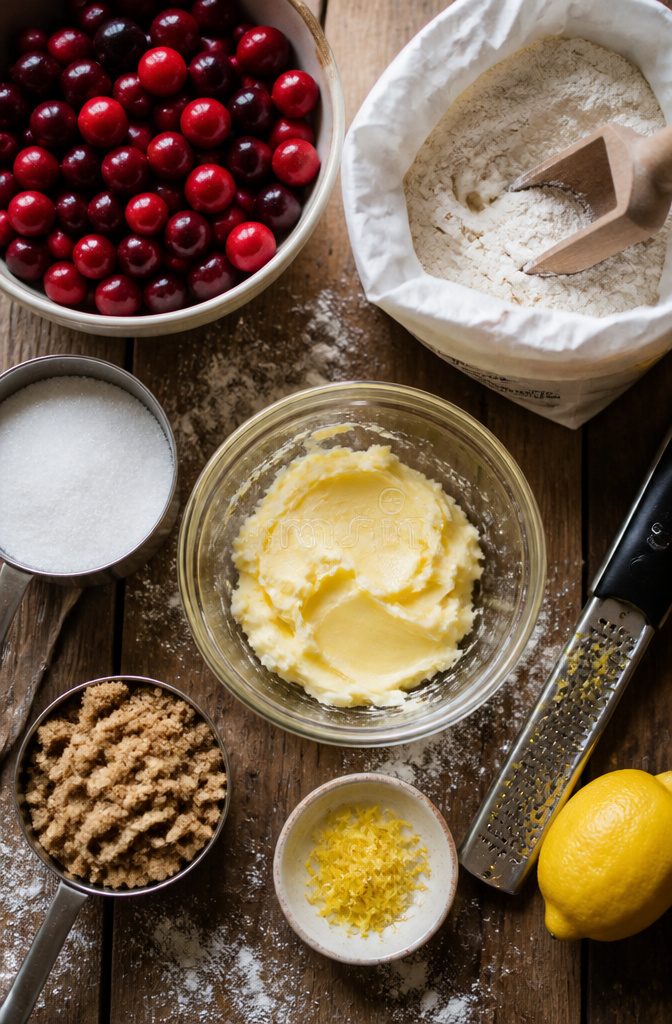
Fresh cranberries give more tartness than dried, so I pick them when I want the cookie to cut through the sweetness of the dough. The ingredient list is straightforward, and most of it is already in a standard pantry.
- 1/2 to 1 cup butter, softened
- 3/4 to 2 cups sugar (white granulated, brown, or a mix)
- 2 to 3 eggs, depending on the batch size
- 1 teaspoon vanilla extract, or almond extract for a different direction
- 2 to 3 cups all-purpose flour
- 1 teaspoon baking powder
- 1/4 to 1/2 teaspoon salt
- 1 to 3 cups fresh or dried cranberries (pulse fresh ones in the food processor until tiny bits)
- 1 cup chopped walnuts or pecans, optional
- White chocolate chips or 6 ounces melting wafers, optional
- 2 tablespoons lemon juice or orange zest, optional
- 1/4 cup milk, if the dough needs loosening
I lean toward the higher end of butter and brown sugar when I want a chewier center, and I almost always add the nuts for structure.

Buttery scones: Gluten-free scone mix for homemade breakfast or afternoon baking

Savor an exquisite culinary experience: Elevate a breakfast moment into an elegant teatime with the buttery flavor and flaky texture of Ann Clark Orange Cranberry Scone Mix.
Method
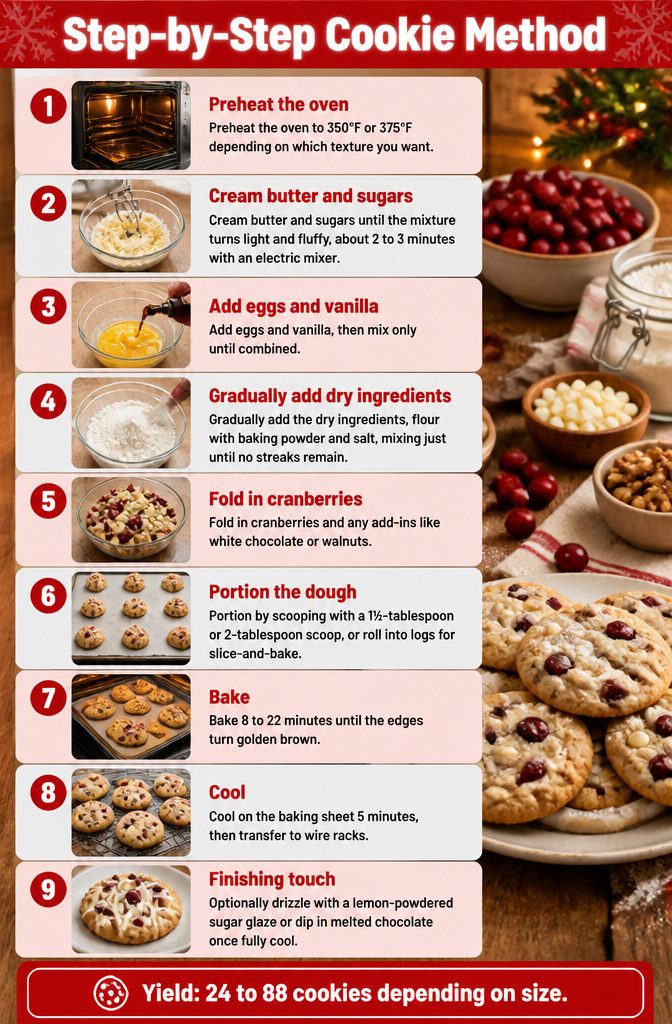
- Preheat the oven to 350°F or 375°F depending on which texture you want. The lower temperature gives a chewier center and longer bake; 375°F sets the edges faster for a crisper rim.
- Cream butter and sugars until the mixture turns light and fluffy, about 2 to 3 minutes with an electric mixer. This step builds the air that lifts the cookie.
- Add eggs and vanilla, then mix only until combined. Over-beating here toughens the crumb.
- Gradually add the dry ingredients, flour with baking powder and salt, mixing just until no streaks remain. The dough should look almost under-mixed; it finishes on the sheet.
- Fold in cranberries and any add-ins like white chocolate or walnuts. Fresh or frozen cranberries work, though pulsing them first keeps the pieces from exploding in the bite.
- Portion by scooping with a 1½-tablespoon or 2-tablespoon scoop, or roll into logs for slice-and-bake. Space them 2 inches apart on parchment-lined sheets.
- Bake 8 to 22 minutes until the edges turn golden brown. The wide range covers everything from small scoops at 375°F to the larger 2-tablespoon drops at 350°F.
- Cool on the baking sheet 5 minutes, then transfer to wire racks. The residual heat finishes the center.
- Optionally drizzle with a lemon-powdered sugar glaze or dip in melted chocolate once fully cool.
Yield: 24 to 88 cookies depending on size.

SUPERIOR FUNCTION: The Cuisinart Mini-Prep Plus Food Processor offers an efficient 250-watt motor and patented reversible stainless steel blade to quickly chop herbs, dice vegetables, and grind hard cheese
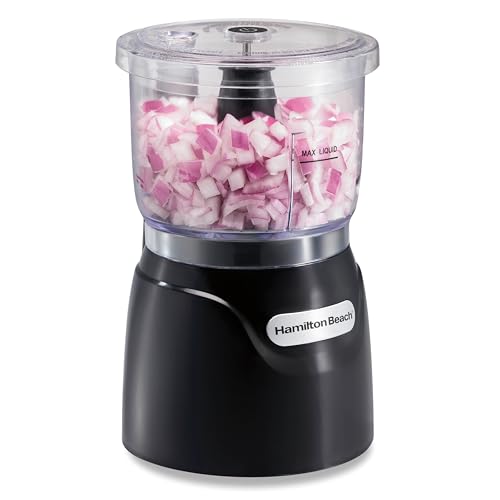
Simply stack and press to chop: The patented stack & press design makes it easy to assemble and use. Simply press the lid to chop and release to stop. Since all you do is stack the lid on top of the bowl, no difficult twist-locking is needed.

【Indispensable Kitchen Helper】GANIZA BPA-FREE food processor features 2 sets of blades and paired bowls (8-Cup glass bowl and 8-Cup stainless steel bowl). Easily chop meat, fish, vegetables, nuts, frozen fruit, or make a salad, guacamole, etc, the food chopper is ideal for multiple kitchen tasks!
Fresh or Dried Cranberries
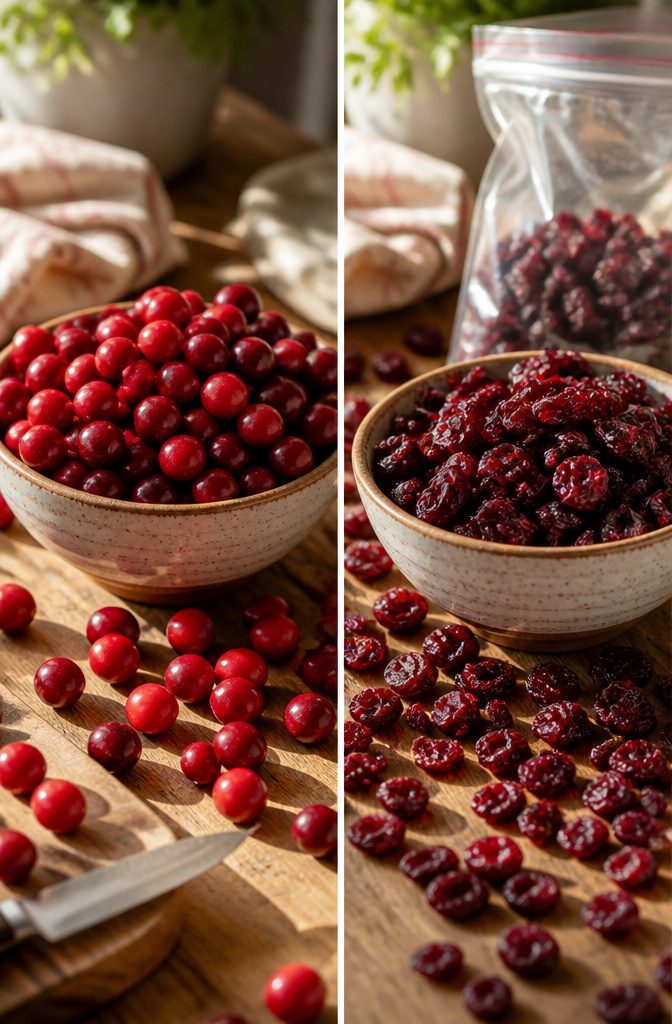
Fresh cranberries give these cookies a sharp, real tartness that dried fruit simply cannot match, and they cut the sugar load in the bargain.
If you use fresh, add about 2 cups of sugar to the dough to balance their acidity; dried cranberries carry added sugar already, so the base recipe stays sweeter without adjustment.
Fresh berries give you a juicier bite but need more prep; dried ones are grab-and-go but chewier. Fresh berries soften and burst in the oven, leaving little pockets of jammy fruit, while dried ones stay chewy and uniform.
Fresh cranberries also demand a quick chop so they distribute evenly; leave them whole and you risk a bite of pure sour or a bare corner of dough.
Frozen fresh berries work perfectly straight from the freezer, so you can bake with them even after January when fresh ones disappear from stores.
Dried cranberries win on convenience alone.
They need no prep, no balancing act with sugar, and they keep in the cupboard indefinitely. The cookie will still taste good, but it will not be the same cookie.
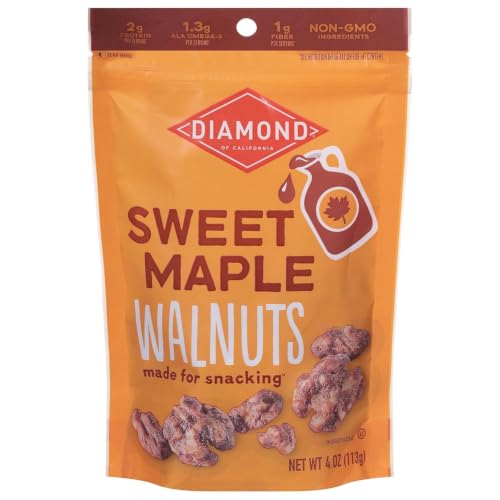

Flavored Pecan Snack Nuts: Our seasoned sweet pecans are made with a lightly sweetened glaze for satisfying crunch; Ready to be enjoyed straight from the bag, they make a great protein snack or healthy kids' snack; Enjoy 4 servings per bag

Delicious ingredients: classic melt-in-your-mouth butter pecan cookies crafted with creamery butter, crunchy pecans, and cage-free eggs
Butter and Sugar Choices
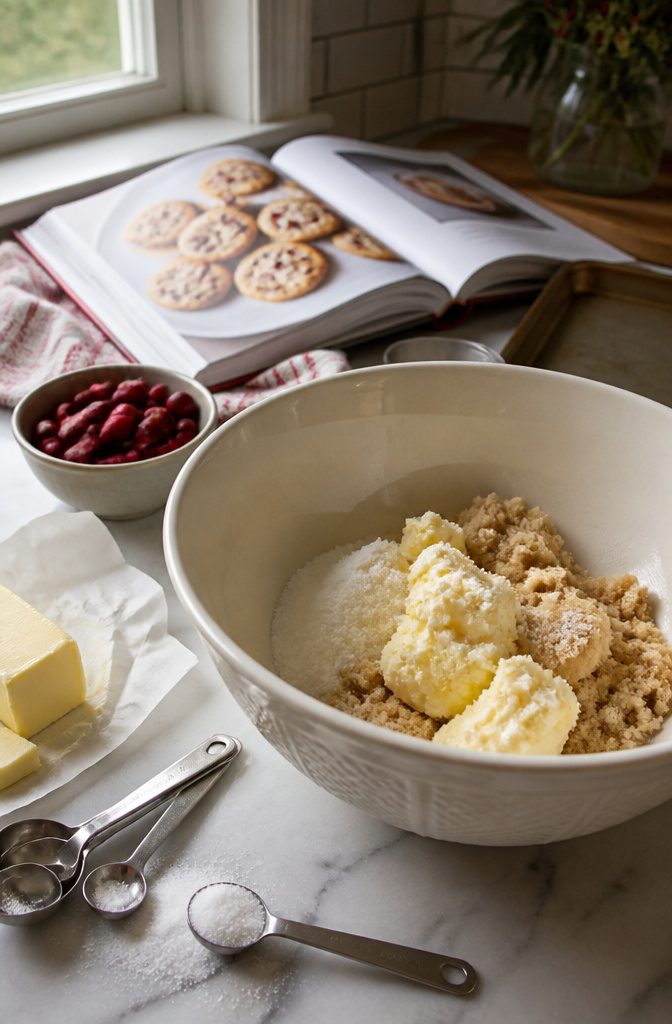
The butter amount in christmas cranberry cookies runs from ½ cup to 1 cup, and that single stick of difference changes how much the dough spreads on the sheet.
More butter means a flatter, crisper edge; less keeps the dome taller and the center softer.
Sugar splits the texture too.
Granulated sugar pushes spread and adds snap, while brown sugar, especially dark, holds moisture and builds chew. The ratios I see most often pair ¾ cup packed brown sugar with ¼ cup granulated, or split it evenly at ½ cup each.
The first gives a denser, almost fudge-like middle; the second yields a more classic bakery cookie with some crunch at the rim.
Total sugar lands between ¾ cup and 2 cups, though 1 to 1½ cups is the practical zone for cookies that still taste like cranberries instead of candy.
Margarine can stand in for butter, but the results vary.
It melts differently and carries extra water, so cookies spread more and brown less evenly. Some bakers insist on real butter for that reason, particularly in shortbread-style recipes where butter is the whole structure.
If margarine is what is in the fridge, choose a stick version with higher fat content and expect a slightly softer, less flavored result.


12 ounces of premium white chocolate mini chips

BAKER'S CHOCOLATE BAR: One 4 oz box of Baker’s Premium White Baking Chocolate
Baking Temperature and Time
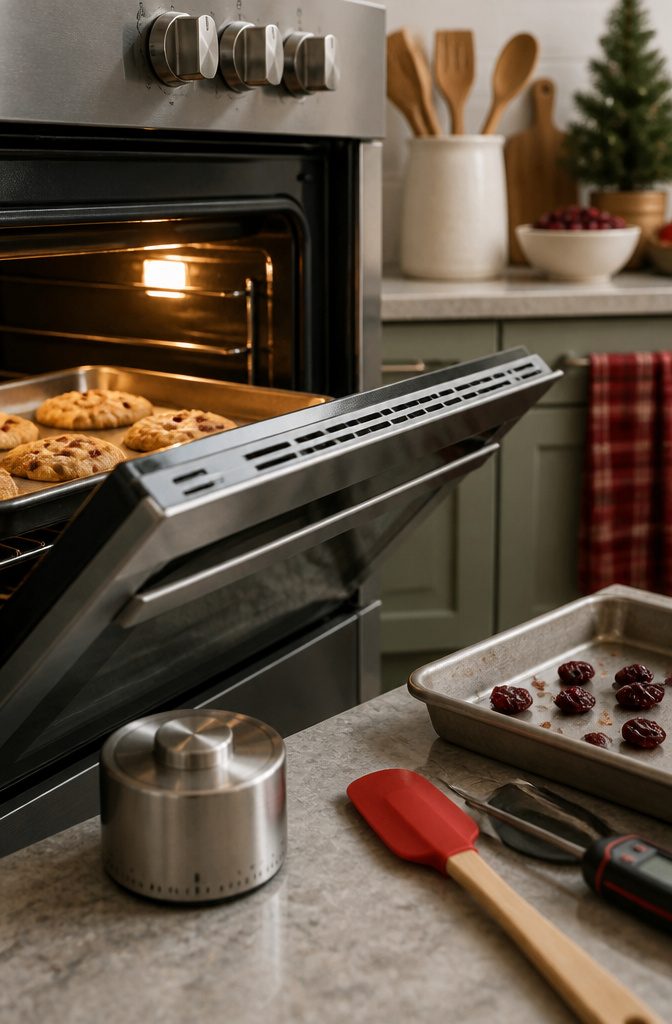
350°F gives the cranberry pieces time to soften before the surrounding dough sets, while 375°F pushes faster browning on the outside.
For standard drop cookies, that difference usually maps to 8 to 12 minutes versus 10 to 14 minutes, though a generous scoop or a rolled log can push either toward 18 or even 22 minutes.
I pull them when the edges turn golden brown; the centers still look slightly underdone and finish as they cool on the pan.
Chilling the dough for an hour before baking firms the butter back up, which keeps the cookies from spreading into thin, brittle disks. The source material notes that one hour is plenty; longer is fine but not necessary.

LEMON FLAVORED POWDERED SUGAR FOR BAKING & FROSTING: Whipzi Lemon Flavored Powdered Sugar adds delicious flavor directly into your baking. Perfect for buttercream frosting, royal icing, glazes, whipped cream, desserts, coffee drinks, and specialty beverages for a refreshing Lemon flavor in every use.

PREMIUM QUALITY POWDERED LEMON PEEL: Spices Village has dried, grounded sparkling lemon peel. It is also known as lemon rind or citrus fruit zest alongside grapefruits, limes or orange, and is used for cooking, baking and tea. Organically used in desserts, beverages, herbal teas, sauces, seasoning blends, dressings chicken and meat dishes.
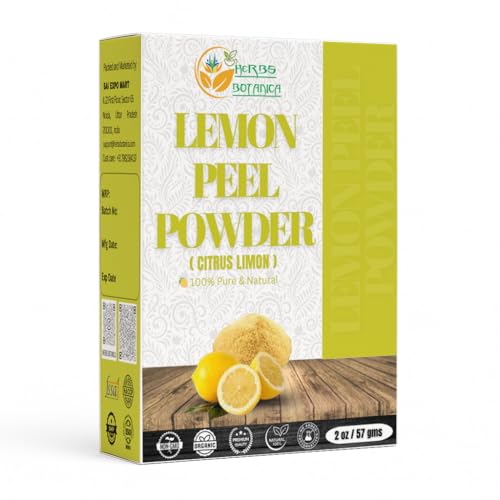
100% Pure & Natural Lemon Peel Powder – Made from finely ground dried lemon peel, preserving its natural aroma and citrusy flavor.
Add-Ins and Flavor Variations
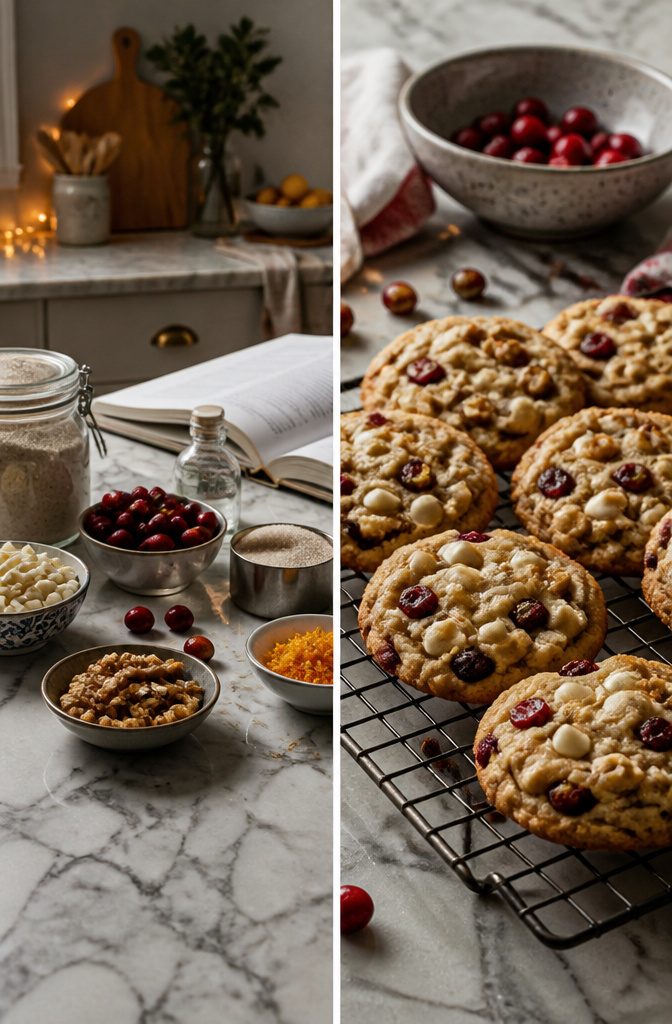
White chocolate chips are the pairing I reach for first. Their sweetness rounds off the cranberry’s sharp edge without masking it, and the chips melt into faint ivory pools against the ruby fruit.
A half cup is usually enough; more than that and the cookie starts to read as candy rather than fruit.
Nuts change the texture more than the flavor.
Chopped pecans or walnuts add a shattering crunch that plays against the chew of dried cranberries, though I skip them when I’m baking for a holiday tin that will sit around for a week.
They soften, and a soft nut is just filler.
Orange zest and lemon zest do different work.
Orange folds in quietly, almost like another sweetener, while lemon lifts the whole profile into sharper focus. One source beats the zest into the sugar first, letting the abrasive sugar crystals pull the citrus oils out of the peel.
The sugar turns faintly yellow and the finished cookie carries that brightness all the way through. I do this whenever I have the extra minute; the difference is real but not loud.
Almond extract is the sleeper hit. A single teaspoon replaces vanilla entirely in some shortbread-style versions, and the marzipan note it leaves behind makes the cranberry taste somehow more like itself.
I keep it to a quarter teaspoon if I’m also using citrus, since both are fighting for the same high notes.
None of these alter the base method. The dough comes together the same way; you just fold in different passengers.

Chewy Golden Blondies with Real Cranberries and White Chocolate Chunks: This gourmet mix elevates the classic, buttery Blondie by adding the tart zing of cranberry bits to the rich sweetness of white chocolate, brown sugar, and honey.

Pure Original Ingredients Cranberry Extract Powder is made from a single ingredient, providing a pure undiluted supplement

Satisfy your sweet cravings with cookie lover tee! Perfect for cookie bakers and enthusiasts. This shirt is a fantastic way celebrate a cookie aficionado's birthday, showcasing their love for baking these delightful treats
Storage
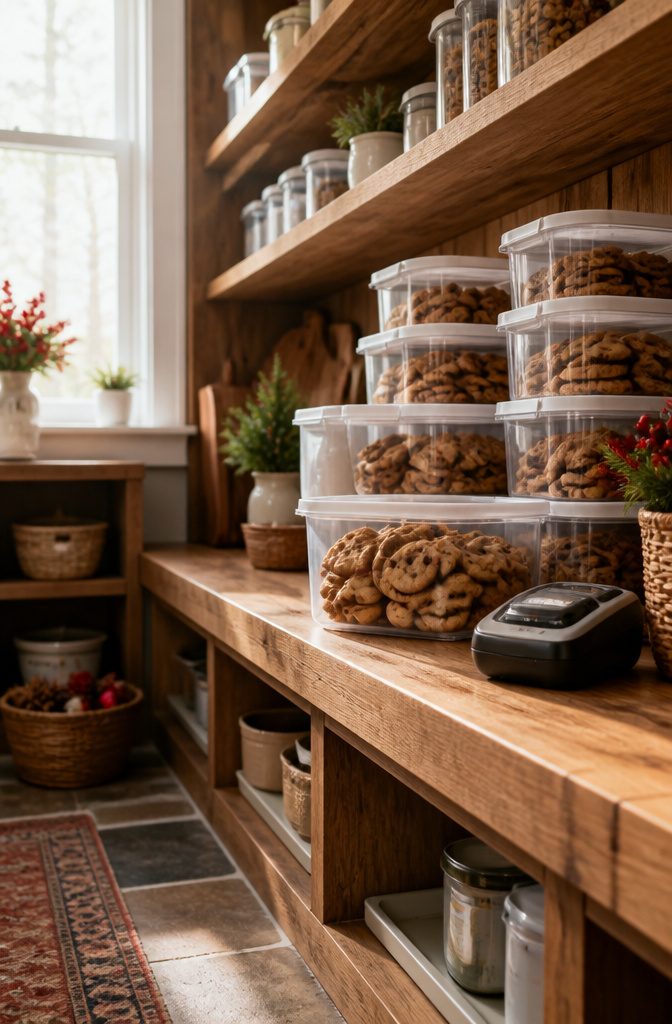
Airtight container at room temperature keeps these cookies at their best for 5 to 7 days. That extra window past the usual 3-day mark comes from the dried cranberries, which stay chewy longer than fresh fruit would.
For longer storage, freezing works whether the cookies are baked or not.
The dough keeps for up to 6 months if you shape it into logs first, wrap each in a triple layer of plastic wrap, and freeze them flat on a baking sheet before transferring to a freezer bag.
Once solid, the logs can stand upright in a corner of the freezer where nothing will squash them. Thaw overnight in the refrigerator, then slice and bake.
Baked cookies freeze well too, up to 3 months in a freezer-safe container with a tight lid. I like to lay a sheet of plastic wrap directly against the surface before sealing, which blocks the air that turns sugar cookies stale.
Let them thaw completely on a rack before stacking; any condensation needs to evaporate first or the glaze will weep.

【Patented Button Design】Upgraded Ganiza food processors for effortless use, and easier pressing. The ergonomic design of the Buttons & Appearance reduces hand fatigue and provides good control and stability.

POWERFUL PERFORMANCE: The 1000-peak-watt motor precisely powers through tough ingredients to ensure smooth, consistent results every time.

Convenient 3.5 cup work bowl features a locking blade, handle and pour spout for easy serving, and dishwasher-safe for quick clean up
Frequently Asked Questions

WHITE CHOCOLATE CHUNK COOKIES: Pepperidge Farm Tahoe White Chocolate Macadamia Nut Cookies are baked with white chocolate chunks and macadamia nuts

Keep the tradition alive this holiday season! Roast and crack in-shell nuts

DARK CHOCOLATE CHUNK COOKIES: Pepperidge Farm Chesapeake Dark Chocolate Pecan Cookies are baked with an abundance of dark chocolate chunks and pecans
Can I use fresh cranberries instead of dried?
Yes, but fresh cranberries give a sharper, more tart flavor than dried.
Pulse them in a food processor first so they distribute evenly, and add about 2 cups of sugar to balance their acidity. Fresh berries soften and burst in the oven, leaving jammy pockets, while dried ones stay chewy and uniform.
How do I store cranberry cookies?
Keep them in an airtight container at room temperature for 5 to 7 days.
For longer storage, freeze baked cookies up to 3 months in a freezer-safe container with plastic wrap pressed against the surface, or freeze shaped dough logs up to 6 months wrapped in triple layers of plastic.
What can I substitute for butter?
Margarine works in a pinch, but choose a stick version with higher fat content.
It melts differently and carries extra water, so cookies spread more and brown less evenly than with real butter. The flavor will be softer and less pronounced.
How long do these cookies last?
They stay at their best for 5 to 7 days at room temperature in an airtight container.
The dried cranberries help them keep longer than cookies with fresh fruit. Baked cookies freeze well for up to 3 months, and unbaked dough logs last up to 6 months frozen.
Should I soak dried cranberries before baking cookies?
No soaking is needed for this recipe.
Dried cranberries go straight into the dough and rehydrate slightly during baking, keeping a pleasant chew. Soaking would make them too soft and could add unwanted moisture to the dough.