

These gingerbread cookies crack cleanly at the first bite, then warm up with ginger and clove rather than collapsing into flat sweetness.
The same dough yields either a chewy center or a crisp snap depending on how long you leave them in the oven, so you do not have to choose before you mix.
Chill the dough at least two hours, or up to three days; the wait deepens the molasses flavor and keeps your gingerbread men from spreading into puffy amoebas.
What These Cookies Are
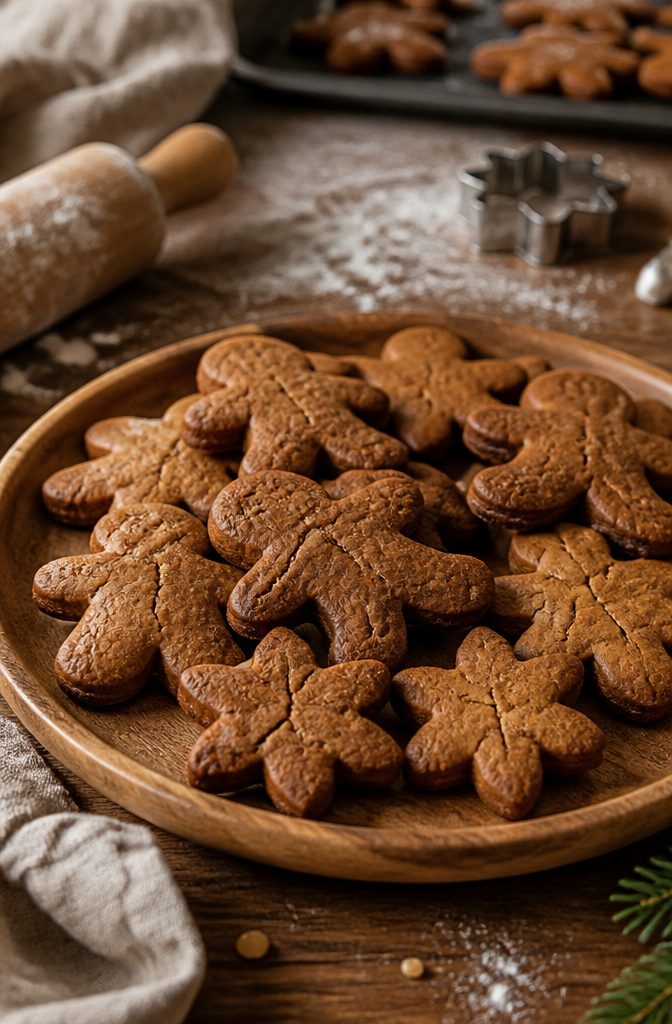
The snap is what matters here. These cookies crack cleanly when you break one, then warm up with ginger and clove rather than flattening into a single-note sweetness.
I bake them in December, but also on any weeknight when the house needs to smell like something happened in it.
The yield runs 24 to 50 depending on cutter size, from a dough that keeps three days chilled and actually improves for the wait.
Some recipes chase softness; this one gives you structure that holds a shape and still yields at the teeth.

Ingredients: Ginger, cinnamon, clove, nutmeg, black pepper, allspice.
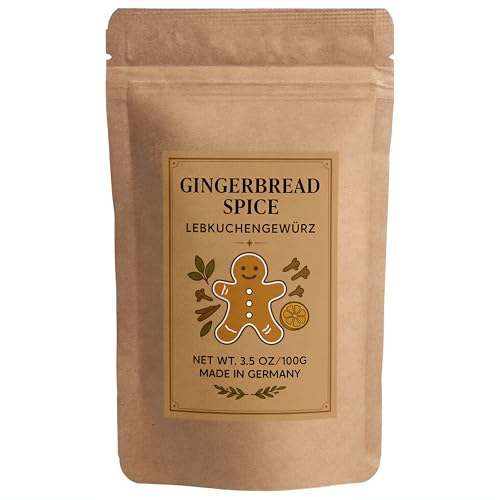
AUTHENTIC GERMAN GINGERBREAD SPICE (LEBKUCHENGEWÜRZ) – Crafted in Germany using a traditional 7-spice recipe: cinnamon, coriander, anise, star anise, fennel, ginger, and cloves. A complex, layered aroma built for Lebkuchen, Pfeffernüsse, Spekulatius, and other classic German holiday baking — with a depth of flavor that goes far beyond a simple cinnamon blend.

GREAT TASTING - Try Mom’s Place Gluten Free Gingerbread Mix and satisfy your sweet tooth without sacrificing taste or health.
Ingredients
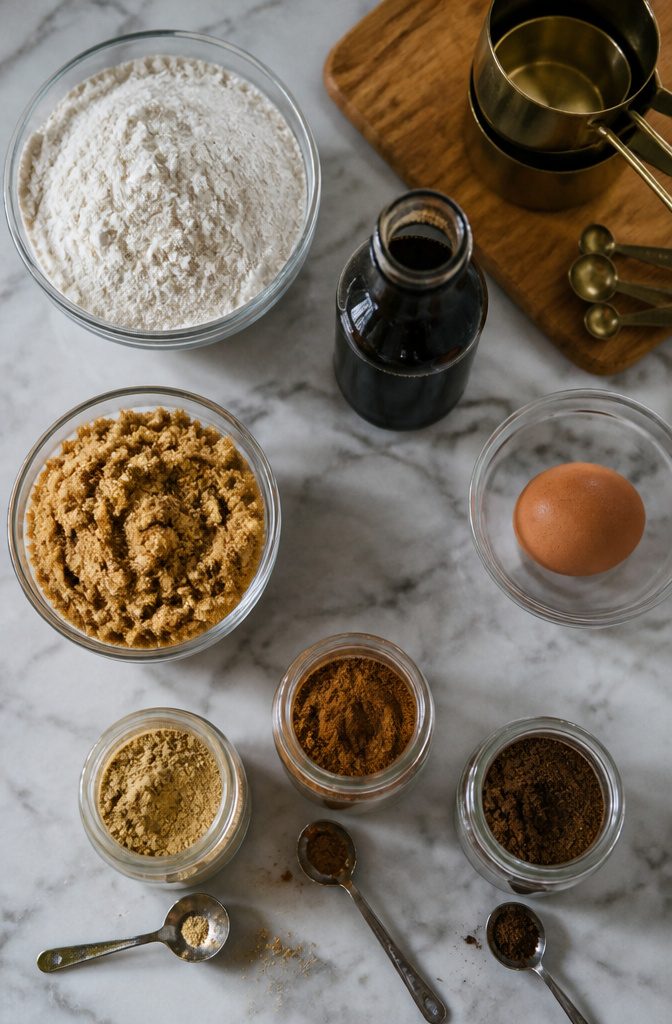
The ingredient list for this gingerbread cookie recipe is short and supermarket-friendly. No specialty flours or candy thermometers required.
- 3 cups all-purpose flour
- 3/4 cup firmly packed brown sugar
- 1/2 cup unsulphured molasses (not blackstrap)
- 1 large egg
- 1 tablespoon ground ginger
- 1 teaspoon baking soda
- 1/2 teaspoon salt
- 2 teaspoons ground cinnamon
- 1/2 teaspoon ground cloves
Butter is implied by the creaming step in the method, though sources vary on whether to use salted or unsalted. I lean unsalted for control, but either works.
The standard spice set is ginger, cinnamon, and cloves.
Some bakers add nutmeg, allspice, or cardamom, and a few grind in black pepper for heat. I keep to the core trio; the molasses carries enough complexity.
Vanilla extract appears in several versions, but I skip it here. The molasses and brown sugar already do the heavy lifting on depth.
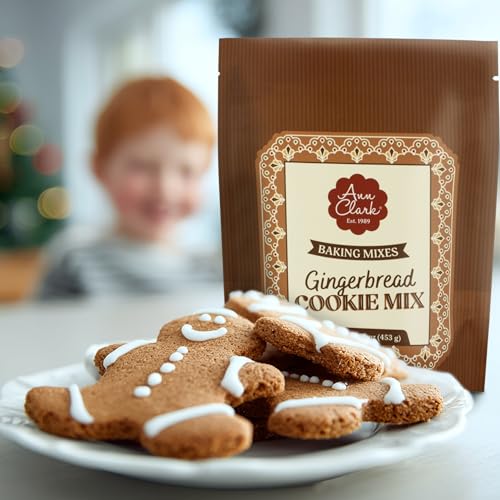
Classic Gingerbread Cookies for Christmas: Bake soft, chewy gingerbread cookies with signature sweet, gingery flavor that will have guests begging for the recipe.


0g Trans Fat Per Serving
Method
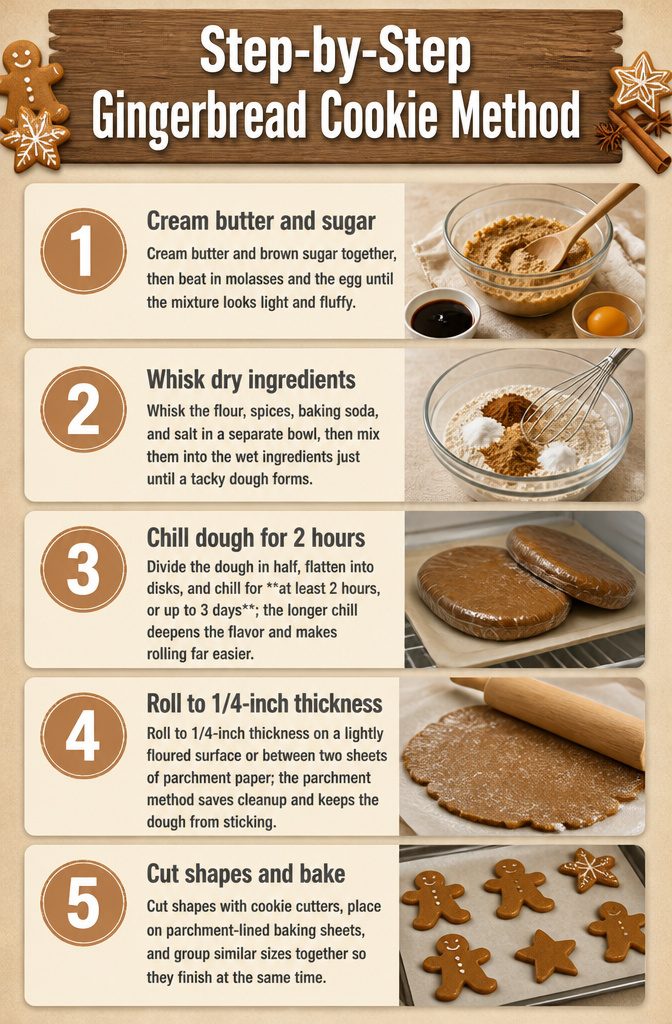
- Cream butter and brown sugar together, then beat in molasses and the egg until the mixture looks light and fluffy.
- Whisk the flour, spices, baking soda, and salt in a separate bowl, then mix them into the wet ingredients just until a tacky dough forms.
- Divide the dough in half, flatten into disks, and chill for at least 2 hours, or up to 3 days; the longer chill deepens the flavor and makes rolling far easier.
- Roll to 1/4-inch thickness on a lightly floured surface or between two sheets of parchment paper; the parchment method saves cleanup and keeps the dough from sticking.
- Cut shapes with cookie cutters, place on parchment-lined baking sheets, and group similar sizes together so they finish at the same time.
- Bake at 350°F for 8–12 minutes depending on size; edges should look firm and set while centers stay slightly soft for a chewier cookie, or bake until fully firm throughout for a crisp snap.
- Cool on the baking sheet for about 5 minutes, then transfer to a wire rack to cool completely before handling.
- Decorate only after the cookies have fully cooled, or the icing will slide right off.

Product Material: these deli paper sheets are made of safe materials and can be assured use and directly connect food; Covered with a good coating, it is very waterproof, and grease proof; It is not easy to tear or spill, so can prevent oil or grease in baked goods or fried food from penetrating
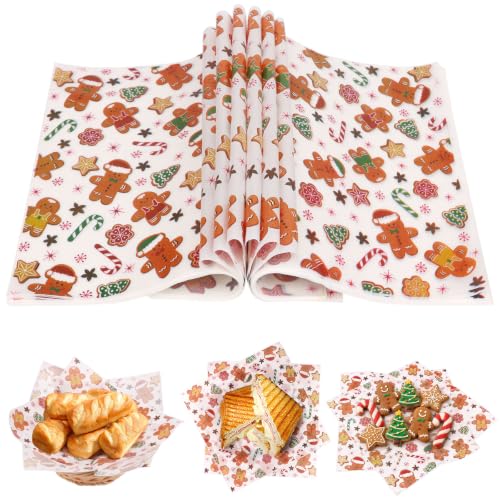
Value Pack:You will receive totally 150 sheets Christmas gingerbread man wax paper,enough quantity and vivid pattern can satisfy your various needs of use,and you can share them with your friends.

Package Includes—Four (4) 25ct packs of Reynolds Kitchens Cookie Baking Sheets measuring 12 inches long by 16 inches wide (100 Total Sheets)
Yield and Storage
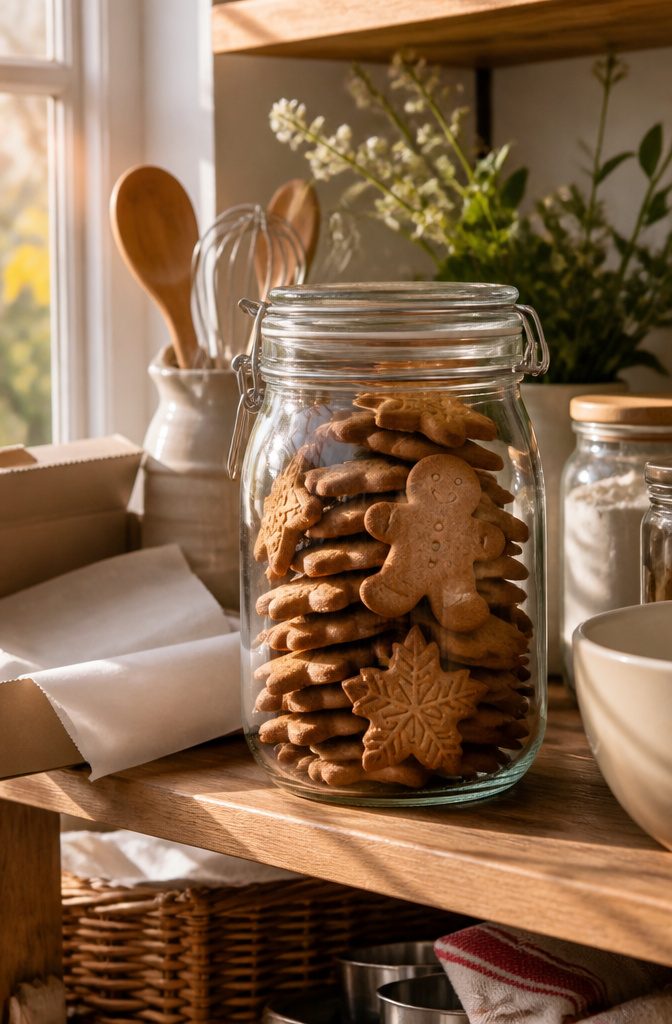
A standard batch yields 24 to 50 cookies, depending on how large your cutter runs. I lean toward mid-sized shapes, which land me around 45 to 50 and feel generous without turning the kitchen into a full production line.
Baked cookies keep at room temperature in an airtight container for up to 5 days.
Some bakers push that to a week, but I treat 5 days as the reliable limit, especially if you are decorating with royal icing that needs to stay pristine.
For longer planning, the dough freezes well wrapped tight for up to 3 months. Thaw it overnight in the refrigerator before you roll it out; the cold defrost keeps the butter from softening too fast and sticking.
Baked cookies also freeze, though I cap that at 2 months for the best texture. Let them thaw at room temperature straight from the freezer, no refrigerator stage needed.

Christmas Gingerbread Man Cookie Cutters Set: This set includes six different Christmas Gingerbread man and house cookie cutters, allowing you to create intricate and unique Christmas-themed cookies. Each shape offers a fun and creative way to celebrate the season

Gingerbread Man Cookie Cutter Set includes four assorted sizes - 5", 4", 3", 2". Deep 1" Cut. Widely used for cutting dough, fondant or craft clay etc. Excellent to use at Christmas party.

King Arthur Baking Company 3-D Gingerbread Embossing Cutters: create festive three dimensional gingerbread houses with embossed details for holiday treats, gifting, decorating, and entertaining
Soft vs. Crispy
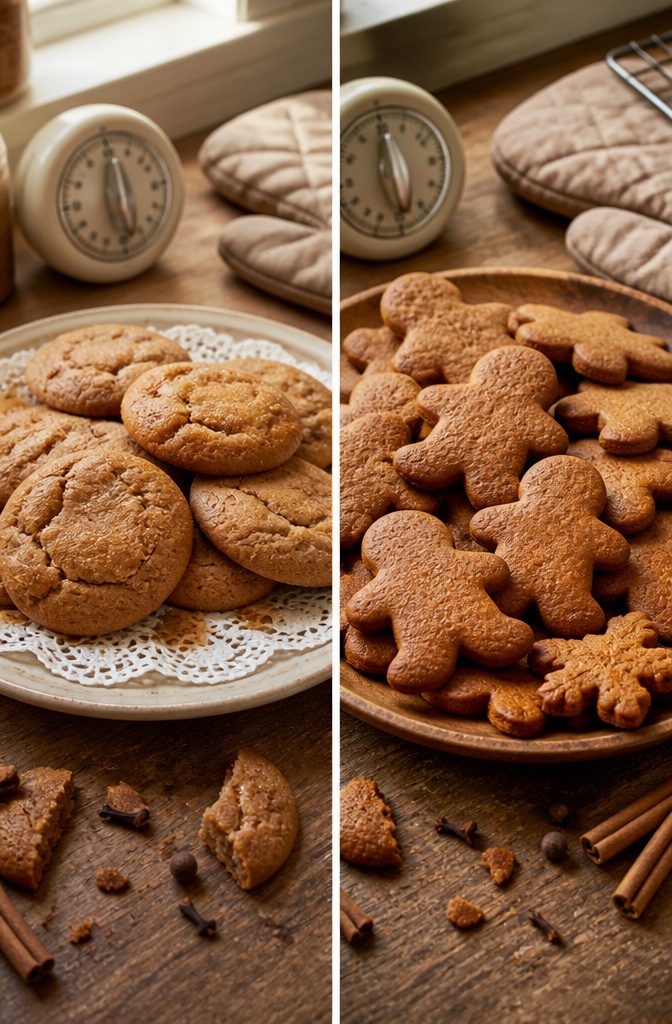
Most gingerbread recipes force you to pick a camp before you start mixing. The same dough handles both textures, and the adjustments are small enough to do on the fly.
For soft cookies, pull the tray at 9–10 minutes instead of the full 11. The centers finish setting on the pan during the three-minute rest.
Two tablespoons less flour and an extra teaspoon or two of molasses keep the crumb tender and slightly chewy. Rolling the dough a bit thicker than usual protects the middle from drying out.
Crispy cookies need the full bake time, a thinner roll, and two extra minutes in the oven.
The edges brown and firm into that traditional snap I prefer. The flavor deepens too; the spices toast rather than just warm.
The dough itself does not change. Molasses, butter, and brown sugar give you enough structure for either path, which means one batch can split into two textures if your household cannot agree.
I reach for the crisp version because the snap against icing is the point of gingerbread to me, but the soft option solves the common complaint that holiday cookies turn hard as rocks.
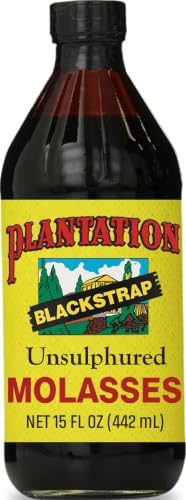
RICH IN NATURAL NUTRIENTS: Each serving provides iron to support energy, potassium to promote heart health, and calcium to help strengthen bones delivering nutrition along with every spoonful of molasses.

Soft & Chewy – Enjoy the rich, comforting flavor of ginger molasses in every bite. Shirley J Ginger Molasses Cookie Mix makes deliciously soft, chewy cookies with a warm, spiced flavor for a delightful homemade treat.

Chilling the Dough
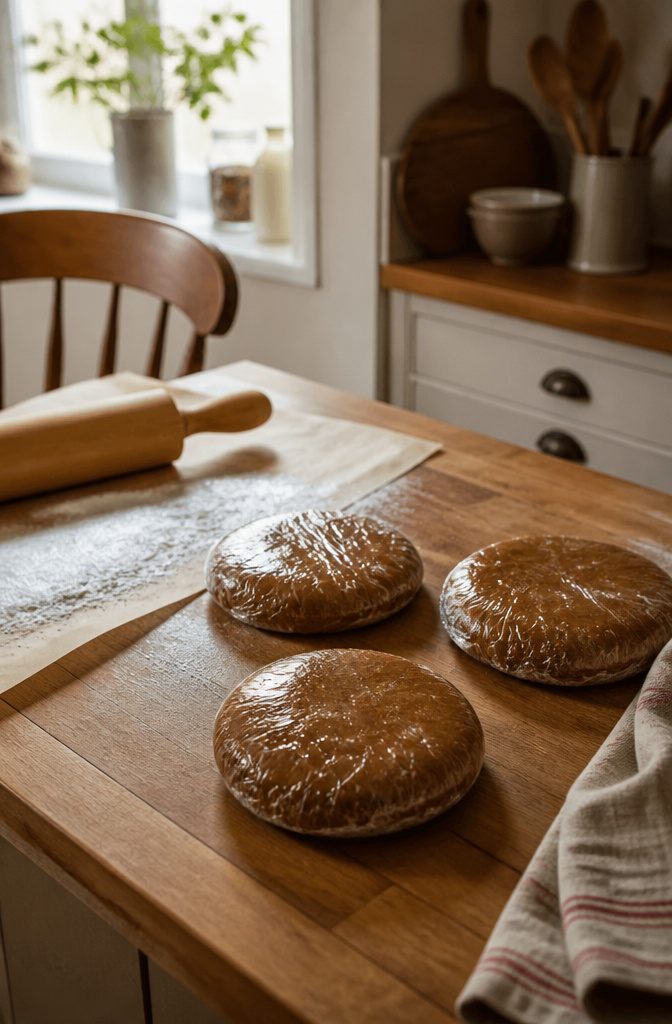
Two hours is the floor for chilling gingerbread dough, and overnight is better.
In that window the butter firms enough that your cutters slice clean instead of dragging, the flour finishes drinking up the molasses and spice, and the flavor deepens past raw sweetness into something that actually tastes like gingerbread.
Most sources land between 2 and 3 hours minimum, which tells you the exact timing matters less than giving the dough real time to stiffen.
If you skip it, the shapes spread in the oven and your gingerbread men come out puffy amoebas, plus the warm dough clings to the cutter and fights you at every transfer.
Shape the dough into discs before it goes in the fridge. It chills faster with less bulk, and the flat shape rolls out evenly without that cracked-edge ring you get from a ball.
You can hold it there up to about 3 days before the quality starts to slide, or 2 days by some bakers’ reckoning. If you do go overnight, let it sit out 15 minutes before rolling so it yields without cracking.
You wait longer, but the shapes hold clean edges. The dough is sticky when fresh, unmanageable when warm, and only cooperative once cold.

Ready-to-Use Gingerbread Spice Mix: Convenient spice blend ready to use for making delicious gingerbread cookies

One small 0.5 oz pouch of Edora Gingerbread Spices.

Package Contents: ONE 15.25oz box of pumpkin spice cookie mix for baking delicious homemade cookies
Baking Time and Temperature
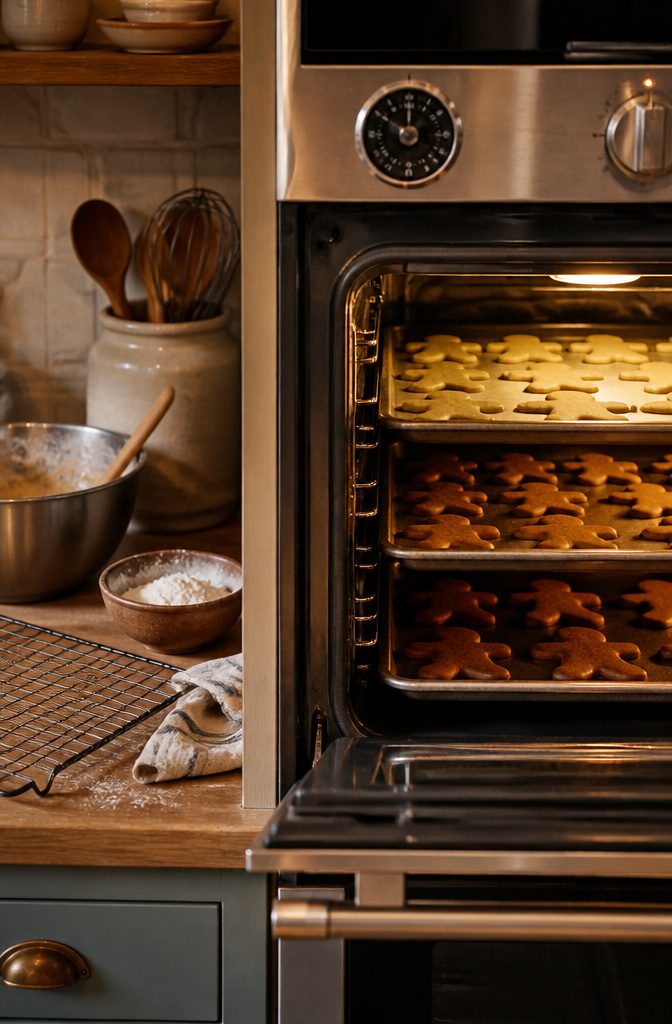
350°F is the standard for gingerbread, and it is the temperature I would start with every time.
A few recipes drop to 325°F for a softer, more cake-like center, but that 25°F difference is the whole reason one batch turns out crisp and another stays bendy. The timer matters just as much as the dial.
Small two-inch cutters need about 8 minutes; large four-to-five-inch shapes need 12. That four-minute span accounts for most of the texture variation you will find between recipes, more than any secret ingredient.
The surface should look matte, the edges set, and the center should still have slight give if you want chew. Pull them when the edges just begin to color; they finish setting on the hot sheet as they cool.
For a crisper snap, leave them in two minutes longer and let them darken. I always separate sizes onto their own sheets so nothing overbakes while I am waiting on the big gingerbread men.

Festive Holiday Treat – Stauffer’s Iced Gingerbread Cookies are the perfect blend of rich ginger flavor and a touch of sweet icing, making them a must-have treat for the holiday season.

3 PIECE GINGERBREAD MAN COOKIE CUTTER SET- Present our 3-piece popular gingerbread man shapes cookie cutter to Christmas cookies. Use it at Christmas party. Use the gingerbread man to create a happy Christmas story!

0G trans fat per serving
Icing and Decoration
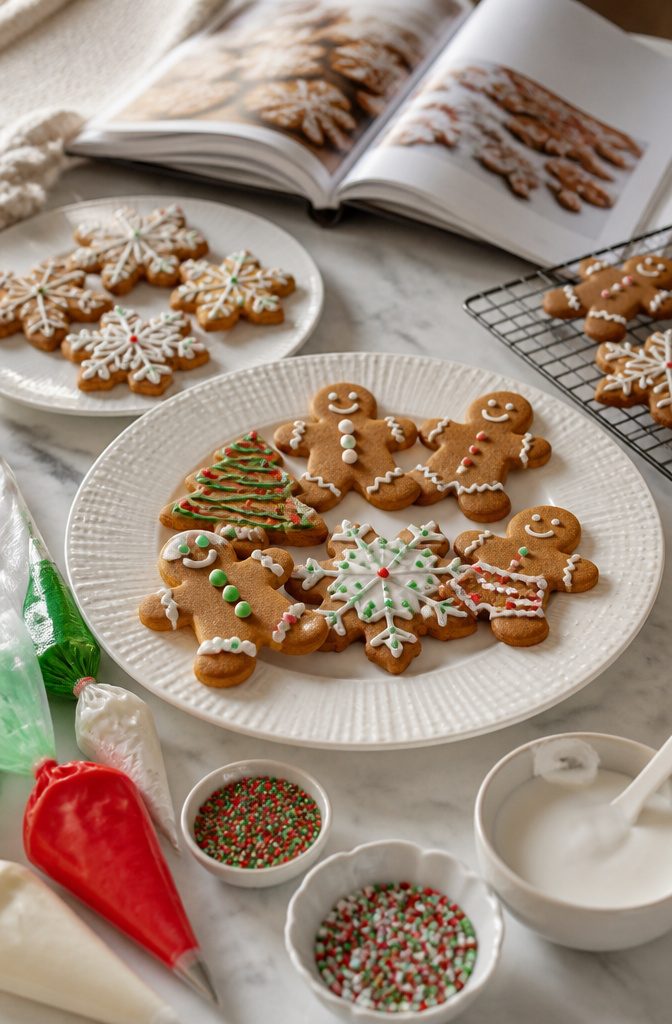
Royal icing gives you the control that makes gingerbread architecture possible.
Beat powdered sugar with either egg whites or meringue powder until the icing holds stiff peaks, a process that takes about 3 minutes in a standing mixer or 4 to 5 minutes with a handheld one.
The finished icing should flow from a piping bag but hold a clean line once it lands, drying hard enough to stack the cookies without smudging the design.
A simple powdered sugar glaze trades that durability for speed and a softer bite.
Thin it with lemon juice, water, or half-and-half until it runs to a smooth coat rather than standing in peaks. This is the faster route when you want something finished in an hour rather than overnight.
Either way, the cookies must be completely cool before you start; warm cookies melt the sugar and blur every edge you try to set.
Squeeze bottles work well for the glaze, while piping bags or even a snipped corner of a zip-top bag handle the thicker royal icing.
Candies and sprinkles go on while the surface is still wet so they adhere without extra glue.
Beat icing until it holds stiff peaks, about 3 minutes in a standing mixer or 4 to 5 minutes with a handheld. Stir in more water, 1 teaspoon at a time, to thin to desired consistency.
That timing is worth watching closely, because underbeaten royal icing weeps off the cookie and overbeaten icing pipes like caulk.


Premium Quality: 100 sheets of food-grade wax paper featuring festive gingerbreadman designs perfect for Christmas-themed baking and food presentation

Substitutions
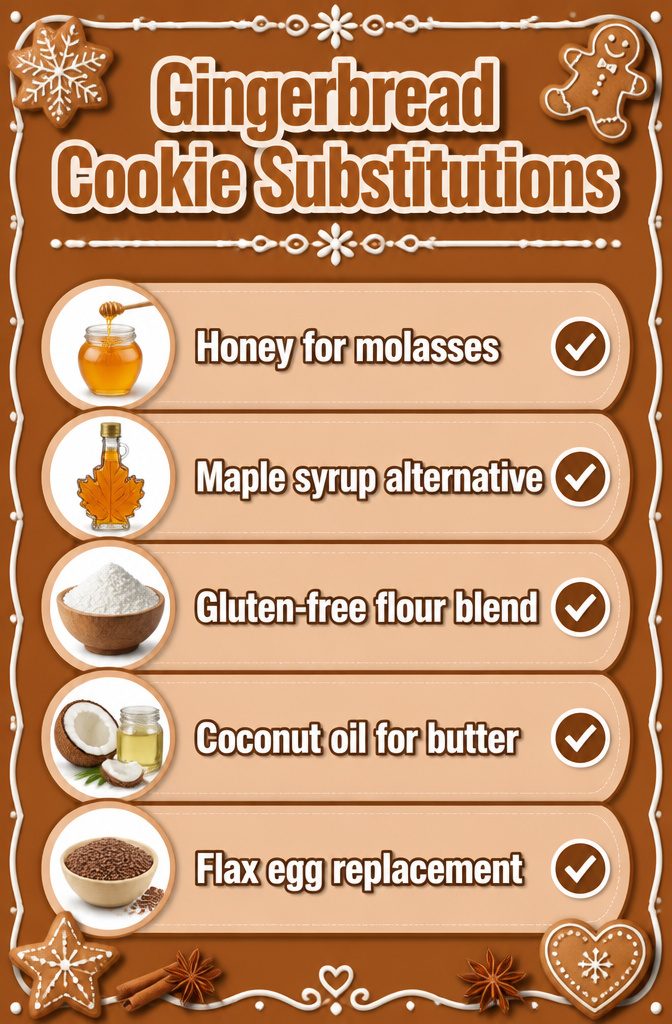
Molasses is what gives gingerbread its color and bitter edge, so swapping it changes the cookie more than most substitutions do. Each alternative acts a little different in the dough:
- Honey keeps the cookies soft but the flavor turns mild and the color stays pale. I consider this a different cookie entirely, not a straight swap.
- Maple syrup costs a lot more and its own sweetness competes with the spice blend. The result is pleasant but rarely worth the price unless you are building a specific flavor profile.
- A 1:1 gluten-free flour blend works structurally, though the bake softens faster than standard flour. Pull the tray 1–2 minutes earlier or the centers turn cakey.
- For a vegan version, coconut oil replaces butter and a flax egg replaces the egg. The dough holds together but the crumb turns fragile and the surface cracks differently. I have made these; they satisfy a dietary need without replicating the original texture.
None of these produce the cookie this recipe intends. They solve a problem in your pantry or your diet, and that is a fair trade, but the molasses version is the one I return to.

Food Grade Materials: Made of sturdy 0.4mm materials, ensure they will last for a long time.The top edge of the cookie cutters is wrapped in PVC material silicone, making it easy to tell the front and back of the cookie cutters, while protecting your fingers as you use them

CHRISTMAS COOKIE CUTTER PACKAGE: Cookie cutter set has 8 PCS gingerbread man cookie cutter shapes.

PERFECT CHRISTMAS DESIGNS WITH GIFT BOX: 18 different cookie cutter can be used to make christmas house/biscuit house/chocolate, why not celebrate the holidays with family by decorating a few houses and giving to your neighbors!
Flavor Variations
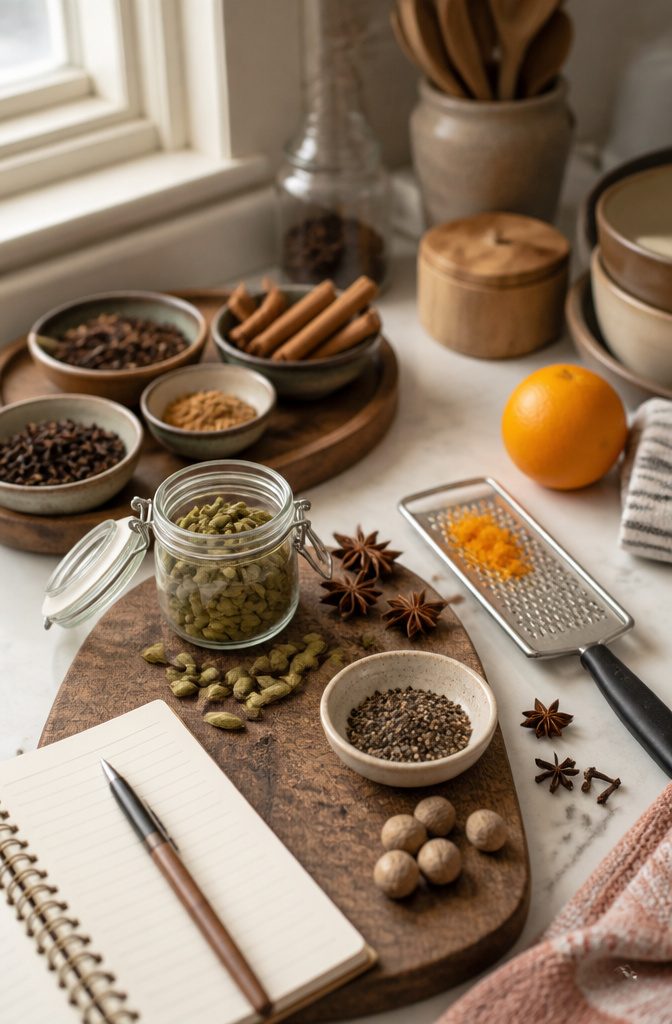
Cardamom is the variation most bakers already know, and it works here at ½ teaspoon to replace some of the ginger rather than pile on top of it.
The result is warmer, more floral, less predictable than the standard spice mix. Older recipes sometimes call for a pinch of black pepper, and I keep that addition in my own dough.
The heat does not read as peppery bite; it sinks into the molasses and reads as depth, another layer you notice only when it is missing.
Orange zest, about 1 teaspoon, does the opposite of hiding in the background. It brightens the whole profile against the heavy sweetness, though I use it sparingly because it can turn the cookie from gingerbread to orange-spice in a hurry.
These three are optional moves, not improvements on a classic that already holds up. The pepper is the one I would not skip.


RICH, AUTHENTIC MOLASSES FLAVOR – Golden Barrel Supreme Baking Molasses delivers a deep, robust Barbados-style flavor with the perfect balance of sweetness and richness for baking, cooking, and candy making.

Christmas baking design with a recipe card for gingerbread and a smiling gingerbread cookie, under warm red script and bold slab lettering. Grandma's Gingerbread Recipe.
Frequently Asked Questions
How long do you chill gingerbread cookie dough?
Chill the dough for at least 2 hours, or up to 3 days.
The wait firms the butter so cutters slice cleanly, lets the flour absorb the molasses and spices, and deepens the flavor past raw sweetness. If you skip it, the shapes spread into puffy amoebas in the oven.
What temperature do you bake gingerbread cookies?
Bake at 350°F. A few recipes drop to 325°F for softer centers, but that 25°F difference is what makes one batch crisp and another bendy. Start at 350°F every time; you control texture mainly through bake time and dough thickness.
How do you decorate gingerbread cookies?
Use royal icing for hard-drying precision that lets you stack cookies, or a simple powdered sugar glaze for speed and softer bite.
Either way, wait until cookies are completely cool or the icing melts and slides. Apply candies and sprinkles while the surface is still wet so they stick without extra help.
What are common mistakes in making ginger cookies?
Skipping the chill is the big one; warm dough spreads and clings to cutters. Overbaking turns every cookie hard as rock when you wanted chew.
Rolling too thin cracks the shape and dries the crumb. And decorating warm cookies melts the icing into a blurred mess.
What is the secret to soft gingerbread cookies?
Pull the tray at 9–10 minutes instead of 11, and roll the dough slightly thicker than 1/4 inch.
Two tablespoons less flour and an extra teaspoon or two of molasses keep the center tender. The centers finish setting on the hot sheet during the five-minute rest.
What is the best ever recipe for ginger cookies?
The one that gives you both textures from a single dough: molasses, brown sugar, butter, ginger, cinnamon, and cloves, chilled at least 2 hours, baked at 350°F. The snap and depth come from the same batch; you just adjust thickness and time for soft or crisp.
What is a super easy recipe for gingerbread?
Cream butter and brown sugar, beat in molasses and egg, mix in flour with ginger, cinnamon, cloves, baking soda, and salt. Chill 2 hours, roll, cut, bake 8–12 minutes at 350°F. No specialty ingredients, no candy thermometer, no stand mixer required.