You can keep an unfrosted cake on your counter for two to three days if you wrap it tight in plastic or use a cake dome.
Once you add frosting, your timeline changes significantly. Buttercream lasts two to three days at room temperature, but cream cheese, mascarpone, or fresh fruit fillings spoil in just two to three hours and need the fridge. Custards and curds always require chilling.
Dense fruit cakes or fondant-covered cakes may stretch to a week when sealed airtight. Watch for sour smells, sticky surfaces, or color changes as warning signs. The frosting type and ingredients you choose directly determine how long your cake will stay fresh.
How Long Unrefrigerated Cake Lasts: 2 Days (With Exceptions)
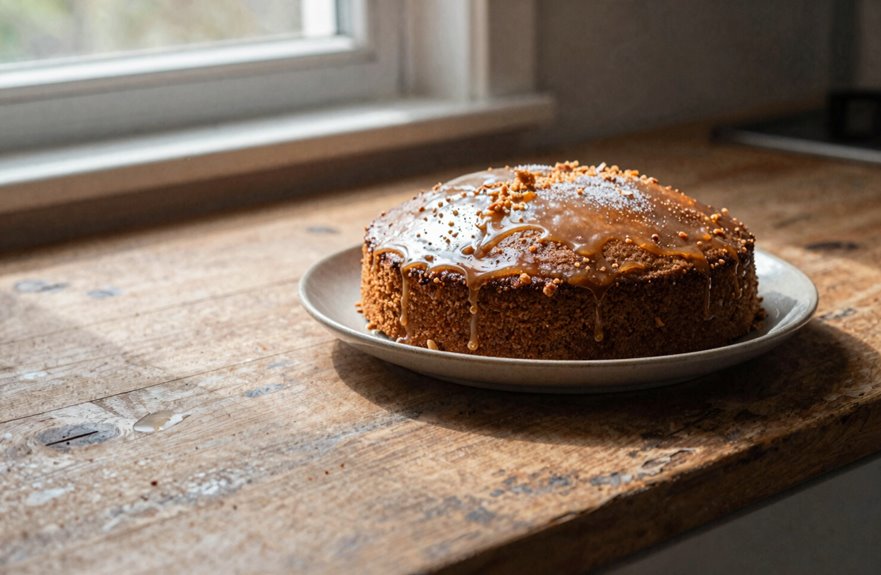
How long can you really leave cake out. You’ve probably wondered this after a party, staring at leftover slices on the counter. Most unfrosted cake lasts about two days at room temperature, but you’ve got to store it right. Keep yours under a cake dome or wrap it tight so air doesn’t sneak in and dry it out.
If you’ve frosted your cake, eat it within two to three hours unless you’ve used buttercream, which holds up longer but should still be covered. Fillings change the storage timeline. Dairy-heavy layers spoil faster, sometimes in just a day or two. When you need more than two days of storage, freeze your cake instead. Proper wrapping keeps it safe beyond the countertop limit without refrigeration.

Various Sizes for Your Needs: The cake dome covers come in 4 sizes,about 6", 8", 10", and 12" in diameter, with corresponding heights of about 2.5", 3.5", 4.5", and 4.7". Whether you need to hold small cupcakes or display various desserts, you'll find the perfect fit to make your creation the visual focus. Note: This set only includes domes, no bases

CLEAR CAKE DISPLAY: The transparent acrylic cake dome provides a clear view of cakes, pastries, cupcakes and other desserts while keeping them covered during serving or countertop display. The dome design helps create a neat and attractive presentation
Which Unrefrigerated Cakes Last Overnight vs. 2 Days vs. a Week
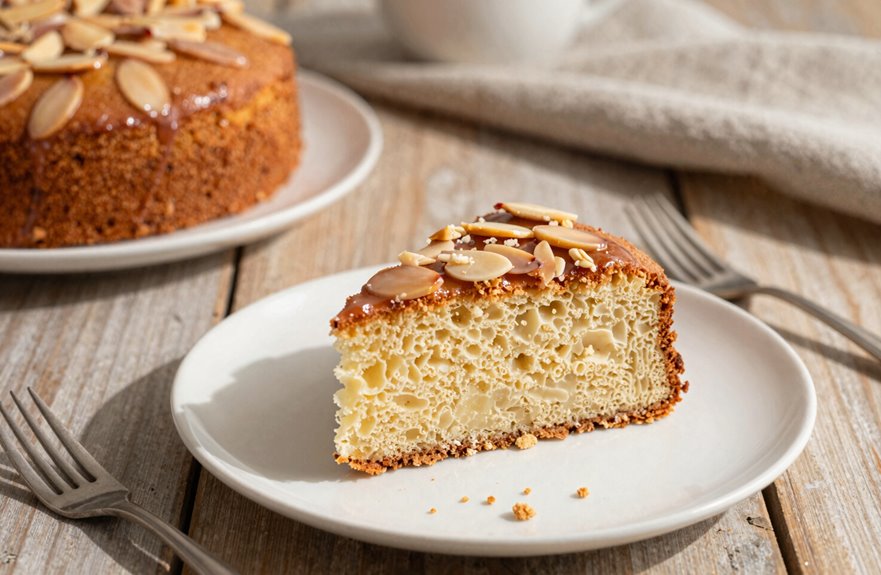
What separates a cake that’ll make it through the night from one that won’t? It’s all about what’s on top and inside.
You’ll want to steer clear of cream cheese or whipped cream frostings if you’re leaving cake out. These dairy-heavy toppings spoil fast, and you shouldn’t leave them unrefrigerated overnight. Stick with buttercream or ganache instead, but even those only hold up 2-3 hours at room temperature before quality drops.
For a full 2-day stretch, unfrosted cakes are your best option. Wrap them tight or use a cake dome, and they’ll stay moist and tasty. Beyond 3 days, the cake will become dry and stale.
For a week-long shelf life, you need dense, dry cakes sealed under fondant or airtight barriers. This is the only viable option for extended storage without refrigeration.

FOOD-GRADE MATERIAL: We put your health first, and made this cake carrier with food-grade PP material, ensuring you and your food stay healthy, fresh and safe for all your friends and family!

✅ FITS ANY 9 INCH CAKE: Fits 10 inch x 4 1/2 inch cake. Total size is 11.5 inches in diameter and 6 inches tall

Cake Transport Container: Our cake transport container have 3 secure side clamps lock that click firmly onto the tray, protect your cake or food safe
Cakes That Must Be Refrigerated: The Complete List
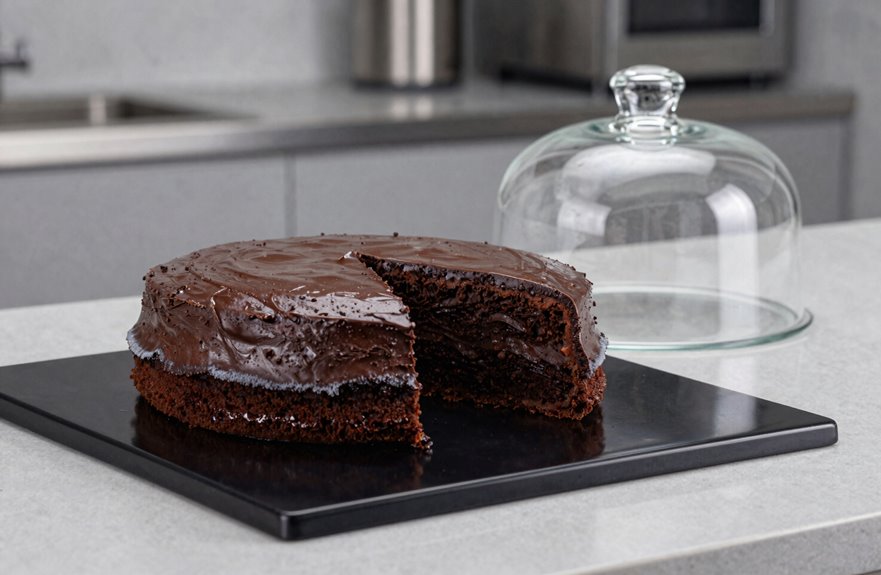
You’ll need to keep an eye out for three specific cake types that always require refrigeration. Cakes with dairy-based frostings like buttercream or cream cheese spoil quickly at room temperature, while fresh fruit fillings and creamy custards or curds create moist environments where bacteria thrive. When you spot these ingredients, plan to refrigerate your cake within two hours and enjoy it within four to five days, or freeze slices for longer storage.

READY-TO-USE CONVENIENCE: Save time and effort with pre-made buttercream that’s perfectly smooth and ready to spread, ideal for both quick projects and detailed cake designs.

A TRUE, BRIGHT WHITE — NO YELLOW TINT — A clean, pure-white buttercream for wedding cakes, all-white designs, and a bright base that keeps your colors true.

No Prep Needed – Skip the mixing! This premium buttercream is ready straight from the tub—perfect for busy bakers and last-minute decorating.
Dairy-Based Frostings
When you’re deciding whether your cake can sit out, the frosting type makes all the difference. Dairy-based frostings like cream cheese and buttercream need refrigeration to stay safe. Keep these cakes cold, not on your counter.
Cream cheese frosting spoils quickly at room temperature. After two to three hours outside the fridge, you risk food safety issues. Buttercream made with lots of butter or milk follows similar rules. Refrigerate the cake, and it will last four to five days.
Mascarpone-based frostings also demand immediate chilling. Even with refrigeration, consume dairy-heavy cakes within a few days for optimal flavor. Lighter dairy accents offer more flexibility, but rich frostings determine your storage needs.
Fresh Fruit Fillings
Fresh fruit fillings require refrigeration because fresh fruit spoils rapidly. You cannot leave these cakes at room temperature, as bacteria multiply quickly in moist fruit layers. Your cake becomes unsafe after just two hours outside the fridge.
When you skip refrigeration, these problems occur:
- Sliced strawberries weep pink juice into soft sponge layers
- Peach chunks turn brown and mushy against creamy frosting
- Berry juices pool at the plate’s edge, soaking the cardboard base
- The whole cake sags, its sides bulging with fermented sweetness
Refrigerate immediately and eat within two to three days. Room temperature storage allows bacterial growth that creates food safety risks and degrades the cake’s texture and appearance.
Custard and Curds
Why risk a ruined dessert when custard and curd cakes demand such simple care? You know that creamy, silky texture you love? It comes from eggs and dairy, and those ingredients spoil fast at room temperature.
Custard and curds belong in your fridge from the moment you slice them. Left out, bacteria multiply quickly, and you’ll notice the texture turning watery or smelling off. Keep these cakes cold, and they’ll stay fresh for two to three days. If you accidentally leave one sitting out past two to four hours, toss it—no exceptions.
Your guests deserve treats that taste great and keep everyone safe. Wrap custard cakes tightly, refrigerate promptly, and you’ll enjoy every bite without concern. Proper storage prevents bacterial growth that causes foodborne illness.
Unrefrigerated Cake Timelines by Type: From Sponge to Fruit Cake
How long can you leave that cake on the counter before it turns stale or unsafe? Your unrefrigerated cake shelf life depends on what you’ve baked.
How long can you leave that cake on the counter before it turns stale or unsafe? Your unrefrigerated cake shelf life depends on what you’ve baked.
- A simple sponge sits wrapped on your counter, soft and springy, for 2-3 days
- Moist fruit fillings weep into layers, cutting your window to 1-2 days
- Dense fruit cake, wrapped tight and tucked in shadows, lasts 3-4 days
- Frosted layers glisten under kitchen lights, waiting 2-3 days before turning
Check ingredients like a baker in your own kitchen community. Dairy-heavy fillings, cream cheese, or custard shorten your timeline fast. The most restrictive ingredient rules your cake’s fate. Wrap tightly, store away from sunlight, and verify freshness by smell and appearance before serving.

WHIPPED FROSTING: A delicious artificially flavored cream cheese frosting with a light, airy texture; Great for icing baked goods such as cakes, cupcakes, and cookies

One 16 oz can of Duncan Hines Creamy Cream Cheese Frosting

Eight 14 oz cans of Duncan Hines Whipped Cream Cheese Frosting
Buttercream vs. Cream Cheese: How Frosting Changes Your Timeline
You need to pay attention to what’s on top of your cake, because the frosting you choose affects how long you can leave it out. Buttercream lasts longer at room temperature, about two to three days, while cream cheese frosting spoils faster due to its dairy content. If you’re dealing with warm conditions, don’t leave any frosted cake out for more than two to three hours to keep it safe.

SET INCLUDES: Two stackable cake containers designed for convenient storage and transportation of cakes, pies, and other baked goods SECURE STORAGE: Locking handles ensure...
Dairy Content Impact
What kind of frosting sits on your cake? That simple question changes everything about how long you can safely leave it out. Buttercream gives you breathing room, staying fresh for two to three days without refrigeration. Cream cheese frosting demands more attention, spoiling overnight and limiting your safe window to just two or three hours.
- Smooth buttercream glistening under kitchen lights, holding its shape through afternoon heat
- Cream cheese frosting softening at the edges, turning slick and heavy as minutes pass
- Your fork cutting through fluffy buttercream that still tastes like morning
- Sour smells creeping from cream cheese left too long on the counter
Dairy-heavy frostings invite bacteria faster than you think. Cream cheese frosting can develop harmful bacteria within two to three hours at room temperature, while buttercream remains stable for days due to its lower moisture content. Choose your frosting based on how long your cake will sit unrefrigerated.
Room Temperature Limits
Where exactly should you set that cake before the party starts? You need to know your frosting first. Buttercream cakes sit safely on your counter for about two days, maybe three if you cover them tight. Cream cheese frosting requires refrigeration, and you shouldn’t leave it out past two or three hours. Dairy-heavy frostings spoil fast, so keeping them cold protects your guests. Cover buttercream with a cake dome or plastic wrap to keep it moist and fresh. Without the cover, your timeline shrinks significantly. If you choose cream cheese for that tangy taste, monitor the time carefully. Store your cake properly, and it will be the centerpiece everyone remembers.
Already Baked With Liquid Milk? What Changes (And What Doesn’t)
How quickly does a cake turn when you’ve swapped water for real milk in the batter? You’re looking at a shorter window for room temperature stability. Cakes with liquid milk stay fresh about 2–3 days unfrosted, but dairy-heavy frostings cut that to 2–3 hours.
- You slice through tender crumb, and cream cheese frosting glistens in morning light.
- Your fingers detect a faint sour note before your nose confirms it.
- Powdered sugar dust settles on a countertop where buttercream softens too fast.
- You wrap leftovers with extra care, knowing tomorrow brings risk.
For longer storage, you can swap liquid milk with powdered milk or non-dairy options. This simple switch extends your cake’s safe holding time well past the standard 2–3 day mark.

Overall sizes: 9.6"dia 5.5" H. Inner Size: 9.25"dia 4.13" H

Size: 11*11*5.9 inches(includes handle), handle height: 1.57 inches

The acrylic cake plate measures 13" D * 5.5" H, the height with dome: 7". We recommend for cake under 11.5" D * 4.5" H. Shatterproof acrylic dome is great for indoor or outdoor use, also nice decorative items at home. Easy to carry and easy to clean.
5 Signs Your Unrefrigerated Cake Has Gone Bad
When does a cake cross the line from treat to trouble? You’ll spot the signs of spoilage quickly once you know what to watch for.
First, check your nose. If you catch a sour or off smell, your cake has turned. Second, scan for visible mold. Any fuzzy spots mean it’s time to toss it. Third, feel the texture. A dry, crumbly cake that wasn’t that way before signals it’s past its prime. Fourth, check your dairy-heavy frostings. Buttercream with milk, cream cheese, or custards spoil faster and need refrigeration after two to three hours. Fifth, mark your calendar. Unfrosted cakes last two to three days at room temperature; frosted ones last just two to three hours. When in doubt, don’t risk it. Throw it out.

✅EASILY FITS ANY 9 INCH CAKE: Total size is 11.5 inch diameter 6 inch high. White stand has 11 inch diameter. Big enough to fit most 10 in cakes
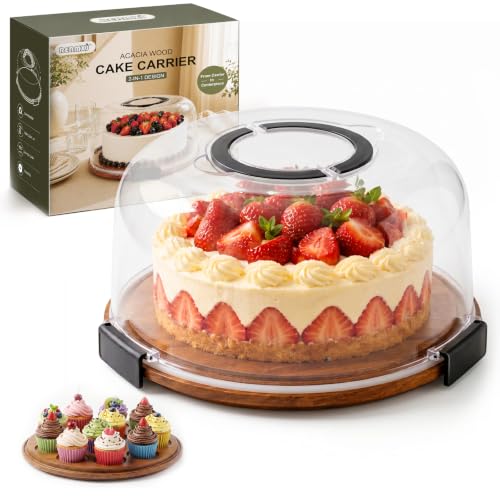
ELEGANT ACACIA WOOD CAKE HOLDER DISPLAY – Let your cake take center stage. The crystal-clear dome beautifully showcases every detail while keeping your dessert covered. The cake holder is perfect for Birthdays, Dinners, Holidays, and special gatherings

Place your freshly baked Bundt cake inside, set the cover on top, and twist to lock the cake safely inside
How to Wrap and Seal Cake for Room Temperature Storage
Knowing when to toss a cake is only half the battle. You also need to store it right from the start. Once your cake cools completely, wrap it tight to lock in moisture. You can use a cake keeper, a glass dome, or plastic wrap pressed snug against every surface. If you’ve already sliced it, press the wrap directly onto the cut sides first, then seal the rest. This keeps your cake soft and fresh for 2–3 days at room temperature.
For frosted cakes with buttercream or ganache, wrap or cover them airtight. When your cake has fillings like lemon curd, store it based on that ingredient’s needs.
- Feel the smooth plastic cling to your cool cake layers
- Hear the soft crinkle as you press wrap against exposed crumb
- See your frosted creation slide safely under a clear glass dome
- Smell vanilla and butter still rich two mornings later

Swiss-meringue style buttercream with a silky, high-gloss finish and light vanilla flavor — softer, smoother and less sweet than traditional American frosting

READY-TO-USE CONVENIENCE: Save time and effort with pre-made buttercream that’s perfectly smooth and ready to spread, ideal for both quick projects and detailed cake designs.

EASY – Only water and butter needed to whip up an irresistible frosting
Home Bakers Who Leave Cake Out a Week: Their Setup and Risks
Why do some home bakers leave their cakes out for a full week? You’re joining a community that pushes cake storage limits through careful recipe choices. Cynthia Gift keeps her creation on the table seven days by skipping liquid milk entirely. Obinna-Nnari Waazor Happiness stretches countertop expiration even further using powder milk as a hidden asset. This approach carries real risks. Your kitchen’s warmth and humidity speed up spoilage you cannot always see or smell. Most bakers in your circle report safer results at three to six days. When you experiment with extended room temperature keeping, you’re betting on stable ingredients and cool, dry air. Watch for sticky surfaces, off smells, or color changes. These visible signs indicate when a cake has degraded beyond safe consumption.

CREAM CHEESE FLAVORED FROSTING: A delicious artificially flavored cream cheese frosting; Goes great with baked goods such as cakes, cupcakes, and cookies

One 16 oz. can of Duncan Hines Dolly Parton's Favorite Chocolate Buttercream Flavored Cake Frosting

GLUTEN FREE FROSTING: Bake a delicious dessert and top with this cream cheese frosting that will make your favorite cupcake or cake even sweeter
Powder Milk and Other Tricks That Add 3-4 Days of Shelf Life
Powder milk gives you a simple way to stretch your cake’s shelf life without much fuss. You swap it for liquid milk, and you cut down on water that lets bacteria grow. Your cake stays moist but safer, giving you 3–4 extra days on the counter. Some bakers even push a full week when the recipe and room cooperate.
- You tear open a foil packet of powder milk, smelling that faint sweetness before you stir it in.
- You wrap your cooled cake in plastic, pressing out every pocket of air for a tight seal.
- You set it on a shelf away from sunlight, in the cool, stable air around the pan.
- You slice on day five, finding the crumb still soft and the flavor holding steady.
Pair powder milk with airtight wrapping, and you extend your cake’s shelf life by several days through reduced moisture and bacterial growth.