
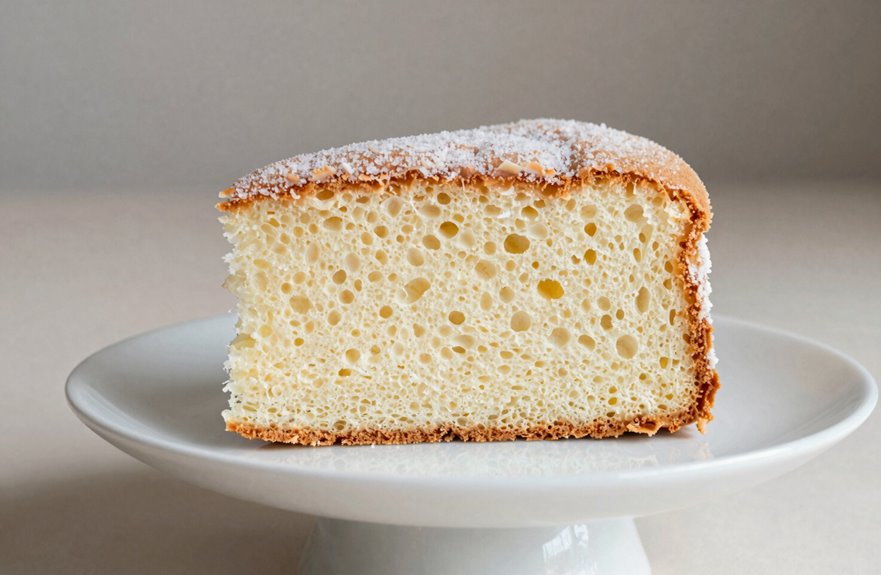
Angel food cake isn’t naturally sugar-free, but you can bake one using substitutes like monk fruit or erythritol blends. You’ll need to adjust your technique because sugar helps egg whites stay tall and stable. Whip 12 egg whites with ¼ teaspoon cream of tartar until stiff, glossy peaks form, then fold in your sweetener and flour gently. Bake at 350°F for 40–45 minutes in an ungreased tube pan, and cool it upside down for at least an hour to keep its height. The swap cuts carbs from 29 grams to about 6 grams per slice. Sugar substitutes require careful measurement and folding to maintain the cake’s light, airy texture without collapsing the meringue structure.
Is Angel Food Cake Naturally Sugar-Free?
Why do so many people wonder if angel food cake is inherently sugar-free? You might think its airy, white appearance means no sugar hides inside, but you’re not alone in that guess. Traditional angel food cake actually contains plenty of granulated sugar, which helps the egg whites stay fluffy and tall. You can bake a sugar-free angel food cake by swapping in sugar substitutes like monk fruit. Monk fruit works because it’s 150–200 times sweeter than regular sugar, so you use less. You’ll need to adjust your recipe slightly, since sugar substitutes don’t behave exactly like sugar in the oven. Your cake can still rise beautifully with monk fruit, but you’ll want to fold gently and possibly add a pinch of xanthan gum for extra stability.

BESTI TASTES & ACTS LIKE SUGAR, WITH NO AFTERTASTE. You don't have to miss sugar anymore! Our monk fruit sweetener without erythritol tastes, measures, and bakes just like sugar. Unlike other brands that contain erythritol, our monk fruit sugar with allulose dissolves easily, browns and caramelizes like sugar, makes your baked goods moist, won't crystallize, and doesn't have a cooling sensation.

TASTES JUST LIKE BROWN SUGAR: Enjoy the same rich, caramel-like flavor of traditional brown sugar without the calories or glycemic impact. Lakanto Brown Monkfruit and Erythritol Sweetener is a 1:1 substitute, offering a delightful sweetness to your favorite baked goods, beverages, and more

Cooking and Baking Applications: White sugar substitute that works well for cookies, coffee, desserts, and other sweet, sugar-free treats. Tastes, bakes, and cooks like sugar. Made with only monk fruit sweetener and erythritol
Why Sugar-Free Versions Need Special Techniques
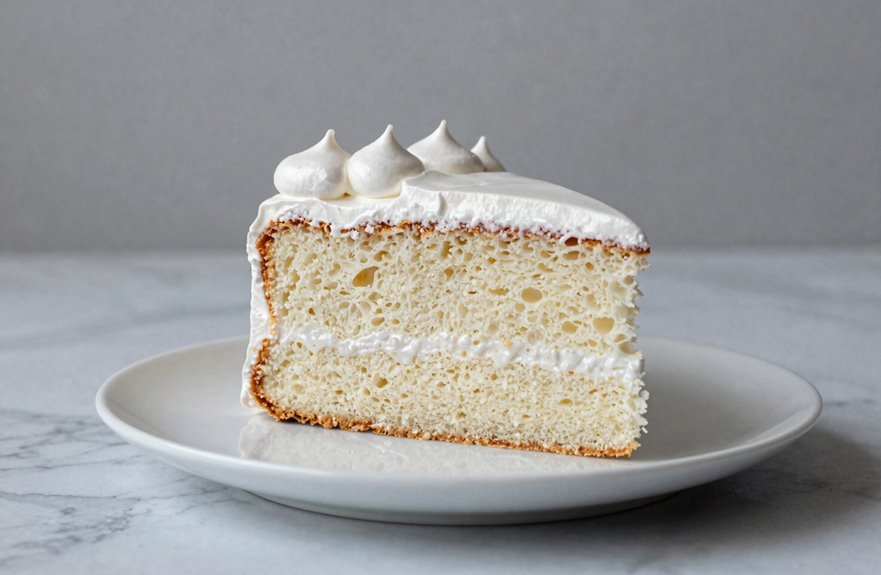
Swapping out sugar sounds simple, but your angel food cake won’t cooperate without some know-how. Many home bakers face the same challenge when they first try sugar-free baking.
Sugar does more than sweeten; it stabilizes your meringue and helps your egg whites hold their shape. When you use a sugar substitute, you lose that natural scaffolding. Your foam becomes fragile, and your cake might collapse.
You’ll need to whip those egg whites to stiff, glossy peaks. Think of a shaving cream texture, achieved in about 5-7 minutes on medium-high speed. Add cream of tartar (¼ teaspoon per cup of whites) to boost stability. Fold your dry ingredients gently with a rubber spatula, turning the bowl a quarter turn each stroke. Stop when you see no more flour streaks.


ZERO CALORIE & ZERO NET CARB - Keto sweetener that tastes and bakes like sugar.

THE SWEETENER YOU LOVE, NOW IMPROVED – Made with USDA Organic stevia and organic allulose, our blend is a clean-tasting sugar alternative without bitterness or aftertaste.
Best Sugar Substitutes for Angel Food Cake
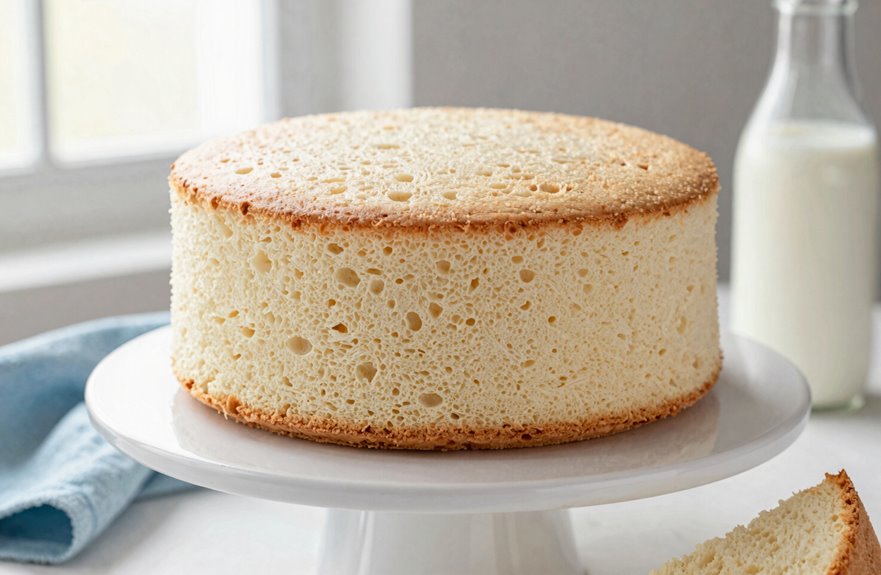
What sugar substitute should you reach for when you’re ready to bake? You’ve got solid options that’ll keep your cake light and sweet.
- Erythritol blends like Swerve measure cup-for-cup and brown nicely
- Monk fruit packs intense sweetness, so you’ll use less and stay zero-calorie
- Splenda or Stevia work too, but check they’re heat-stable for baking
When you’re working with sugar substitutes, you’ll need cream of tartar to help those egg whites stand tall and stiff. The acid stabilizes the foam you’re building. Then fold the egg whites into your batter with a light hand, turning the bowl slowly so you don’t knock out the bubbles you worked so hard to create. This technique produces the fluffy texture that defines angel food cake.

Delicious & Fluffy – Enjoy a light and fluffy angel food cake with a taste so delicious, no one will know it’s gluten-free! Perfect for any occasion, this cake will delight your family and friends.

CAKE MIX: Bake a delicious, fluffy angel food cake dessert; Just follow the simple steps on the box to add water, mix together, and bake

WHEY ISOLATE & MICELLAR CASEIN PROTEIN BLEND: Combines fast-digesting whey isolate with slow-release micellar casein to provide sustained fuel for muscle recovery, satiety, and an active lifestyle.
How Monk Fruit Works (And When to Use It)
Monk fruit comes from a small green melon that grows in Southeast Asia, and it’s about 150 to 200 times sweeter than regular sugar. When you swap it into recipes, you’ll need just a tiny amount; usually one teaspoon of monk fruit replaces one cup of sugar. Check your product label carefully, since different brands vary in strength, and you’ll often get better results by mixing monk fruit with erythritol for baking.

Xanthan Gum is a popular food additive that’s commonly added to foods as a thickener or stabilizer.

PRE-MEASURED 1.5 G SACHETS: Each of the 100 sachets holds 1.5 g (0.05 oz) of xanthan gum, so you can add a set amount without weighing.
Monk Fruit Origins
Where does monk fruit actually come from? You’ll find its roots in southern China, where locals have treasured Luo Han Guo for centuries. Monk fruit serves as a zero-calorie sweetener option for sugar-free baking.
What makes monk fruit useful in your kitchen:
- You crush and dry the fruit into granules, keeping all the sweetness without the calories
- You get intense sweetness that’s 150-200 times stronger than sugar, so a little goes far
- You blend it with friends like erythritol or allulose to balance its power
Many bakers notice a slight aftertaste and adjust their recipes by adding a touch of xanthan gum for texture. Bakers within this community experiment, adapt, and share what works.
Sweetness Conversion Guide
How do you swap monk fruit for sugar without ruining your cake? You’ll need to nail your monk fruit substitution, since this stuff packs 150–200 times more sweetness than regular sugar. In sugar-free baking, you can’t just swap cup for cup and hope for the best.
For sweetness conversion, start small. Try one-quarter teaspoon of pure monk fruit extract for every cup of sugar your recipe calls for. You’ll likely need bulking agents like erythritol or allulose to fill the gap and keep your texture right.
When you’re making angel food cake, this matters significantly. The cake needs structure, but too much monk fruit leaves a weird aftertaste. Test tiny amounts, taste as you go, and adjust until you find your ideal ratio.
Does Sugar-Free Angel Food Cake Taste Different?
When you swap sugar for monk fruit in angel food cake, you’ll notice some differences in taste and texture, but they’re often subtle. You’re relying on whipped egg whites to create that cloud-like structure you love, and monk fruit keeps things light while cutting sugar. Some batches carry a metallic aftertaste, especially if you use too much, so you’ll want to watch your measurements.
Swapping sugar for monk fruit in angel food cake brings subtle changes—light texture stays, but watch the dosage to avoid metallic hints.
- You’ll taste monk fruit more strongly in some bites, but a dollop of whipped cream smooths it out.
- Many bakers find that using half monk fruit and half real sugar fixes flavor balance.
- You’ll still get that airy, tender crumb that makes angel food cake special.
When you bake with proper measurements and technique, the differences between sugar-sweetened and monk fruit versions become minimal.
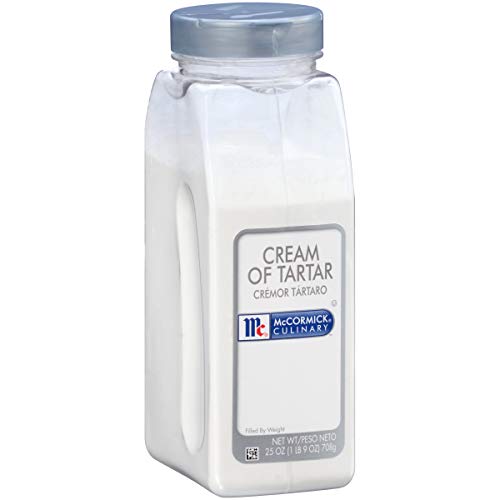
VERSATILE: McCormick Culinary Cream of Tartar is a dense powder offering multipurpose use to bring versatility and quality to any baker's pantry

Brought to you by Whole Foods Market
Step-by-Step: Making Sugar-Free Angel Food Cake
Why bake your own sugar-free angel food cake at home instead of buying store-bought? Thousands of home bakers have found this method straightforward.
First, whip your egg whites until stiff, glossy peaks form. This step builds the cake’s airy structure and shouldn’t be rushed. Slowly fold in monk fruit, measuring carefully using the label’s conversion chart instead of regular sugar. The sweetness stays true, and your cake keeps that classic delicate crumb.
Gently incorporate flour and your favorite extract. Vanilla, lemon, or almond work well. The batter stays light and pale, almost like soft clouds. Spoon it into an ungreased tube pan, then slide it into a 350°F oven for 40–45 minutes. The cake will rise tall and golden while baking. Cool it upside down, and you’ve completed a homemade cake with superior texture and taste to most store versions.
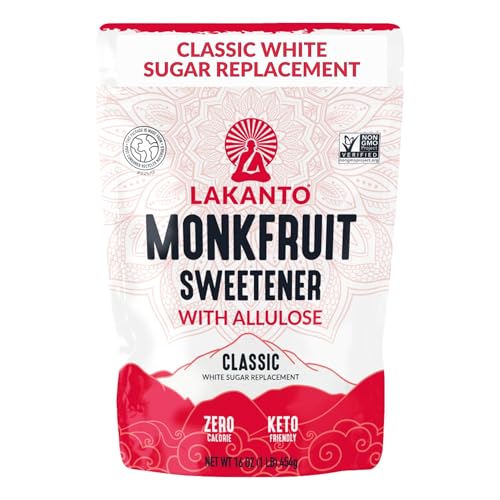
ALLULOSE INFUSED SWEETNESS WITHOUT THE SUGAR: Lakanto Monkfruit Sweetener without erythritol is your next sugar substitute, offering a texture and taste remarkably similar to sugar without any calories. This sweetener dissolves quickly in liquids, keeps baked goods moist, and delivers the sweetness you crave, all in a convenient 1 lb bag

BESTI BROWN TASTES & ACTS LIKE BROWN SUGAR, WITH NO AFTERTASTE. You don't have to miss brown sugar anymore! Our brown monk fruit sweetener without erythritol tastes, measures, bakes, smells, and is moist just like brown sugar. Unlike other brands that contain erythritol, our brown monk fruit sugar with allulose dissolves easily, browns and caramelizes like sugar, won't crystallize, isn’t dry, and doesn't have a cooling sensation.

ZERO CALORIE & ZERO GLYCEMIC: Lakanto's Powdered Monk Fruit and Erythritol Sweetener offers a deliciously sweet experience without the calories or glycemic spikes of traditional sugar, suitable for anyone looking to reduce sugar intake while still enjoying the sweetness of their favorite treats
Equipment That Makes or Breaks Your Cake
Your batter looks perfect, but the wrong pan can ruin everything before you even start. You need a tall angel food pan with a removable bottom. This shape lets air circulate so your cake climbs high and releases cleanly.
What separates home bakers who struggle from those who succeed:
- Whip your egg whites with cream of tartar until stiff peaks form, then fold gently in three batches so you don’t lose that precious air
- Skip the grease on your angel food pan, but add parchment lining to the bottom if you’re nervous about sticking
- Cool your cake upside down on a cooling rack for at least one full hour. Gravity keeps it tall and fluffy
Using the right tools produces consistent, successful results every time.

THE SWEETENER YOU LOVE, NOW IMPROVED – Made with USDA Organic stevia and organic allulose, our blend is a clean-tasting sugar alternative without bitterness or aftertaste.

Zero Calorie, Zero Glycemic Impact: This sweetener blend of erythritol and monk fruit contains no calories or net carbs and won’t cause glucose spikes-ideal for low-glycemic and carb-conscious lifestyles.

CUP FOR CUP LIKE SUGAR: 1 teaspoon of Sugarless equals 1 teaspoon of sugar and 1 cup equals 1 cup, so swapping in recipes takes no math.
What to Serve With Sugar-Free Angel Food Cake
How do you turn a simple slice of cake into something special? Gather your favorite people and build a dessert that everyone can enjoy together.
Start with your angel food cake as the base. Add sugar-free toppings like whipped topping from a can, and pile on fresh berries such as strawberries, blueberries, or raspberries. The colors pop against the white cake.
Try warm fruit compote on top, or spoon fresh peaches and citrus segments alongside. A drizzle of sugar-free syrup adds sweetness without guilt.
For serving suggestions, pair your cake with a creamy mocha latte or a Biscoff latte. The warm drink balances the cool cake.
You’re creating moments that include everyone, no matter their dietary needs. Set the table, pass the plates, and dig in together.

Included - One 16 oz box of Duncan Hines Signature Perfectly Moist Angel Food Cake Mix

Keto Friendly and 0g Net Carbs Per Cupcake: Scotty's Everyday low carb keto Cake mix is completely keto & gluten free, with zero sugar, zero net carbs and only 90 calories per serving, so you can stop counting and start indulging in your favorite keto desserts & sweets, guilt free.
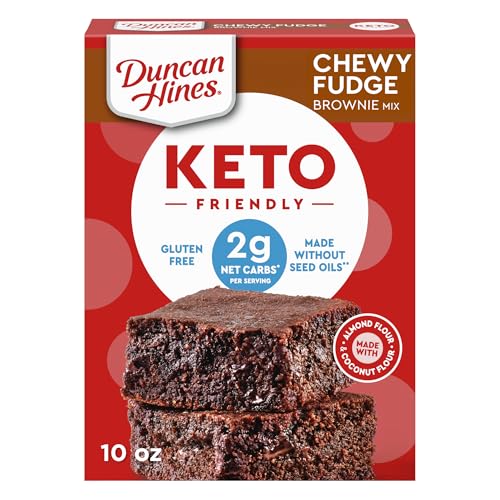
What You Get: One 10 oz. box of Duncan Hines Keto Friendly Chewy Fudge Brownie Mix
How to Store and Freeze Your Cake
Since you’ve baked a beautiful cake, you’ll want to keep it fresh as long as possible. Proper angel food cake storage starts with cooling it upside down on a rack for at least one hour. You’ll maintain that fluffy texture by keeping moisture away and minimizing air exposure.
To protect your creation:
- Store at room temperature in an airtight container for two days, or refrigerate for up to five days
- Try freezing individual slices wrapped in plastic then foil; thaw overnight in the refrigerator
- Cool completely before covering to ensure deflation prevention works
When you’re ready to enjoy, bring slices to room temperature or warm them in a 300°F oven for five minutes. Proper storage and handling techniques preserve the light, sweet quality of your cake.
What Causes Sugar-Free Cakes to Collapse?
You need to keep your egg whites stable and fold gently. Cool the cake upside down so it doesn’t collapse. If you overmix or undermix those whites, you’ll lose the airy structure that holds everything up. A proper tube pan and at least an hour of inverted cooling will lock in the height you’re looking for.

Minimalist Cream of Tartar in a resealable bag

Pure Original Ingredients Cream of Tartar is a restaurant quality stabilizing agent

Unpretentious Baker Potassium Bitartrate
Egg White Stability
Why do sugar-free angel food cakes often sink in the middle? You’re likely dealing with unstable egg whites. When you whip egg whites, you’re building tiny air bubbles that hold your cake up. Without sugar’s stabilizing help, you’ve got to be extra careful.
Here’s what keeps your foam strong:
- Add 1/4 teaspoon cream of tartar per egg white to strengthen the structure
- Beat until stiff peaks form; tips should stand straight up when you lift the beaters
- Stop immediately when you reach stiff peaks, as overbeating makes whites grainy and weak
Fresh egg whites whip taller than carton varieties with additives. Once you’ve got that glossy, stable foam, you’re ready for the next step. Your careful attention to these details determines whether you’ll have a tall, proud cake or a sunken one.
Folding Technique Matters
Once you’ve got those glossy, stable egg whites, you face another challenge ahead. You’re folding flour into those airy clouds, and one wrong move brings deflation fast. Work in three small batches, not all at once. Cut your spatula through the center, scrape the bottom, and turn the bowl a quarter. Repeat gently. You’re not stirring soup; you’re coaxing friends together. Overmixing pops your precious air pockets, and undermixing leaves flour lumps that weigh things down. Sugar substitutes like monk fruit make this trickier since they don’t stabilize the foam like real sugar does. Your batter needs extra care and extra patience. Stop when you see no more white streaks. The mixture should look light and pillowy, prepared for baking in an ungreased pan.
Cooling Process Importance
How exactly does a perfectly risen angel food cake turn into a flat, sad disk? You’ve built that delicate air structure with care, but one wrong move during cooling and deflation strikes fast. Gravity becomes your enemy the moment you pull your angel food cake from the oven.
To protect your creation:
- Flip that tube pan upside down immediately, letting the cake hang suspended for at least one full hour
- Use an ungreased pan with a removable bottom so the cake grips the sides while cooling
- Wait completely before loosening to prevent collapse
Your cooling method preserves millions of tiny air pockets. Rush this step, and you’ll watch your hard work shrink before your eyes. Following this process produces cloud-like perfection every time.
Why Sugar-Free Cakes Stick More (And How to Prevent It)
Where exactly does your sugar-free angel food cake get stuck? Usually, it’s the tube pan’s sides and bottom. This is a common frustration.
Sugar-free recipes rely on egg whites for structure, but without real sugar, you lose natural moisture and binding. Your whipped whites need extra help with stabilization, so cream of tartar becomes essential. Add ¼ teaspoon per two egg whites, beating until stiff peaks form.
Sticking happens because sugar substitutes like monk fruit don’t caramelize or create the same tender crust. The cake surface stays tacky, gripping the pan. Grease won’t help; angel food cake needs to climb ungreased walls.
Prevent sticking by cooling your sugar-free angel food cake upside down for at least 90 minutes. Use a pan with removable bottom and loosen edges with a thin knife before releasing.
Sugar-Free vs. Regular: Nutrition and Texture Compared
You’ll notice right away that sugar-free angel food cake cuts your calories roughly in half, dropping from about 130 to 50 per slice while slashing carbs from 29 grams down to just 6.2. The texture stays surprisingly light and fluffy when you whip those egg whites to stiff, glossy peaks and fold them gently with monk fruit or erythritol, though you might detect a slight cooling sensation or aftertaste depending on which sweetener brand you choose. If your cake seems denser than expected, try adding a pinch of xanthan gum or switching sweetener brands, since some readers find erythritol blends create a more traditional airy crumb than straight monk fruit.
Calorie and Carb Comparison
Why does swapping sugar change your cake so much? You’re not just cutting sweetness; you’re reshaping the entire nutrition profile. Sugar substitutes like monk fruit or erythritol slash calories and carbohydrates dramatically, but you’ll notice nutrition variation between recipes.
- Regular angel food cake packs about 130 calories and 29 grams of carbs per slice
- Your sugar-free version drops to roughly 50-66 calories with just 6 grams of carbs
- Protein stays similar around 4-5 grams, keeping that fluffy structure you want
When you bake with Swerve, Splenda, or granulated monk fruit, you’re working with sweeteners that won’t spike blood sugar. Different brands measure differently, so check your labels and adjust sweetness to taste.
Texture and Rise Differences
Picture your fork sinking through a cloud. That’s the angel food cake dream you’re chasing, sugar-free or not. You whip egg whites until they form stiff, glossy peaks, building the air that gives your cake its lift. When you swap in a sugar substitute, you’re trading granulated sugar’s moisture-locking power for something new. Some substitutes, like erythritol or monk fruit, need extra help. You’ll add cream of tartar for stabilization, keeping those bubbles strong. Your rise depends on gentle folding and full egg white volume, not sugar itself. Watch out, though. Too much substitute or the wrong kind can flatten your cake or leave a strange aftertaste. With practice, you’ll nail the fluff and structure that makes every bite achieve the light, airy texture you’re after.
Store-Bought Sugar-Free Angel Food Cake: Worth It?
So you’re wondering if store-bought sugar-free angel food cake is actually worth your money. Many home bakers feel frustrated when they can’t find reliable sugar-free options that taste like the real thing.
Store-bought sugar-free angel food cake rarely satisfies home bakers searching for that authentic, airy sweetness without the sugar.
Hill & Valley offers a popular choice with two 9-ounce cakes per package. The pricing sits at $29.50 online, which feels steep until you consider what you’re getting. Consider these factors:
- You get free shipping and 30-day returns if you’re unhappy
- The 4.7-star rating from 27 buyers shows most people feel satisfied
- You can freeze leftovers, so nothing goes to waste
Check labels carefully though. This angel food cake contains egg, soy, and wheat. Some versions may touch nuts or dairy during production. Refrigerate or freeze your cake to keep it fresh longer.
Quick Fixes for Common Sugar-Free Baking Problems
You can prevent a dense texture by whipping fresh egg whites to stiff peaks and folding your dry mix gently in three small batches. If your crumb turns out dry, try adding one extra egg white or reducing bake time by three to five minutes, since sugar substitutes absorb moisture differently than regular sugar. Balancing sweetness takes trial and error. Start with three-quarters of the substitute amount your recipe suggests, then taste and adjust before baking.
Preventing Dense Texture
The biggest challenge with sugar-free angel food cake is keeping it light and fluffy, since sugar plays a major role in creating that airy texture. This struggle is common, and with a few smart moves, you’ll succeed.
What works:
- Whip your egg whites to stiff, glossy peaks with cream of tartar for extra stability and maximum air
- Pulse and sieve your dry ingredients three times so they blend smoothly without weighing things down
- Fold in three gentle batches, stopping the second the flour disappears
Skip the greased pan, as it will drag your cake down. Instead, use an ungreased tube pan, bake until golden, then flip it upside down to cool completely. This traps the air you’ve worked so hard to build, producing the cloud-like crumb you’re aiming for.
Fixing Dry Crumb
Why does your sugar-free angel food cake sometimes feel more like a sponge than a cloud? You’re not alone in this struggle, and the fix is simpler than you’d think.
Dryness usually sneaks in when your sugar-free substitutions lack moisture-retaining power. You can rescue your crumb by choosing granular sweeteners like erythritol instead of liquid ones, and by folding citrus zest or extra vanilla into your whipped egg whites. Your angel food cake pan matters too. Cool it upside down so the airy structure sets without collapsing.
| Problem Spot | Quick Check | Your Fix |
|---|---|---|
| Crumbly texture | Egg whites over-beaten? | Stop at stiff, glossy peaks |
| Dry mouthfeel | Missing moisture boosters? | Add zest or vanilla extract |
| Heavy center | Pan prep wrong? | Use ungreased, cool upside down |
Balancing Sweetness Levels
How can you tell if your sugar-free angel food cake tastes sweet enough without going overboard? You start by understanding your sugar substitutes. Monk fruit packs 150–200 times the sweetness of sugar, so you’ll use far less. Too much creates an aftertaste, while too little leaves your cake bland.
- Test your batter with a tiny spoonful before baking; adjust if it tastes flat
- Pair mild sweetness with toppings like whipped cream or berries for balance
- Add xanthan gum when using monk fruit to protect texture stability
Skip liquid sweeteners. They weigh down your foam. Stick with granulated monk fruit or Swerve, and fold gently with cream of tartar to keep that cloud-like height. With practice and testing, you will find your perfect sweetness level.