
The fifteen themes below range from a $12 grocery-store run to a full floor-covering sensory bin, and the right one depends on how much cleanup you are willing to do afterward.
A plaster fossil dig keeps kids busy longer than most craft stations but demands six to eight blocks made two days ahead; a tea party with thrifted mismatched cups adds twenty minutes of hand-washing after the last parent leaves.
1. Enchanted Forest Adventure
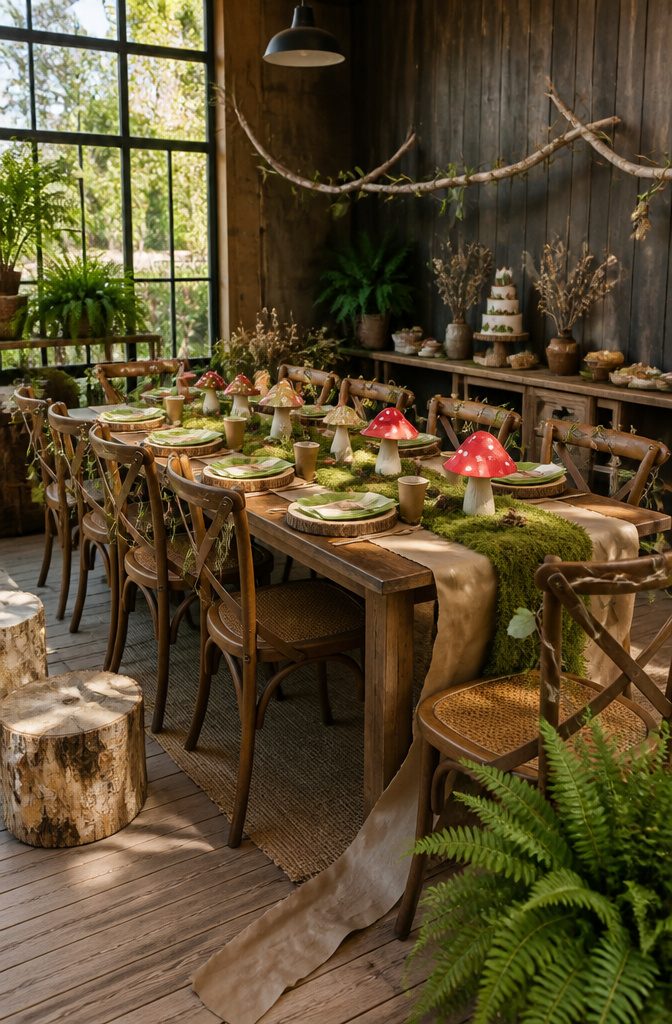
Moss table runners and paper toadstools from the craft aisle give you a woodland floor without foraging in actual woods.
I string twig garlands between chair backs and let the brown wrapping paper aisle supply the floor runner, torn for bark texture.
The fairy-house building station runs on pinecones, bark pieces, and a glue gun you already own. Kids build for twenty minutes and then the structures become party favors, which saves a separate favor purchase.
I favor this theme for spring birthdays you can move outside, where a scavenger hunt for painted rocks or wooden tokens burns energy without structure.
Indoor versions work with potted ferns from the grocery store garden section and that same brown paper runner taped to protect floors. Outdoor hunts let shouts dissipate; indoor ones need tighter boundaries to keep the noise manageable.

NATURAL & REFRESHING: Our Green Moss Table Runners bring the earthy charm and spring appeal to your decoration and crafting projects. Perfect for indoor or outdoor use, these runners add a whimsical touch to any table, making them perfect for holidays, weddings, or special occasions.

REAL-TOUCH WOODLAND ELEGANCE Experience the lush beauty of the forest with our fake moss table runner. Crafted to provide a soft, natural texture and a vibrant evergreen look, it delivers the high-fidelity feel of a real moss bed. This moss table runner is the perfect centerpiece for those seeking a premium, nature-inspired aesthetic without the hassle of traditional plant care
2. Space Explorer Mission
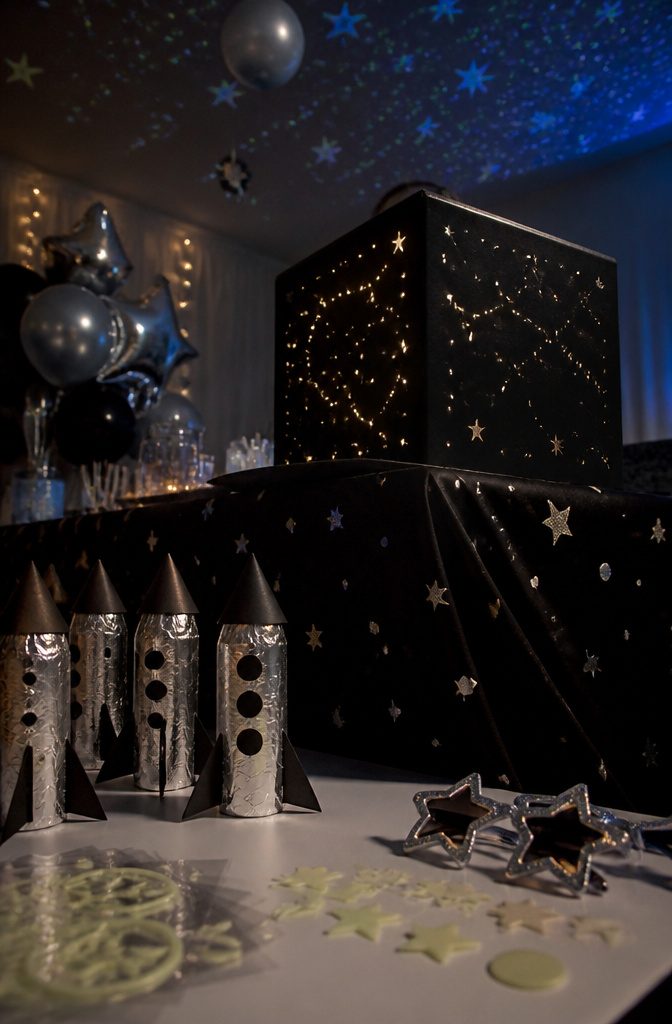
Black tablecloths and silver balloons set the stage, but the detail that makes this theme stick is a DIY planetarium built from a cardboard box and a flashlight.
Cut a constellation pattern into the box sides, point the light through, and a darkened room fills with drifting stars. The build-your-own rocket craft keeps the supply list simple: toilet paper tubes, foil, and tape from the kitchen drawer.
I have found that the glow-stick bracelet "alien slime" activity occupies kids for 20 minutes, which is the exact window needed to set out the cake and light candles without a crowd at your elbows.
Star-shaped sunglasses and glow-in-the-dark stickers work as take-homes, though I would skip the favors table and tuck them into the slime station bags so nothing gets lost in the scramble.
3. Dinosaur Dig Expedition
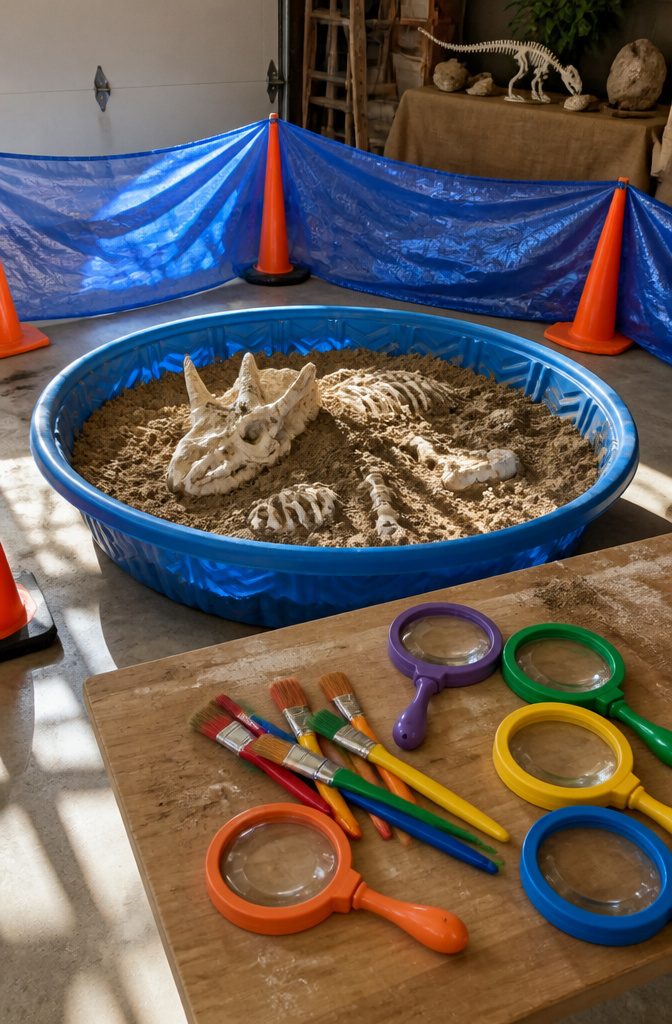
A sandbox or kiddie pool filled with sand becomes the excavation site for a plaster fossil dig you make at home two days ahead.
The mix is flour, salt, and water poured over toy dinosaurs in disposable containers; once set, you bury the blocks and hand out dollar-store paintbrushes and magnifying glasses as tools.
Kids chip and brush until the dinosaur emerges, which takes enough time that you want six to eight fossils ready for a group.
I set this up in the garage for January birthdays and on the lawn for September. The activity itself does not change, only the cleanup location.
The sand sweeps from concrete or dumps straight onto grass, and the plaster crumbles small enough for a dustpan. The fossils cost less than a themed paper plate set and keep kids occupied longer than most craft-table stations.

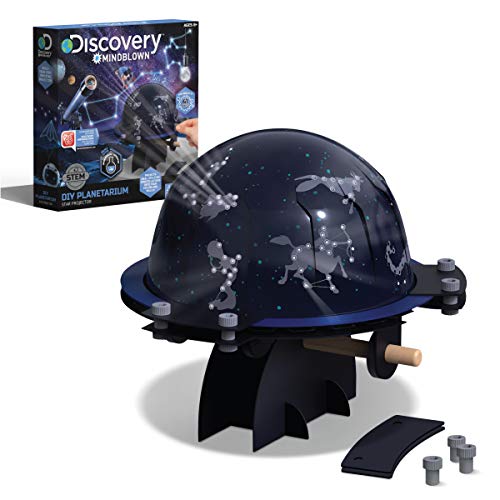
【13 IN 1 Realistic Planetarium Projector】:This galaxy projector for bedroom is equipped with 13 different HD galaxy discs, including the Solar System, Earth, Moon, Virgo Supercluster, Centaurus A, Black Hole, Antennae Galaxies, Wormhole, the Milky Way, Mystic Mountain, Sharpless 2-308, Small Magellanic Cloud, and Laniakea Supercluster. These realistic galaxy film discs make the star projector an ideal choice for room decor for kids, teen girls, and adults. Note: There are a total of 13 projection cards, with one of them built-in the galaxy projector
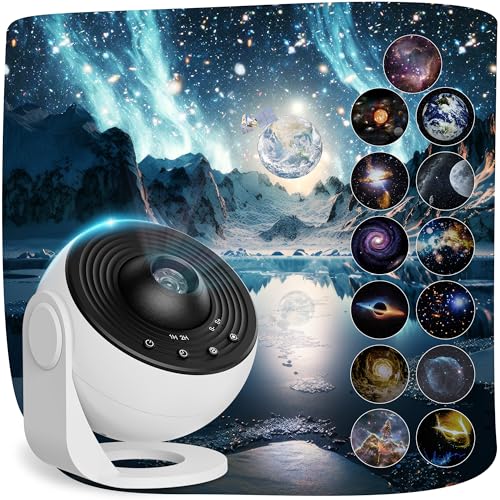
【13-IN-1 Planetarium Projector Pro 2026】 - Explore 13 space scenes, including the Solar System, Earth, Moon, Virgo Supercluster, Centaurus A, Black Hole, Antennae Galaxies, Wormhole, the Milky Way, Mystic Mountain, Sharpless 2-308, Small Magellanic Cloud, and Laniakea Supercluster. Each projection disc includes a brief introduction to the featured subject, turning this solar system projector into an engaging astronomy display for kids and adults. Includes 13 discs, with 1 pre-installed.

NIGHT LIGHT: Eases fear of the dark.
4. Under the Sea Quest
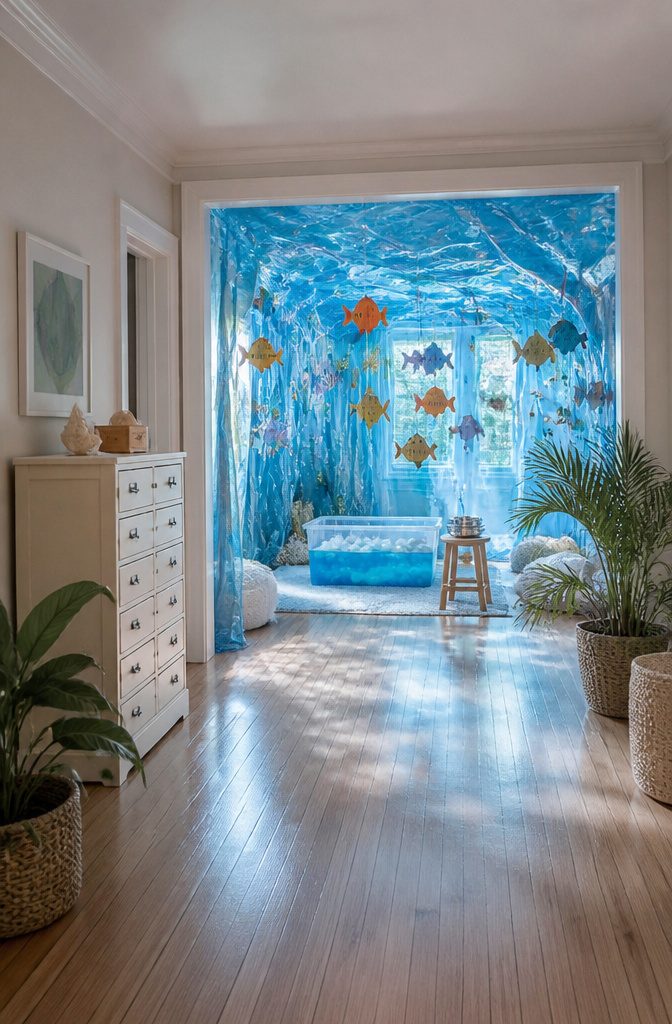
Blue cellophane stretched over doorways reads as water because the material catches light the way a swimming pool does at noon.
Hang the paper fish at three different heights, not one, so kids walk through rather than under. Fishing line is nearly invisible against the blue; masking tape the ends where the cellophane meets the frame.
The pearl dive fills a plastic storage bin with water tinted with a few drops of blue food coloring, ping-pong balls floating as pearls, and a stack of tablespoons for scooping.
The spoons slow the retrieval just enough to feel like a challenge without frustrating a six-year-old.
Have a towel stack ready. The water stays cool for twenty minutes indoors, less if the sun hits it.
I pull this theme out for January and February birthdays, when every other invitation mentions sledding or hot cocoa.
The blue-green palette feels deliberate against white windows, not like a default escape from snow. The materials run about $12 at a grocery store and a craft aisle, nothing ordered ahead.

EXCAVATE A STEGOSAURUS FOSSIL: Chip and brush through the plaster block to uncover hidden dinosaur bones, then assemble them into a detailed Stegosaurus skeleton.
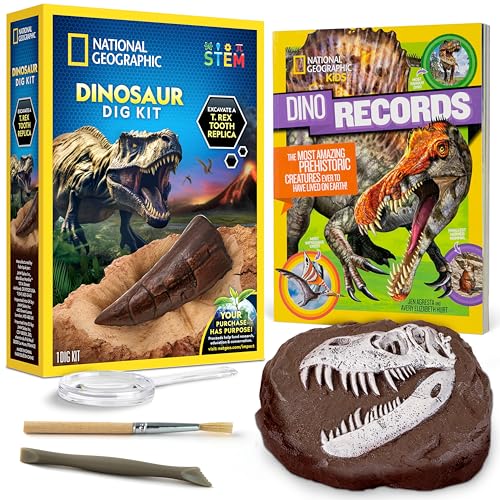
A STUNNINGLY AUTHENTIC SPECIMEN - Hidden inside the dig brick is a T. rex tooth replica molded from a real tooth fossil! This realistic specimen lets you see and feel the might of this famed dinosaur!

DISCOVER 12 UNIQUE DINOSAUR FIGURES: Each dino egg hides a different dinosaur toy, keeping the excitement alive through multiple digs and encouraging teamwork during group play. It's absolutely a novel toy for kids.
5. Circus Spectacular
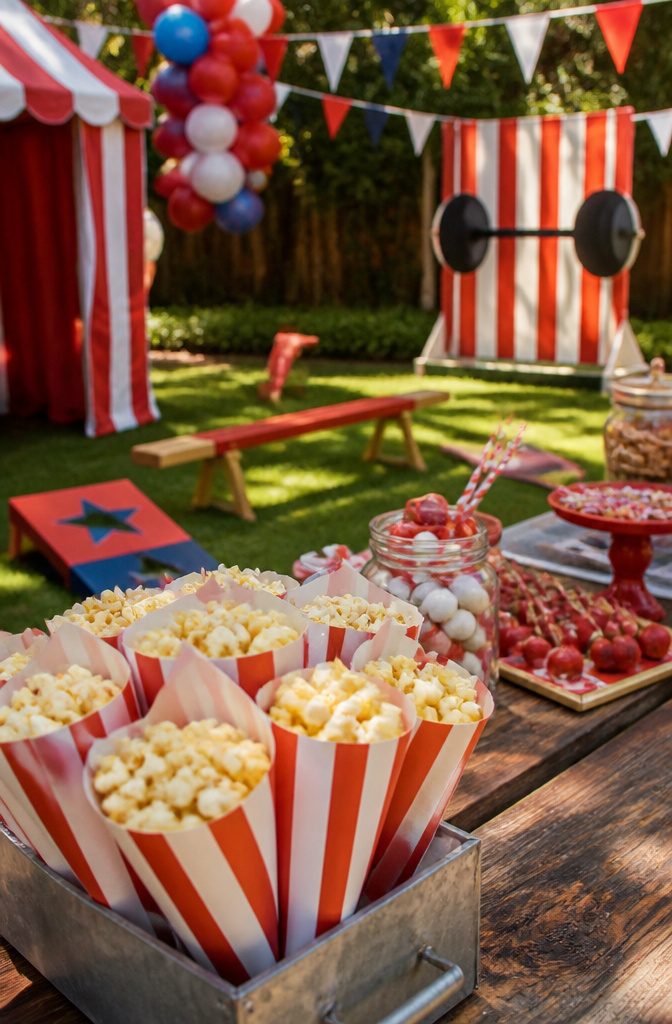
Red-and-white striped tableware sets the visual anchor for this theme, and paper cones filled with popcorn cost next to nothing beside a bulk bag from the snack aisle.
A painted cardboard barbell turns any doorway into a strongman photo booth that parents actually want to use too.
The skill stations keep kids moving without equipment you need to store later.
A beanbag toss, ring-around-the-bottle, and a 2×4 balance beam laid flat on the grass cover three classic carnival skills with materials already in the garage or a $5 hardware run.
I skip the live performer entirely.
That same budget goes toward a cotton-candy machine rental, which runs about $45 and feeds 30 kids. The machine does the entertaining for you, and the smell alone convinces guests they are at a real midway.

Dinosaur Sensory Bin Sets: there are 2 dinosaur bones wooden puzzles, 1 green storage box, 1 wooden flat handled spoon, 1 brush, 3 pine trees, 2 coconut trees, set of 4 shovel bucket, 20 acrylic leaves, 12 mini dinosaur skeletons and 500g sand

DINOSAUR SENSORY BIN: Explore prehistoric times with an ultimate pretend-play dinosaur dig sensory toy. This unique toddler activity features a sensory bin filled with 3 lb of play sand, dinosaur toys for kids 3-4+, rocks, sand sifter, fossils, volcano toy, and more! Explore your sensory bin; count and name the colors of each item, make up a story about your dig and more!
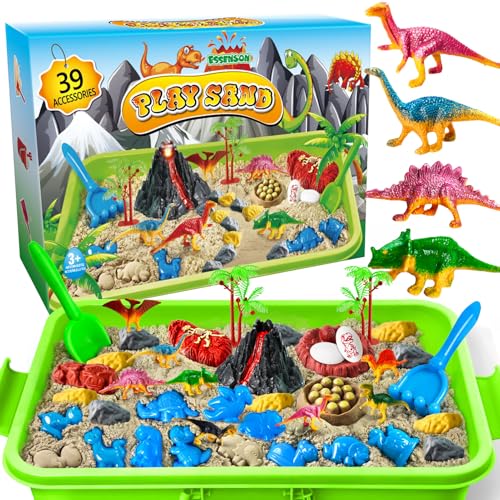
Complete Dinosaurs Sensory Bin Set: Includes dinosaur molds, dinosaur fossils, stones, and theme decoration, creating an immersive dinosaur adventure
6. Art Studio Party
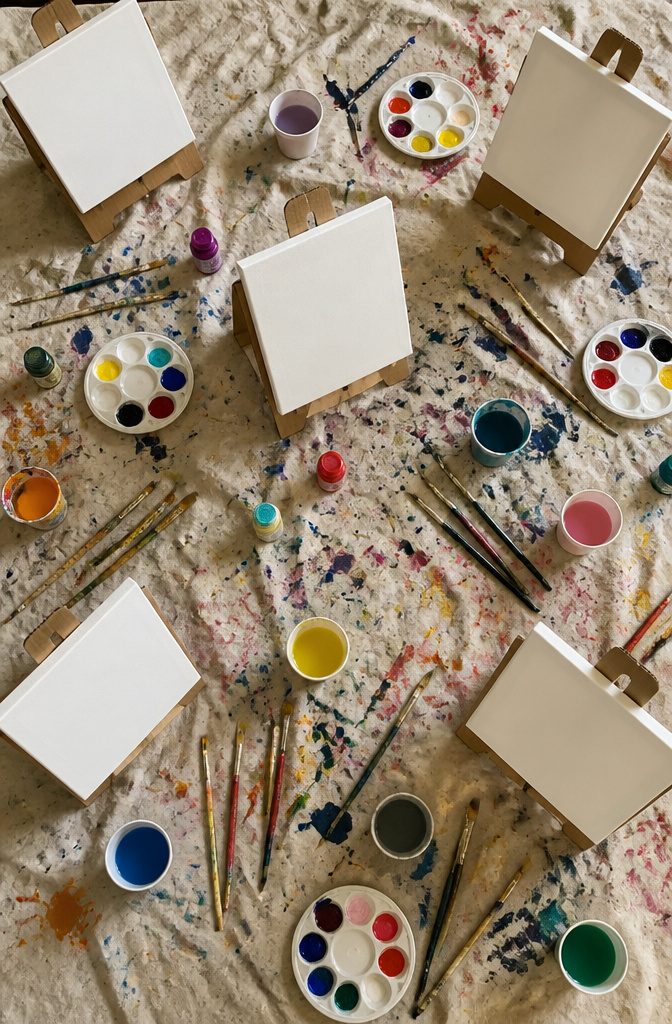
Drop cloths on every surface are non-negotiable. I learned that acrylics on a kitchen table without protection mean scraping dried paint with a butter knife for an hour.
Individual easels from cardboard boxes work better than you would expect: cut one side flap from a medium box, tape the remaining three into a triangle, and slit the top to grip a paper plate.
One paint color per station keeps the finished canvases from turning the inevitable mud-brown that happens when twelve kids mix every bottle on the table.
The palette limit matters for cleanup too. I ran the numbers after two parties: twelve kids times four paint colors equals roughly ninety minutes of mopping, while two colors per child drops that to thirty without any drop in fun.
The finished canvases dry in place during cake time, then roll easily into paper towel tubes for the ride home. That is the favor handled, no plastic trinkets required.

Complete Woodland Centerpiece Kit: this all-in-one woodland animal table centerpieces kit includes 12 cute woodland animals wood cutouts with bases, natural wood rounds slices, 2 artificial green moss (total 10.58 oz), 6 pine cones, and 12 miniature red mushroom decorations, jointly building a vivid and charming miniature forest ecological world on the table; Simply open the box and create a stunning forest-themed table display in minutes, skip the hassle of buying decorations separately

All-in-One Woodland Table Centerpieces Set Design stunning wood centerpieces for tables with this complete set, including natural wood slices, soft artificial moss, and a realistic moss stone. Perfect for enchanted forest decorations, forest decor, and rustic-themed events that need a warm, natural touch.

Enchanted Moss Table Runner: this enchanted forest moss table runner takes artificial moss as the core element; It presents a natural forest and wonderland party style as a whole; It can easily create the fairy tale atmosphere of a enchanted forest party
7. Around the World Adventure
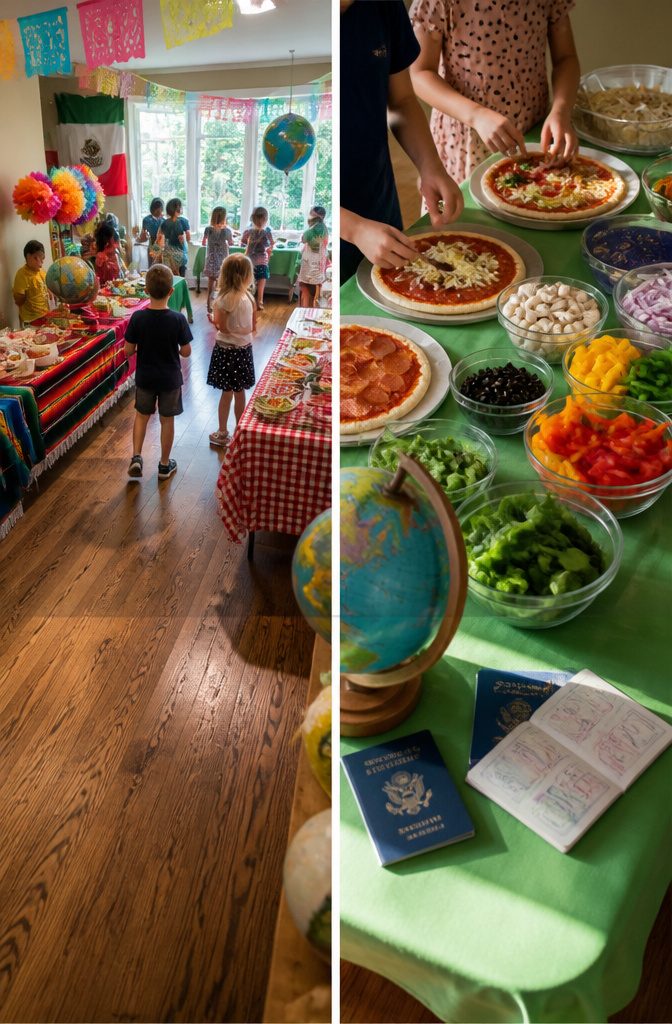
An Around the World party answers the kid who wants "everything" without giving the parent fifteen disconnected activities. Each room or table becomes a country with three fixed stations: one food, one craft, one game.
Japan gets origami folding and chopstick races with mini marshmallows. Mexico means tissue-paper flowers and a piñata.
Italy becomes assemble-your-own-pizza with English muffins or pita. The structure itself carries the party so the adult does not have to.
The through-line that holds it together is a passport booklet stamped at each station.
Twenty copies run about $8 at a copy shop, printed on regular paper and folded in half. Kids collect stamps instead of winning prizes at every stop, which slows the pace and gives the introverts something to hold.
I would cap the circuit at four countries. Three feels thin; five drags past the cake candle moment.
Keep each station to ten minutes, set a kitchen timer, and rotate everyone together. The parent who plans this once can reuse the same passports for a sibling’s party next year with different countries swapped in.
8. Animal Safari
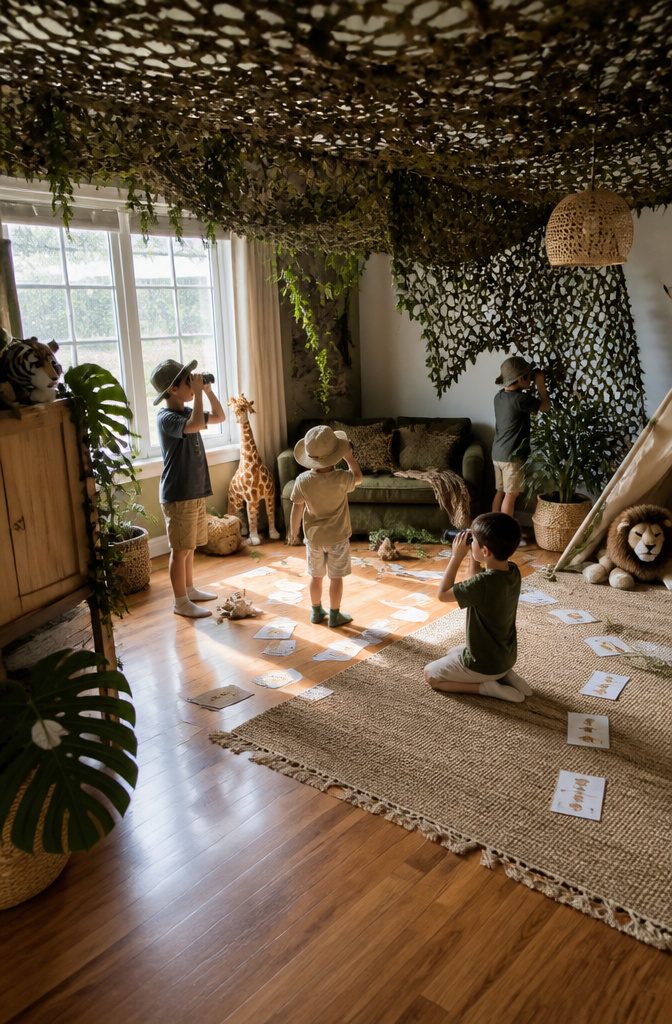
Camouflage netting hung from ceiling hooks turns a single room into an enclosure, no yard required.
I ran this for my daughter’s fifth birthday in our apartment and the netting created enough coverage that kids forgot the couch was three feet away.
The perimeter needs stuffed animals, nothing fancy, just enough that scanning the room feels like scanning brush.
Kids make binoculars from two toilet paper tubes and yarn during the first ten minutes, which gives late arrivals time to settle without missing the main event.
The activity itself is a photo scavenger hunt. You print animal pictures, hide matching plush versions around the room, and kids cross them off as they find them.
The printed cards keep kids moving even when someone else spots the animal first, which matters more than you’d think at this age.
Toilet paper tubes, yarn from a craft aisle, netting from a party store. The whole setup breaks down in about fifteen minutes and stores flat until someone asks for it again.

twilight turtle: Make fear of the dark a thing of the past.

2-in-1 Galaxy projector & Soft Night Light: Our galaxy room projector blends immersive galaxy projection and soft LED night‑light for nightly ambiance, meditation & home decoration. It includes 13 interchangeable galaxy, ocean and planet projection films, one pre‑installed in the device. Install films with the UP mark facing up; turn off room lights for clearer projection.

【25-in-1 Realistic Planetarium Projector Pro】 This star projector comes with 25 different 4K HD galaxy discs: Earth, The Milky Way, Black Hole, Observable Universe, Solar System, Small Magellanic Cloud, Valentine's Day, Local Group, Virgo Supercluster, Laniakea Supercluster, Wormhole, Mystic Mountain, Moon (built-in), Seahorse, Sea Turtle, Shark, Octopus, Marine Organisms, Jellyfish, Deer, Lions, Marine Life, Owls, Flamingos, Squirrels. These realistic galaxy film discs take you on a journey through a fantastic universe. Bring me to your home, and I will create a starry sky for the little one.
9. Science Lab Experiment
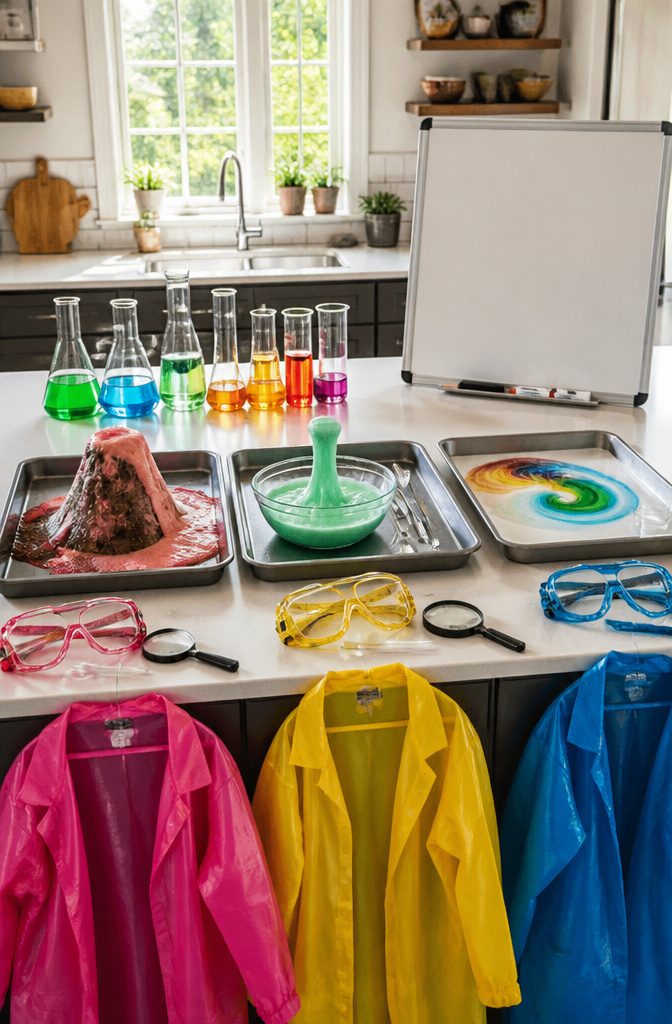
Plastic lab coats from the costume aisle and safety goggles set the look without sewing or special orders. I run three stations: baking soda volcanoes, slime mixing, and milk with food coloring that swirls when dish soap touches it.
Each station gets a label with the child’s name plus "Laboratory," and I print simple "lab reports" for them to record what happens. The vinegar smell lingers, so I keep this party in the kitchen with windows open.
Carpeted rooms are a mistake here; the baking soda and slime residue need hard floors and a mop. The lab reports double as the take-home favor, which saves buying something separate.

Toys That Teach: A hands-on science lesson, this dinosaur dig set lets kids experience the excitement of discovery like a real paleontologist, then learn how to identify each dinosaur using the Excavation Guidev

Includes 2 Kinds of Dino Toys: 1. The dinosaur bones inside the Brick can assemble two 3D dinosaur puzzles: a T-rex and a triceratops skeleton Puzzles. 2. 2 pack 6.5” Realistic Looking dinosaur figurines Including T-Rex, Triceratops. Your little archeologist would be thrilled to see this dinosaur dig kit, would share and enjoy the discovery.

【3 Kinds of Different Digging Fun】: 1. Dinosaur head fossil: Child can excavate 5 real dinosaur fossils including 2 tyrannosaurus teeth, 1 tyrannosaurus claw & 2 lava stones! 2. The dinosaur bones inside Brick can assemble a 3D T-rex skeleton. 3. 6 pieces Dino Eggs Dig Kit & discover 6 unique dinosaur designs. Feel like a real paleontologist excavating up unique toy dinosaurs from 3 digging styles.
10. Pirate Treasure Hunt
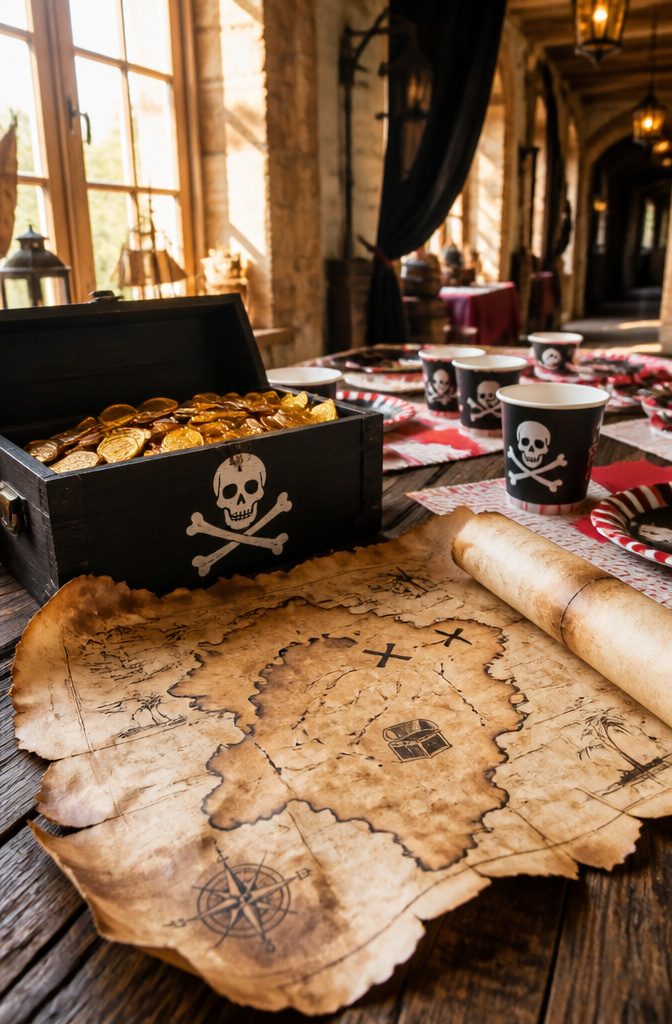
A map scorched at the edges with a lighter is the detail that sells this theme. Brown grocery-bag paper works better than anything from a craft store because the fiber is already uneven and the color is right.
I draw the layout in ballpoint first, then coffee-stain it lightly with a wet brush and let it dry before the flame. The burning takes 2 minutes but the wet paper needs 20.
The treasure itself is a shoebox painted black, filled with chocolate coins and the kind of plastic jewelry that comes in party packs of twelve.
Kids aged 4 through 10 have all bought into it; I adjust the clue complexity and nothing else.
Rhymes for the younger group, simple substitution codes for the older ones. A "three steps north of the hydrant" map suits a 4-year-old; a Caesar cipher pointing to the same hydrant keeps a 9-year-old busy for 15 minutes.
The whole map makes 45 minutes the night before.
The shoebox sits in a closet or under a bush, and the coins are gone before the parents arrive. Cleanup is the box and whatever paper clues didn’t survive the hunt.

DEVELOP KIDS’ SKILLS: Sensory bins provide a hands-on learning experience for children, allowing them to develop a range of skills. By engaging their senses, they can enhance their language skills, fine motor skills, social skills, and hand-eye coordination.

DINOSAUR TOYS FOR KIDS – Build a prehistoric world with dinosaurs, volcano, dinosaur eggs, skeleton fossils and sensory sand. Kids can dig, discover and create endless dinosaur adventures.

Complete Dinosaur Sensory Bin Experience: Everything kids need in one magical sand sensory bin—just open, pour, and start creating instantly
11. Baking Party
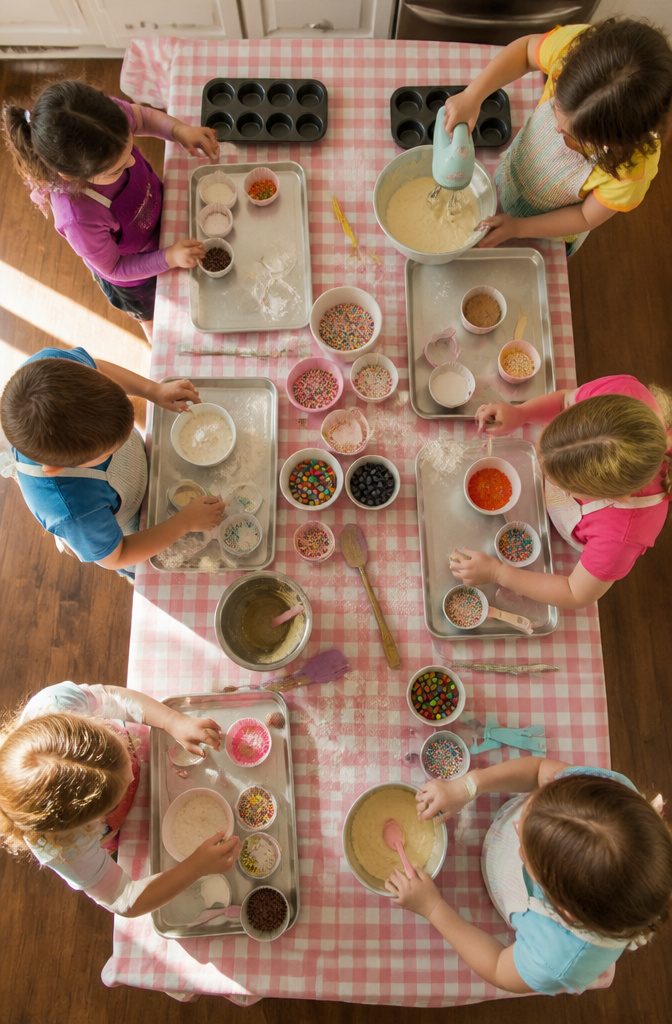
A baking party turns the kitchen into the workroom, which saves you from decorating a separate space.
I set out checkered tablecloths in pastel tones and hand each child an apron, a tray lined with parchment paper, and a paper cup of pre-measured ingredients.
One recipe per child keeps the line moving: decorated cookies, mini pizzas, or cupcake assembly all work. Waiting kills the energy, so I rent a second hand mixer for about $15 when the guest list goes past six.
Each child takes home their own tray, and the parchment lining means parents can lift the goods straight out without a scrape.
12. Fairy Tale Castle Ball
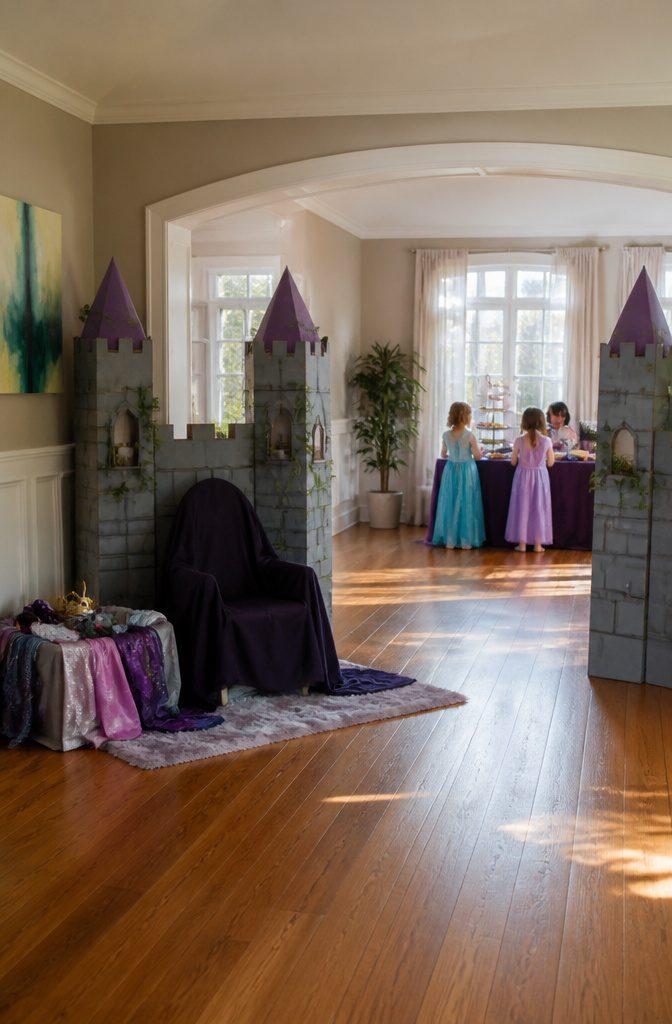
Cardboard boxes painted as castle turrets around your doorway set the scene without swallowing the whole afternoon. I tape them flat, paint them stone gray with black sponge-printed "mortar," and call it done.
The throne is any armchair draped in a dark bedsheet with a gold pillow from the discount home store; kids know what it means without perfection.
A dress-up bin of plastic costume jewelry and fabric capes completes the picture, and I skip the sewn costumes entirely.
The activity that holds attention is a royal banquet where kids assemble their own feast from finger foods on tiered stands, crackers, cheese cubes, and fruit arranged like a proper court table. This works best for ages 5 to 7.
Younger children drift away from sustained pretend play too fast, and older ones stand at the costume bin like it is radioactive. The tiered stands make ordinary grocery-store food feel ceremonial, and cleanup is just stacking trays.
13. Jungle Explorer
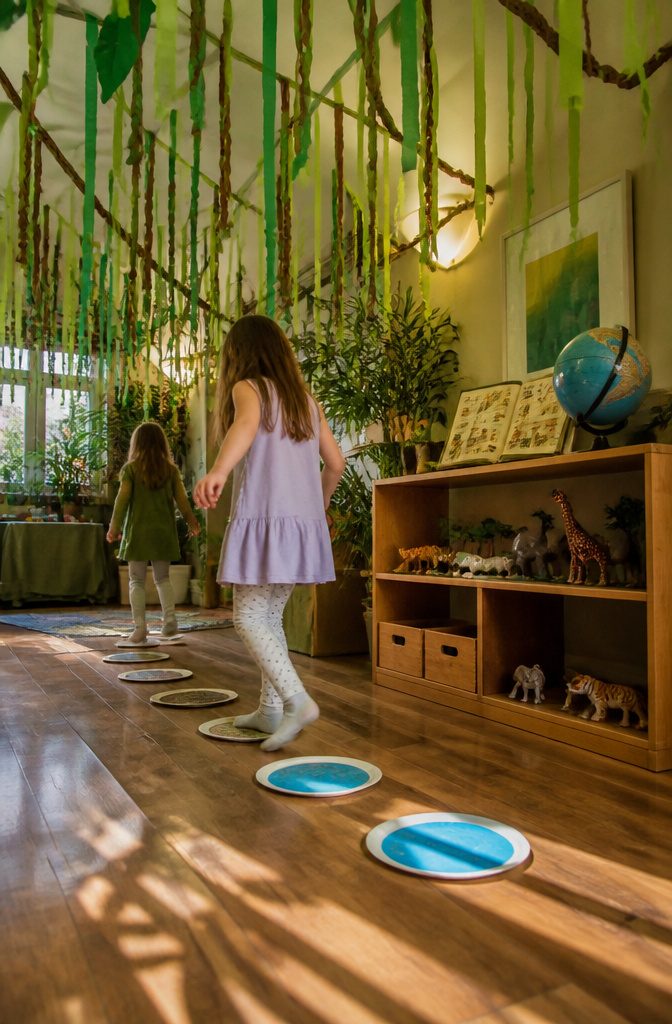
Green streamers hung vertically from the ceiling read instantly as jungle vines, and a rainforest soundtrack pulled from any free streaming service fills the room with parrot calls and distant thunder.
The research station is the quiet anchor: print field guides from online databases, scatter plastic animals across a folding table, and let kids match each creature to its page.
I set this up for groups that arrive vibrating with sugar and excitement; the identification task gives their hands something deliberate to do while the room settles.
The physical release comes after cake. Paper plates laid out as stepping stones create a river crossing, spaced far enough apart that kids have to hop and balance.
The plates skid on hard floors, so I tape the leading edge of each one with a loop of masking tape.
Structured movement burns off the post-cake rush before parents start arriving, and the game takes under ten minutes to run through. Cleanup means gathering plates and pulling down streamers: two trash bags, done.
14. Mad Hatter Tea Party
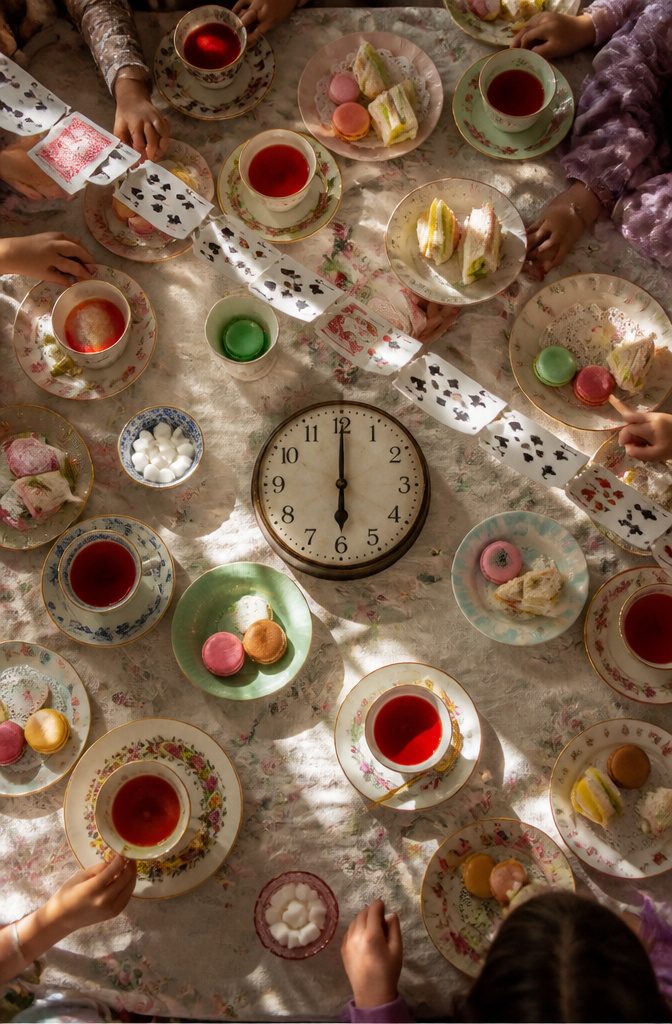
Mismatched teacups from thrift stores set the whole tone before anyone sits down. I look for stacks at garage sales or charity shops, paying maybe a dollar each, and let the patterns clash on purpose.
Playing cards strung as garlands cost almost nothing and read instantly as Wonderland. The clock set to permanent 6:00 is a small touch that lands big with kids old enough to get the joke.
The food gets miniaturized: finger sandwiches cut to postage-stamp size, macarons if the bakery case has them, juice poured into actual teacups.
I have run this for boys by calling it a "mad scientist tea" and dropping dry ice into the punch bowl for fog. The core absurdity, the too-small chairs and the nonsense rules, works either way.
Cleanup runs heavier than most themes because of all that dishware. Thrift-store cups chip in dishwasher cycles, so hand-washing is the practical route, and that adds twenty minutes to the end of the party.
I still think the trade is worth it for the photos and the hush when kids first walk in, but I plan the rest of the day light.
15. Construction Zone
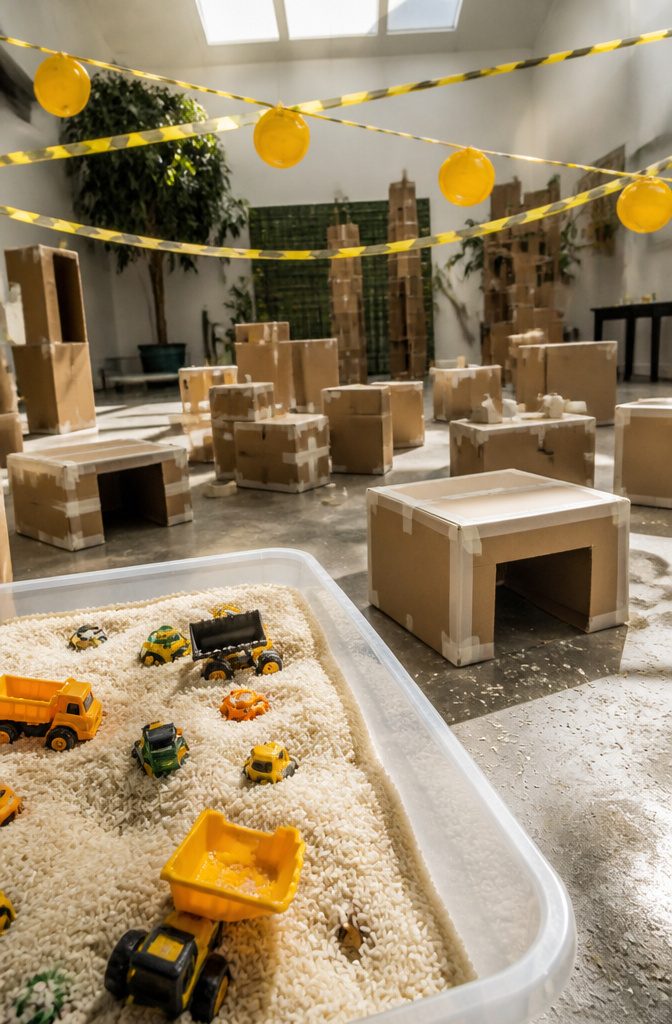
Yellow caution tape marking the perimeter and hard hats from the party store set the visual, but the real engine of this theme is a sensory bin of dried rice with hidden toy trucks.
Kids dig, pour, and excavate until the trucks surface, then move straight into the build challenge: large cardboard boxes and masking tape, no scissors required.
They construct for about thirty minutes, then destroy in five. A plastic painter’s drop cloth covers the entire floor, because rice scatters past every edge of a bin and tape strips cling to carpet.
I sweep the rice directly into a trash bag at the end; this is the most floor-intensive theme I run, and the cleanup is the price of admission.
Choosing by Age and Interest
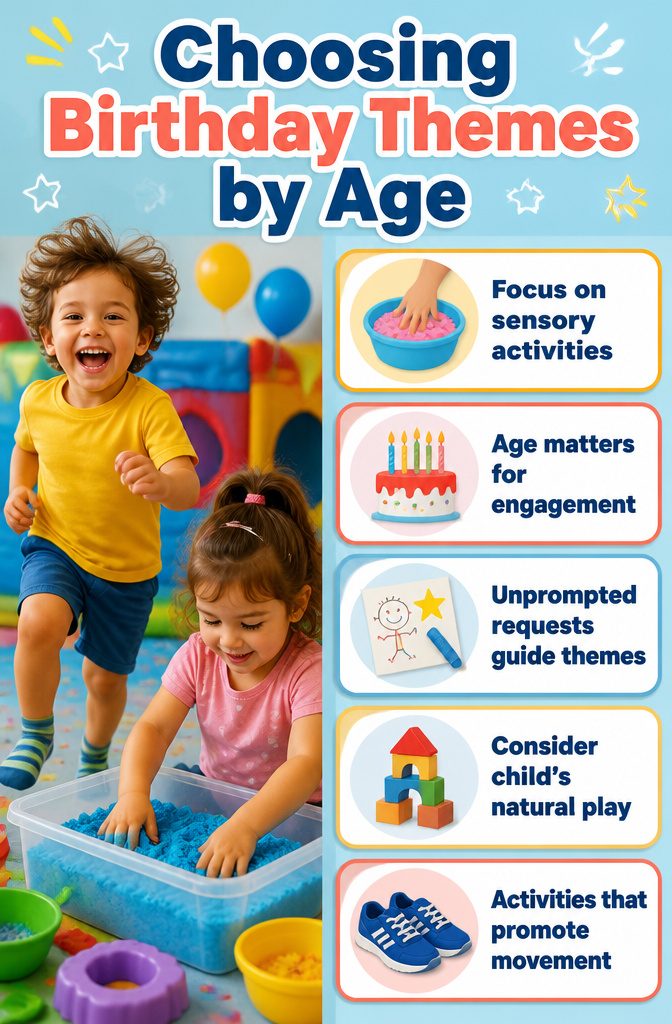
A theme that looks perfect on Pinterest can crash hard if it ignores the child’s actual wiring.
I stopped planning parties around what photographs well after watching a friend’s mermaid bash dissolve in twenty minutes; the birthday girl, barely three, needed to touch and move constantly, not pose by a backdrop.
The age match matters first. A three-year-old’s nervous system is built for sensory input and quick rotations, so themes that center on tasting, squishing, or running in short bursts keep them engaged without meltdowns.
By ten, that same child can sustain ninety minutes of layered rules and longer projects. The shift is gradual, but the difference between four and six is already enormous.
I ask two questions before committing. What does this child actually do for an hour without anyone suggesting it?
And what have they requested unprompted, not in a store aisle but at home? The overlap is the theme.
A child who builds block towers alone and once asked for a construction hat does not need a princess party because she liked one movie. The unprompted request is the signal; the prompted one is just noise.
Decorations from Grocery and Craft Aisles
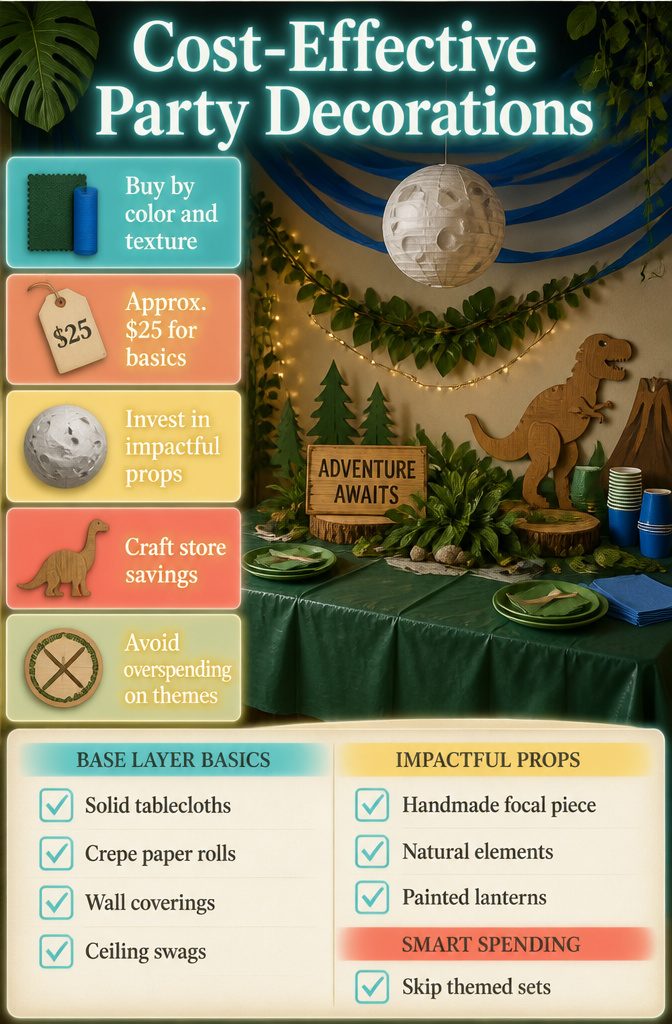
The real cost of party decor is not the balloons or the plates. It is the markup on items labeled "jungle" or "space" when plain green or blue covers the same ground.
I buy by color and texture, not by theme. A dark green plastic tablecloth from the dollar store works for a forest adventure one year, a dinosaur dig the next.
Royal blue becomes ocean, then sky, then galaxy with the same roll of crepe paper behind it. About $25 builds the base layer across tables, walls, and a few ceiling swags.
Three to five specific props do the actual signaling.
A paper lantern painted with craters turns that blue room into a moon landing. A handful of real leaves wired to twine makes the green into jungle.
These are the pieces worth spending on, and they do not need to come from party suppliers. Craft stores sell wooden cutouts and air-dry clay for less than themed equivalents, and they look more convincing for it.
Balloons, tableware, and backdrops get most of the attention in party planning guides.
In practice, they are the easiest places to overspend. The backdrop that reads as "theme" to a seven-year-old is usually the single handmade prop at eye level, not the printed banner above it.
Activities That Fit the Time Slot
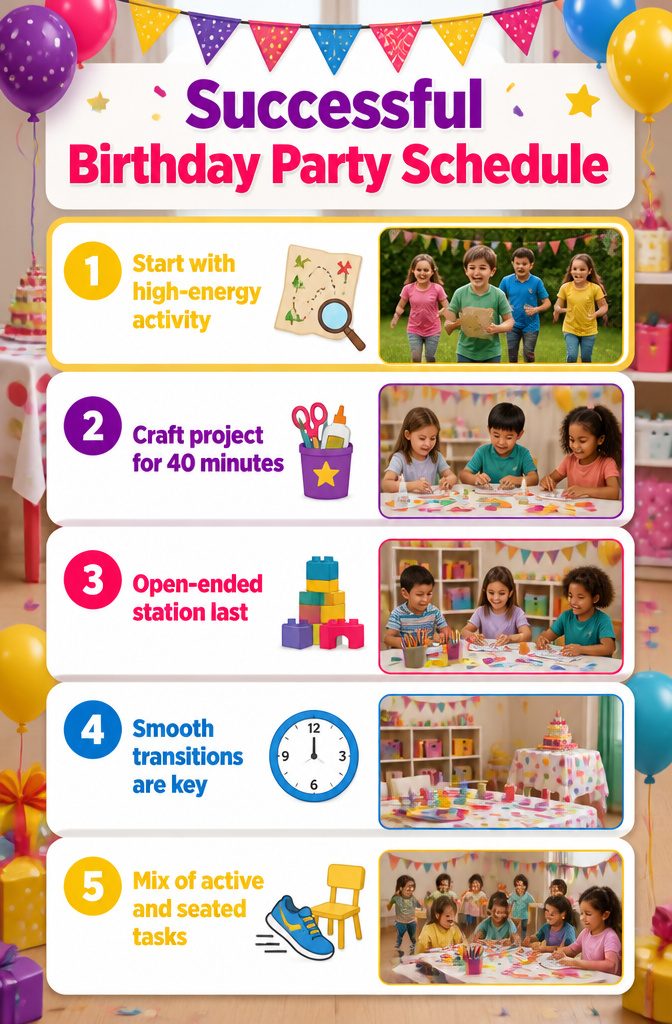
A 90-minute party lives or dies on its pacing.
I run one high-energy activity first, while excitement is still peaked and before sugar hits the bloodstream. Something like a themed scavenger hunt burns off that initial chaos and gives every child a job.
The middle 40 minutes belong to a seated craft.
This is your breathing room. Kids settle in with a DIY project tied to the theme, and you get a window to reset the space or prep the cake.
I schedule this after the hunt because a seated activity following a running one feels like a reward, not a constraint.
The final 20 minutes need to handle the handoff. Parents rarely arrive in one clean wave, so I set up an open-ended station that latecomers can join without a restart.
A simple building corner or coloring table keeps early pickups from disrupting the flow and gives stragglers something to do while you locate a missing shoe.
Party Favors That Extend the Theme
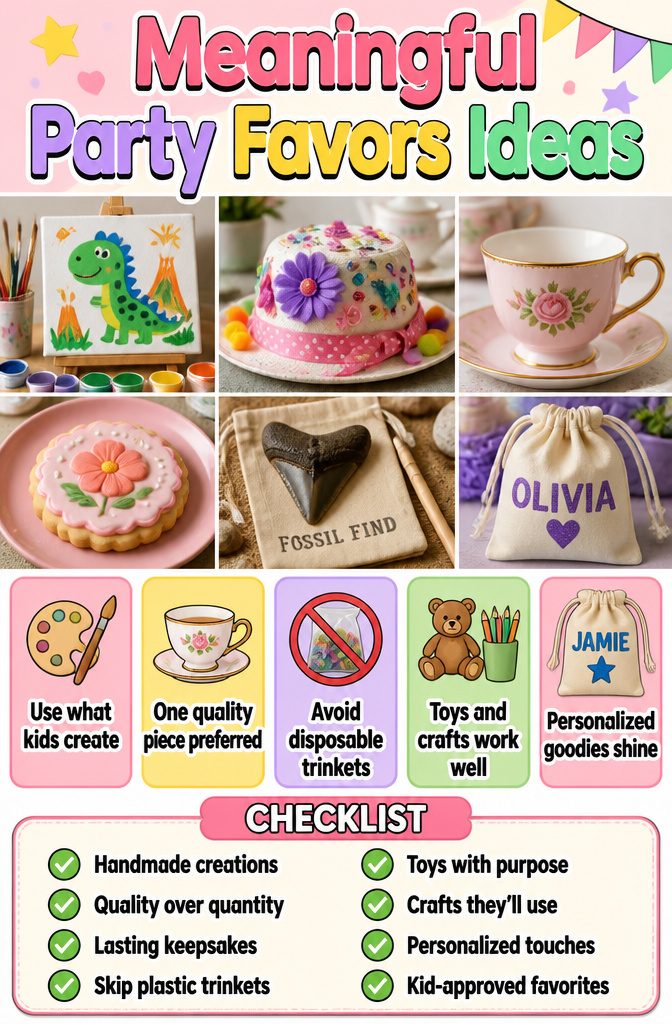
The best party favor is the thing the child already made. At a dinosaur dig, that painted canvas becomes the takeaway.
At a tea party, the funky hat they decorated or the cookie they piped themselves. I skip the plastic bag of trinkets every time.
When I do buy something, one quality piece beats a dozen disposables.
A single mini teacup or a fossil replica sits on a shelf for months. A sack of plastic figures hits the trash by Monday.
Toys, crafts, and personalized goodies all work as favors, but the product of the activity wins on every measure. No extra cost, no landfill guilt, and the kid actually cares about it.
Frequently Asked Questions
What are some unique birthday party themes?
Unique birthday party themes include an Enchanted Forest Adventure with moss runners and fairy-house building, a Space Explorer Mission with a DIY cardboard planetarium, a Dinosaur Dig Expedition with homemade plaster fossils, an Under the Sea Quest with blue cellophane doorways, a Circus Spectacular with skill stations and cotton candy, an Art Studio Party with cardboard easels, an Around the World Adventure with passport stamps, an Animal Safari with camouflage netting, a Science Lab Experiment with baking soda volcanoes, a Pirate Treasure Hunt with coffee-stained maps, a Baking Party with individual ingredient cups, a Fairy Tale Castle Ball with cardboard turrets, a Jungle Explorer with green streamer vines, a Mad Hatter Tea Party with mismatched thrift-store cups, and a Construction Zone with rice sensory bins and cardboard building.
Each uses grocery and craft aisle supplies rather than themed party store markups.
How do I choose a birthday party theme?
Base the theme on what your child actually does for an hour unprompted and what they have requested at home, not in a store aisle.
The overlap between those two answers is your theme. A child who builds block towers alone and once asked for a construction hat needs that party, not a princess theme from a movie they watched once.
Age matters too: three-year-olds need sensory and movement activities in short bursts, while ten-year-olds can handle ninety minutes of complex rules and longer projects.
What activities should I include in a birthday party?
Structure a 90-minute party around three phases.
Start with one high-energy activity like a scavenger hunt while excitement peaks and before sugar hits. Follow with a 40-minute seated craft that gives you breathing room to reset or prep cake.
End with 20 minutes of open-ended stations for staggered parent pickups. This pacing keeps energy managed and avoids the chaos of unstructured time or waiting in lines.