

You’ll find a plain slice of cake holds about 160 to 250 calories, but frosting can push that to 535 or more. Box labels often skip the frosting count, so your actual slice may hit 762 calories with heavy frosting. Dense, buttery cakes pack more calories than light sponge, and rich flavors like chocolate add extra sugar and fat. Weigh your slice and count frosting separately for accuracy. The actual calorie content on your plate may exceed initial estimates.
How Many Calories Are in a Typical Cake Slice?
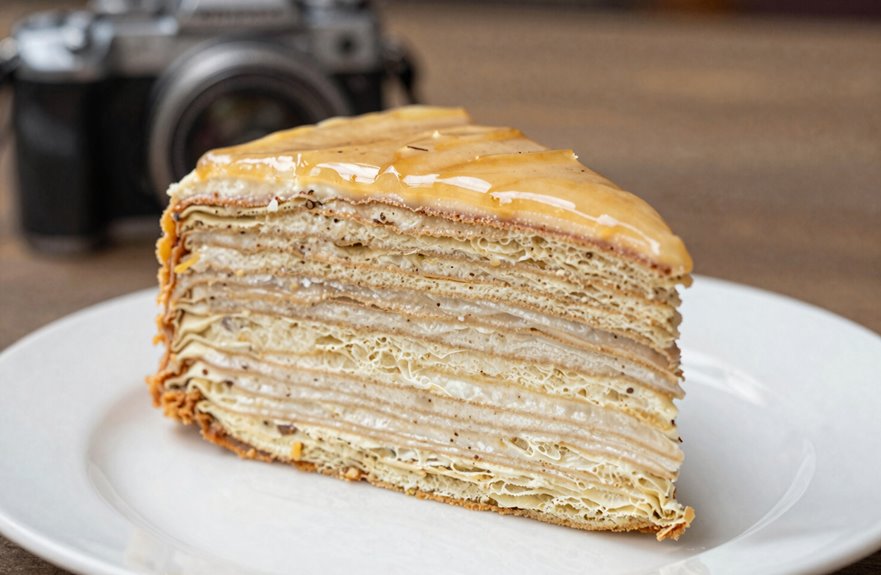
Ever wonder what you’re really eating when you grab a slice of cake? You’re looking at 250 to 535 Calories, depending on frosting thickness, slice size, and what’s inside. That innocent-looking box on the shelf might fool you. Betty Crocker shows 160 Calories, but a frosted slice actually hits 535. Duncan Hines claims 247 Calories, yet the real deal with frosting climbs to 762. That’s 134% more than the label suggests. Across brands, frosted slices pack about one and a third times the promised Calories. Check if the label includes frosting, measure your portion, and you’ll know exactly what you’re consuming. It’s your treat, your choice.

𝗬𝗼𝘂𝗿 𝗛𝗲𝗮𝗹𝘁𝗵 𝗘𝘅𝗽𝗲𝗿𝘁: Easily track your intake of up to 19 nutrients, monitor trends, create daily, weekly and monthly nutrition reports and more by connecting to the free Vesync app, Apple Health and Fitbit
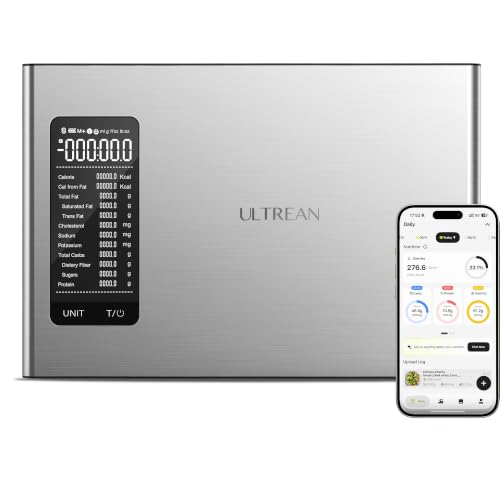
Calorie Counter: Easily log your daily calories and monitor 20+ nutrients. Set goals, track sports, and get AI-driven insights for smarter health management. Grow with friends instantly via the NutriScale app

Nutritional Calculator & Large Database: Easily operate the smart food scale with nutritional calculator through RENPHO Health app to monitor nutritional intake, calculate calorie, and store nutritional diary. The app provides access to tens of thousands of food items with nutrition facts, including calories, vitamins, and proteins, and you can also add and customize your own food data as needed
Calories in Popular Cake Varieties: A Quick Reference
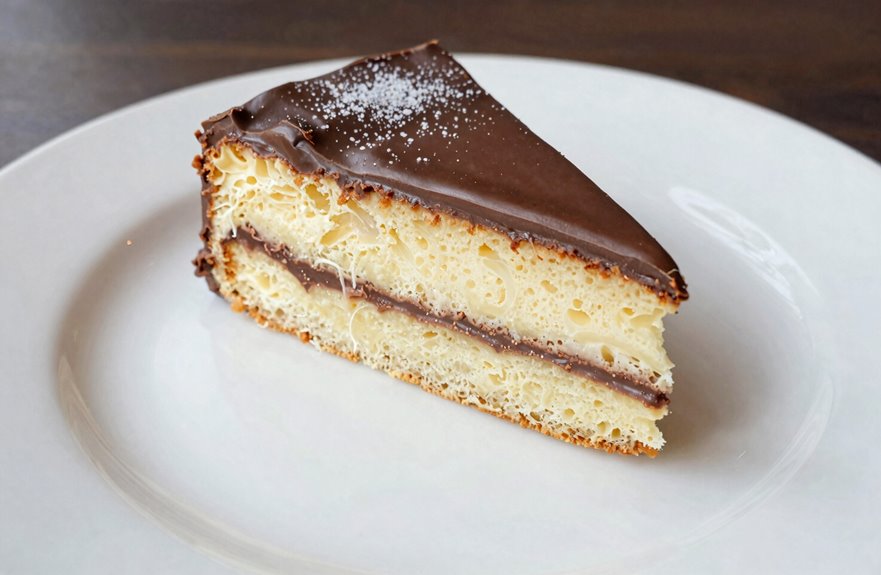
So you’re standing at the bakery counter, and you’re wondering which cake to pick. Let’s look at the calories you’ll actually eat.
A plain slice holds about 250–300 calories. That’s your starting point.
Frosting changes everything. Box labels promise 160 calories, yet frosted slices jump to 535–762 calories. You’re seeing a 134% jump from what the box claims.
Betty Crocker lists 160 calories, but you’ll eat around 535 with frosting. Duncan Hines says 247, yet real servings hit 762 calories.
The box labels don’t account for frosting. The frosting adds bulk fast, and your eyes deceive you on portion size.
Check labels carefully. Unfrosted cake keeps calories lower. When selecting among popular varieties, factor in frosting as a significant calorie addition to the stated serving size.

FROSTED COOKIES. New from Quest, our soft & chewy cookies are just the right amount of sweet to keep you satisfied when it’s snack time

The information below is per-pack only

The information below is per-pack only
How Cake Density and Flavor Affect Calorie Count
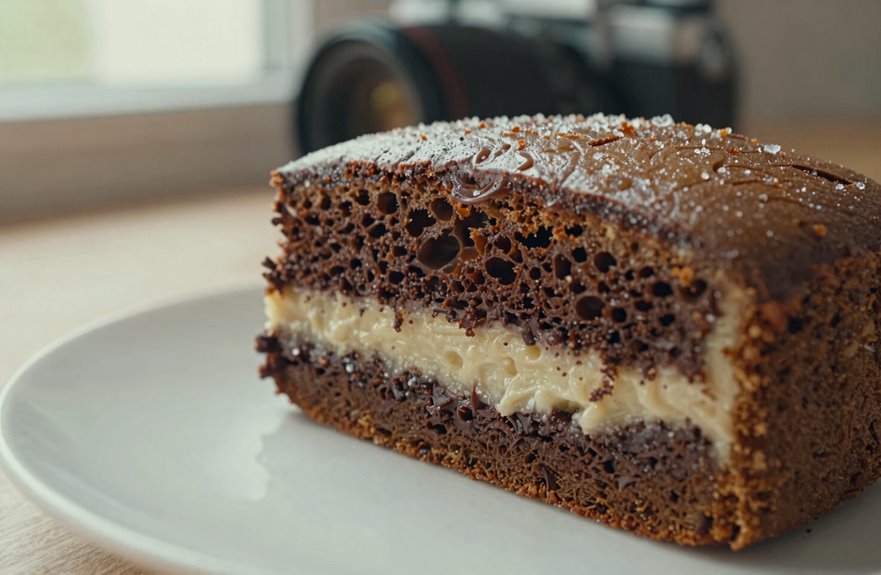
You might think a slice is just a slice, but moisture and flavor intensity change everything. A dense, buttery cake packs more calories than a light, airy sponge, even if both look the same size. Stronger flavors like chocolate or caramel often mean more sugar and fat, so you’ll want to check what’s really inside.

This slice of yellow cake with chocolate icing is shipped frozen to preserve freshness

The cake slice is shipped frozen to preserve freshness

Flourless chocolate cake with a decadent molten chocolate center
Moisture Content Impact
How does a fluffy, moist cake compare to a dense one when you’re counting calories. Moisture content makes a real difference in what you’re actually eating.
Moisture content changes how heavy your cake feels. A wet, tender slice weighs less per bite than a dry, packed one. You get more cake in your hand without extra fat or sugar sneaking in. This means you can enjoy a bigger-looking piece for fewer calories per gram.
Dense cakes contain more butter and sugar in every mouthful because there’s less water taking up space. Your teeth sink through something thick, and your body takes in more energy than you expect.
A moist cake feels more satisfying. You’ll probably stop sooner when the texture fills you up. Check labels carefully, though. Frosting adds calories fast.
Flavor Intensity Variation
Why does a rich chocolate cake feel heavier in your stomach than a simple vanilla sponge? Dense, fudgy layers sit differently than airy sponge. That weight comes from extra butter, cream, and chocolate packed into each bite. These ingredients push calories higher, sometimes doubling them compared to lighter cakes.
Frosting plays a significant role too. Frosted slices can jump from around 600 calories to over 1,000, depending on thickness. Some labels show 160 calories, but once you add frosting, you’re looking at 535 or more. Packaging sometimes hides this, making you think you’re eating less than you are.
When you pick your slice, remember that heavier cakes with intense flavors contain more fat and sugar. Check if frosting is included in the calorie count so you know exactly what you’re consuming.
Where Sneaky Cake Calories Actually Hide
Where exactly do those extra calories creep in when you’re eyeing a slice of cake? Frosting is the biggest hidden culprit. Those tempting pictures on cake mix boxes show thick, swirled frosting that makes your mouth water. However, the calorie count printed on the box usually leaves it out completely.
Research shows this is a widespread problem. When people see a frosted cake image, they guess about 1,083 calories per slice. Add a simple warning that frosting isn’t included, and that guess drops to 600 calories. Real Betty Crocker cakes hit around 535 calories frosted, not the 160 listed. Duncan Hines jumps from 247 to roughly 762 calories with frosting added.
You’re part of a crowd being misled by pretty pictures. Watch for packaging notes about what’s actually counted.


PACK OF 2 – 12 CAKES TOTAL – Includes two 288 g packages of Vachon Jelly Log Rolled Sponge Cakes, with 6 individually wrapped cakes per package for a total of 12 cakes.
Visual Portion Guides: Measuring Cake Slices Without a Scale
Ever wonder how much cake you’re actually eating when there’s no scale around. A simple way to stay on track with your Daily Value (DV) tells exists.
Grab a deck of cards. A proper cake slice matches its thickness and footprint. That’s roughly 3 ounces, or about the size of your palm without fingers. For frosted cake, picture a slice where the frosting layer stays thinner than a pencil.
Check the box image carefully. When frosting appears in the photo, you’re looking at 134% more calories than the label shows. Betty Crocker lists 160 calories, but your frosted slice hits 535. Manufacturers aren’t tricking you; those glossy pictures set expectations.
Look for packaging that clearly states “frosting not included.” You’ll cut closer to reality, and your estimates will match your actual intake.

Accurate and Precise Measurements: Our food scale provides accurate weight measurements, ensuring precise portion control for cooking, baking, and dietary tracking.
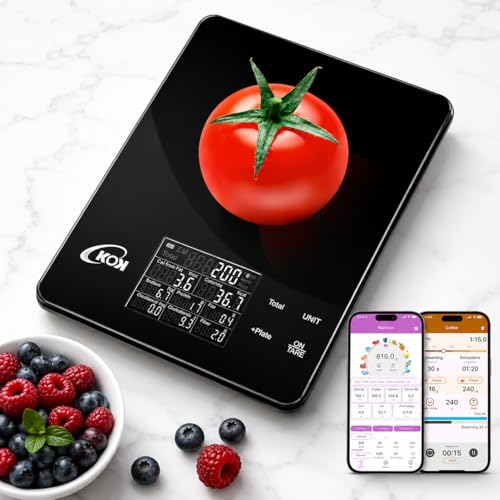
𝐔𝐩𝐠𝐫𝐚𝐝𝐞𝐝 𝐂𝐨𝐟𝐟𝐞𝐞 𝐌𝐨𝐝𝐞: This coffee scale with a timer is perfect for pour-over beginners. Set the ratio, and the app auto-calculates brewing water by coffee grounds weight. With timing—full control for balanced, consistent, café-quality espresso every time

PRECISE MEASUREMENT & MULTIPLE UNIT: Cubitt Smart Kitchen Scale comes with a built-in high-precision load sensor, which accurately weighs anything between 2g and 5,000g in increments of 1g / 0.1oz. Besides, this smart kitchen scale provides 4 measuring units (lb:oz, fl.oz, ml, g), which can be freely converted to meet the weighing requirements of a variety of food like milk, grains, fruits, coffee powder.
Why Your Eyes Underestimate Cake Calories
You can measure your slice with a deck of cards, but your eyes might still trick you. When you see a frosted cake on the box, your brain thinks that slice has about 1,083 calories. That’s almost double the 595 calories you’d guess for plain cake. The label often says 160 calories, but the picture shows frosting that adds 375 calories or more. Your calorie perception gets skewed because the image looks like what you’ll eat, while the numbers hide the truth. That glossy swirl of frosting and decorative sprinkles aren’t counted in the label’s math. Most people make the same mistake, according to studies on visual perception and nutrition labels. Researchers suggest simple notes on packages could fix this gap between what you see and what the label claims.

Best Tasting Protein Shake: Whey protein powder has been infamous for not tasting very good, but we set out over 10 years ago to change that, and succeeded. Through our in-house expertise we have developed the best tasting protein powder you will ever experience, with a perfect texture and amazing digestibility. To put it simple, this is protein you will crave
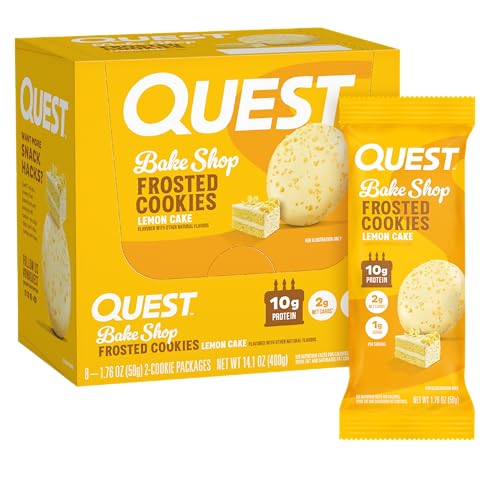
HACK YOUR SNACK. Quest Lemon Cake Flavored Frosted Cookies have a lemon flavored sweet coating over a soft and chewy center for a taste that reminds you of baked lemon cake. And with less than 1g of sugar, 1g of net carbs, and 5g of fiber per serving they’re flipping the script on cookies.
How to Estimate Cake Calories Without Labels
How can you figure out calories when there’s no label to check. Just break it down piece by piece.
Start by cutting your slice. A standard slice is 1/12 to 1/8 of the whole cake. Hold it up. Is it thick. Heavy with frosting. That matters.
Cake slice calories jump fast when frosting joins the party. A plain slice might sit around 160 calories, but add frosting and you’re looking at 535 or more. Betty Crocker hits about 535 calories frosted; Duncan Hines climbs to 762.
Don’t trust pretty box pictures. Those frosted images trick your brain into guessing wrong. People see them and think significantly more calories than labels show.
Instead, count what you see. Heavy frosting means higher numbers. Light, thin layers keep things lower. You’re estimating, not perfecting.

This item is only available for delivery or pick-up between 10am and 9pm

Product is shipped frozen to preserve freshness

Lower-Calorie Cake Strategies That Still Satisfy
You can cut calories without losing the joy of eating cake by making smart swaps in your ingredients, watching your portion sizes, and choosing lighter frostings that still taste great. Try replacing butter with applesauce or Greek yogurt in your batter, and aim for a slice that’s about the width of your palm instead of a big wedge. Skip the thick buttercream and spread a thin layer of whipped cream or fresh fruit instead. You’ll still get that sweet finish with far fewer calories.
Smart Ingredient Swaps
Why settle for a heavy slice when lighter options taste just as great? You can transform your favorite treat with simple swaps that keep every slice of cake delicious and guilt-free.
Trade butter-laden frosting for fresh berries or a thin sugar-free glaze. You’ll cut calories fast without losing that sweet finish you crave. Pick sponge or angel food cake bases instead of dense butter cakes. These airy choices naturally hold fewer calories per bite.
Replace oil with applesauce or yogurt in your batter. Your cake stays moist and tender, but you’ll slash fat content significantly. These smart baking techniques bring everyone together. Your friends won’t notice the difference, and you’ll feel great sharing something lighter.
Portion Control Tips
The way you cut and serve your cake matters just as much as what’s inside it. Those glossy cake boxes with thick, swirled frosting use imagery that tricks your brain into thinking slices pack way more calories than they actually do, up to 134% more. When you pick your slice, go for frosting-free or lightly frosted options. A plain cake piece might run 160–247 calories, while heavy frosting pushes it to 535–762. That’s a significant difference you can avoid. Look for fruit-topped slices instead; they add sweetness without the excess calories. Check labels carefully, since frosting often isn’t counted in the numbers shown. By choosing mindfully, you can enjoy cake while managing your calorie intake. Small changes keep you satisfied and in control.
Healthier Frosting Options
A dollop of frosting doesn’t have to derail your goals. You can swap regular cream cheese for light cream cheese or Greek yogurt frosting. This keeps your cake creamy but cuts fat and calories. Try replacing half the butter with unsweetened applesauce or more Greek yogurt. Your frosting stays smooth and rich, but you trim calories without noticing.
Check your calorie counter to see the difference. Use powdered sugar substitutes or smaller portions to reduce sugar while keeping sweetness. Top your cake with fresh berries or citrus zest instead of thick sugar frosting. You’ll get bright flavor with fewer calories.
Look for cake boxes with clear frosting calorie labels. Some brands now offer Frosting-Light options. Making smart choices that still feel like treats is possible.
Lighter Cake Swaps You Won’t Notice
How can you enjoy cake without the heavy calorie load? You’ll cut calories per serving by swapping full-fat butter for yogurt or applesauce. Your body will notice the difference even if your taste buds don’t.
Swap butter for yogurt or applesauce—your body notices, your taste buds won’t.
You can lighten up your slice with these easy swaps:
- Trade heavy frosting for fresh fruit toppings
- Pick angel food or sponge cakes instead of dense layers
- Shrink your slice to 1-inch by 2-inches
- Use thin icing layers, not thick globs
You’re bringing a 535-calorie slice down to about 150–250 calories. That’s 100–300 calories saved. You’re still at the party, still eating cake, still fitting in. The texture stays soft, the flavor stays sweet, and you avoid post-indulgence regret. Small changes let you participate without compromise.

Smart Nutrition Tracking: 999-item database displays calories(kcal), protein(g), fat(g), carbs(g), cholesterol(mg), salt(mg), and fiber(g) in seconds.

PRECISE MEASUREMENT & MULTIPLE UNIT: Cubitt Smart Kitchen Scale comes with a built-in high-precision load sensor, which accurately weighs anything between 2g and 5,000g in increments of 1g / 0.1oz. Besides, this smart kitchen scale provides 4 measuring units (lb:oz, fl.oz, ml, g), which can be freely converted to meet the weighing requirements of a variety of food like milk, grains, fruits, coffee powder.
Tracking Cake Accurately in Nutrition Apps
Logging cake into your nutrition app seems simple, but hidden pitfalls can throw off your counts. Most apps list calories per serving using standard sizes, like 100 grams at 427 calories. That sounds clear, but your real slice rarely matches.
Frosting and toppings change everything. Studies show frosting can boost calories by 134%. A boxed mix might say 160 calories per serving, yet your frosted slice hits 535. This represents a significant difference in your tracking.
Many users eyeball portions instead of weighing them, leading to undercounts. Your app may also show how cake fits your daily goals, using 2,000 calories as a guide.
To track better, weigh your slice, add toppings separately, and pick entries that match what you actually ate. This approach ensures your log remains accurate.
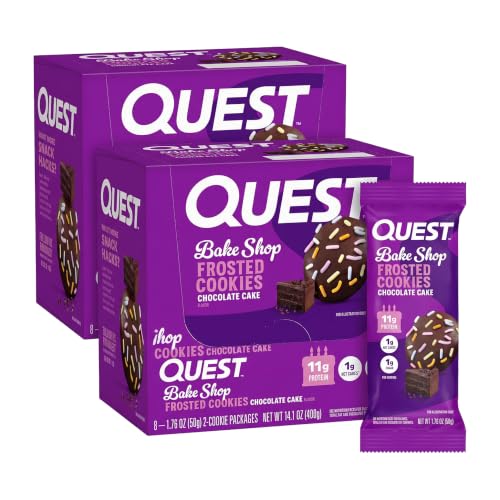
The information below is per-pack only

HACK YOUR SNACK. Quest Crispy Birthday Cake Flavored Bars have sparkle-coated frosting, a wonderfully chewy texture, and the sweet vanilla flavor of birthday cake with 1g of sugar, and 2g of net carbs

Building Cake Into Your Weekly Meal Plan
Once you’ve got the hang of tracking your slice accurately, you’re ready to plan ahead so cake fits smoothly into your week. Building cake into your plan keeps you on track with friends who share your goals.
Plan ahead so cake fits smoothly into your week and keeps you aligned with friends who share your goals.
First, check the real calories per serving, not just the box. That fluffy frosting adds more than you think.
Here’s how you make it work:
- Measure your actual slice, since pictures on boxes show smaller portions than reality
- Count frosting separately, as it often doubles the calories per serving
- Pick one or two cake days weekly, so you balance indulgence with nutrition
- Adjust your other meals slightly on cake days, swapping a snack for your slice
You’re in control, and cake belongs in your life.
When to Choose Cake Over Other Desserts
Why reach for cake when the dessert table holds so many choices? You deserve to feel part of the celebration without guessing your intake. Cake works well when you want something shareable and familiar, but you need to watch those calories per serving closely.
A plain slice might list 160 calories per serving on the box, yet frosting pushes the actual amount to about 535 calories. That gap catches many off guard. You can still pick cake; just scan the frosting thickness and portion size first. Compare your slice to others; you’ll notice iced cakes pile on hidden calories.
For everyday treats, lighter options are the better choice. Save frosted cake for birthdays and gatherings where one mindful slice satisfies your sweet tooth and keeps you connected to the moment.